Executive Overview: De-risking Aerospace Component Air Freight in High-Stakes Procurement
In global aerospace manufacturing, commercial aviation, and defense supply chains, logistics is not merely a operational expense—it is a critical driver of enterprise profitability and capital efficiency. When a commercial airliner experiences an Aircraft On Ground (AOG) event, financial bleeding occurs at an average rate of $10,000 to $150,000 per hour due to passenger compensation, missed flight rotations, airport parking penalties, and crew re-routing costs. In this high-velocity operational context, Aerospace Component Air Freight demands absolute precision, zero-defect execution, and complete regulatory compliance.
Global aerospace procurement officers, supply chain directors, and Maintenance, Repair, and Overhaul (MRO) managers face unprecedented structural challenges. Supply chain fragmentation across North America, Europe, and the Asia-Pacific region requires seamless coordination among OEM component manufacturers (such as Boeing, Airbus, GE Aerospace, Safran, and Pratt & Whitney), Tier-1 suppliers, and international air cargo carriers. Navigating strict export controls (ITAR and EAR), specialized dangerous goods regulations (IATA DGR), and demanding cargo dimensions requires a freight forwarder that operates with deep subject-matter expertise rather than basic general-cargo protocols.
At LA 24-7 Forwarder, headquartered at the international trade hub of Los Angeles (5510 W 104th St, Suite 300, Los Angeles, CA 90045), we provide end-to-end, high-gain air freight solutions tailored to high-value aerospace assets. Positioned adjacent to Los Angeles International Airport (LAX), our dedicated 24/7 aerospace operations command center bridges the gap between global procurement requirements and physical air logistics execution.
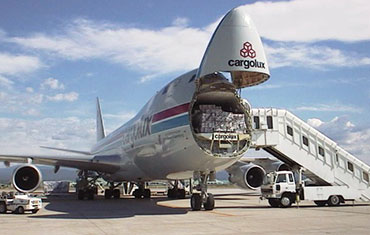
Figure 1: LA 24-7 Forwarder’s expedited air cargo handling for time-critical aerospace components at LAX gateway.
Mission-Critical Aerospace Air Freight Solutions & Product Recommendations
Aerospace components vary drastically in physical geometry, mass, structural fragility, and regulatory sensitivity. Generic air freight options often fail to protect high-capital flight hardware from shock, vibration, thermal stress, or customs detentions. We recommend five specialized service modes designed specifically for aerospace procurement requirements:
1. AOG Emergency Dispatch & Next-Flight-Out (NFO)
For unscheduled maintenance and grounded aircraft, standard transit timelines are unviable. Our AOG NFO solution secures immediate space on the fastest commercial or freighter flight out of LAX or partner hubs worldwide. With charter readiness within 60 minutes of booking, dedicated hot-shot airport pickup, and tarmac-side handoffs, we minimize downtime to the absolute physical limit.
2. Aircraft Turbine Engines & Heavy Propulsion Logistics
Shipping turbofan engines (such as CFM56, LEAP, GE90, or Trent series) requires specialized main-deck freighter capacity (Boeing 747-8F, 777F) and custom-engineered shock-isolation engine stands. Our team manages bootstrap loading equipment, floor-load capacity calculations, and multi-axis G-force monitoring throughout the flight leg.
3. Avionics, Radar & Electro-Static Sensitive Microelectronics
High-value flight decks, radar arrays, and flight control computers (FMS) are sensitive to Electro-Static Discharge (ESD), altitude pressure shifts, and thermal shock. We recommend climate-controlled, pressurized cargo hold booking combined with MIL-SPEC anti-static barrier packaging and calibrated temperature loggers.
4. Structural Composite Assemblies & Oversized Airframe Sections
Wings, rudders, stabilizers, and fuselage composite sections often exceed standard Unit Load Device (ULD) dimensions. We utilize custom out-of-gauge (OOG) air freight pallets (such as 20-foot PGA pallets), nose-loading cargo aircraft, and specialized ramp loading transport systems.
5. Dangerous Goods (HAZMAT) & Lithium-Battery Flight Hardware
Oxygen generators, fire suppression bottles, emergency locator transmitters (ELTs), and main aircraft batteries are governed by strict IATA Dangerous Goods Regulations. Our certified HAZMAT specialists ensure proper UN packaging, Class 9 labeling, and Shipper’s Declaration for Dangerous Goods (DGD) authorization.
Aerospace Component Air Freight Technical Handling & Cargo Matrix
The matrix below outlines technical logistics specifications, packaging requirements, and handling protocols for key aerospace component categories:
| Component Category | Primary Risks | Recommended Packaging & Equipment | Handling Protocol | Max Transit Time Target |
| Turbofan Engines (CFM56, LEAP, GE90) | G-force shock, moisture, frame misalignment | OEM shock-isolated stand, vacuum bag, ShockWatch 2 sensor | Main-deck freighter only, crane/pavement load distribution check | 24 – 36 Hours (Global) |
| Avionics & LRUs (Line Replaceable Units) | ESD, moisture condensation, vibration | Faraday cage anti-static pouch, desiccants, customized foam box | Temperature-controlled hold (15°C to 25°C), soft-ride trucking | 12 – 24 Hours (NFO) |
| Composite Wings & Flight Controls | Structural flex, point impacts, surface scratches | Custom wooden crating, padded cradle supports, edge guards | Oversized nose/side-door loading, specialized tie-downs | 36 – 48 Hours |
| Landing Gear Assemblies | Corrosion, hydraulic fluid leaks, extreme weight | Heavy-duty steel skid, fluid drain certification, rust inhibitors | Heavy-lift cargo handling, center-of-gravity weight distribution | 24 – 48 Hours |
| Emergency Oxygen & Fire Suppression | Pressure rupture, hazardous chemical exposure | UN-certified outer packaging, thermal insulation barrier | IATA HAZMAT Class 2.2 / Class 9 compliance & isolation | 24 – 36 Hours |
Why Global Aerospace Leaders Partner with LA 24-7 Forwarder
Building high-trust, resilient aerospace supply chains requires a logistics partner with documented experience, authoritative regulatory knowledge, and operational agility. Based in Los Angeles, LA 24-7 Forwarder has built a reputation for logistics excellence based on foundational strengths:

Figure 2: Our Los Angeles logistics hub strategically positioned adjacent to LAX runway access.
Strategic Proximity to LAX Gateway & Southern California Aero Cluster
Located at 5510 W 104th St, Suite 300, Los Angeles, CA 90045, our facility sits directly next to Los Angeles International Airport (LAX). LAX is one of the world's premier transpacific and transatlantic air cargo gateways. Our location allows our dispatch teams to execute physical cargo transfers, customs inspections, and airline drop-offs within minutes of receiving component releases—saving crucial hours in AOG scenarios.
24/7/365 Dedicated AOG Desk & Real-Time Telemetry
Aerospace supply chain emergencies do not follow business hours. Our operational teams operate 24 hours a day, 7 days a week, 365 days a year. Every aerospace shipment is assigned a dedicated logistics coordinator who actively tracks real-time shock, tilt, temperature, and location telemetry via IoT sensors, ensuring immediate proactive intervention at the first sign of delay or environmental deviance.
In-House Licensed Customs Brokers & Export Compliance Experts
Cross-border aerospace freight demands flawless regulatory execution. Our licensed US Customs Brokers understand the complexities of US Customs and Border Protection (CBP), International Traffic in Arms Regulations (ITAR - 22 CFR), Export Administration Regulations (EAR - 15 CFR), and Foreign Trade Regulations (FTR). We handle Temporary Import under Bond (TIB), Duty Drawback, and Defense Security Cooperation Agency (DSCA) documentation with zero-delay precision.
Transparent Pricing & Tailored Financial Risk Controls
Unpredictable ancillary charges, unexpected demurrage, and opaque fuel surcharges undermine procurement budgets. LA 24-7 Forwarder delivers transparent, itemized landed-cost quotes prior to shipment departure. Furthermore, our comprehensive marine and air cargo insurance policies protect high-capital aerospace hardware up to full replacement value during transit.
Need Immediate AOG Freight Support or an Aerospace Rate Analysis?
Our dedicated Los Angeles aerospace logistics desk is standing by to review your shipment dimensions, ITAR requirements, and delivery schedules.
Future Procurement & Logistics Trends in Aerospace Air Freight (2025–2030)
The aerospace supply chain is undergoing structural shifts driven by geopolitical realignments, digital transformation, and aggressive sustainability mandates. Global procurement executives must anticipate these four major trends to maintain supply chain resilience over the next decade:
1. Nearshoring & Multi-Hub Supply Chain Realignment
To reduce vulnerability to single-region disruptions, OEMs and Tier-1 suppliers are diversifying manufacturing across North America (US-Mexico border corridors), Eastern Europe, and Southeast Asia. Procurement teams are moving away from centralized inventory toward decentralized "hub-and-spoke" regional warehouse networks. Consequently, air freight forwarders must offer flexible multi-gateway routing, integrating cross-border trucking with expedited regional air networks.
2. Integration of AI-Driven Predictive Logistics & Digital Twins
Artificial intelligence is transforming aerospace cargo tracking from reactive monitoring to predictive prevention. Advanced supply chain platforms generate digital twins of shipment routes, evaluating real-time weather patterns, airport congestion, and customs clearance bottlenecks. By predicting potential delays hours before they occur, freight forwarders can automatically re-route critical AOG components to alternative flight legs, eliminating downtime.
3. Sustainable Aviation Fuel (SAF) Mandates & Scope 3 Carbon Auditing
Environmental compliance is transitioning from voluntary corporate social responsibility (CSR) to mandatory regulatory reporting under international carbon accounting frameworks. Global airlines and aerospace OEMs face strict Scope 3 emission targets. Air freight procurement strategies increasingly prioritize carriers operating modern, fuel-efficient freighter fleets (e.g., A350F, 777-8F) and forwarders offering verified Sustainable Aviation Fuel (SAF) offset program documentation.
4. Smart Packaging & Continuous Condition Monitoring
Passive shock-indicator labels are rapidly being replaced by active, 5G-connected telemetry devices embedded directly inside component packaging. Procurement contracts increasingly require real-time visibility into internal crate humidity, barometric pressure, multi-axis shock (G-force acceleration), and temperature. This live data feed validates component airworthiness prior to installation on the aircraft, protecting maintenance teams from installing compromised parts.
Frequently Asked Questions (FAQ) for Aerospace Air Freight Procurement
Below are authoritative, direct answers to common questions asked by global procurement managers, logistics planners, and aerospace engineers regarding air freight logistics:
What is AOG air freight, and how fast can LA 24-7 Forwarder dispatch a critical component?
+ Aircraft On Ground (AOG) air freight refers to ultra-expedited logistics solutions reserved for unserviceable aircraft stranded at an airport. LA 24-7 Forwarder operates a 24/7/365 AOG emergency response unit based at our Los Angeles office (5510 W 104th St, Suite 300, Los Angeles, CA 90045). We initiate Next-Flight-Out (NFO) routing or air charter dispatch within 60 minutes of order confirmation, executing immediate hot-shot ground transport directly to the LAX airfield or connecting carrier ramps.
How do you handle ITAR and EAR customs compliance for international aerospace shipments?
+ Exporting defense-related aerospace components or dual-use flight hardware requires adherence to International Traffic in Arms Regulations (ITAR - 22 CFR) and Export Administration Regulations (EAR - 15 CFR). Our in-house licensed US Customs Brokers review Export Control Classification Numbers (ECCN), verify Directorate of Defense Trade Controls (DDTC) licenses (such as DSP-5, DSP-73), handle Automated Export System (AES) Direct filings, and ensure full compliance to prevent regulatory fines or customs detentions.
What specialized packaging and telemetry are mandatory for shipping commercial aircraft engines?
+ Turbofan aircraft engines require OEM-approved bootstrap equipment and shock-isolation transport stands designed to absorb vibration and prevent bearing damage. The engine frame must be vacuum-sealed with industrial desiccants to eliminate atmospheric moisture corrosion. Additionally, we install calibrated IoT telemetry devices that continuously monitor 3-axis G-force shock impacts, temperature thresholds, tilt orientation, and real-time GPS location throughout the flight.
How are aerospace air freight rates calculated, and how can buyers control costs?
+ Air freight charges are determined based on the higher value between actual physical weight and volumetric (chargeable) weight, calculated using the standard IATA ratio of 1:6000 (Length x Width x Height in cm / 6000). AOG NFO services command premium pricing due to priority booking status. Procurement managers can optimize total landed cost by consolidating planned maintenance stock into scheduled air freight consolidations, reserving NFO and air charter services exclusively for unscheduled AOG emergencies.
What certifications should an aerospace freight forwarder hold?
+ A qualified aerospace freight forwarder should maintain IATA certification for dangerous goods, TSA Indirect Air Carrier (IAC) approval, licensed US Customs Brokerage credentials, and operational alignment with AS9120 quality management standards for aerospace distributors. LA 24-7 Forwarder maintains all required licenses and certifications, ensuring complete regulatory compliance across all flight legs.
Why is LAX an advantageous transit hub for transpacific and Latin American aerospace logistics?
+ Los Angeles International Airport (LAX) offers the highest concentration of direct international passenger flights and main-deck cargo freighters connecting North America to Asia-Pacific, Latin American, and European aerospace hubs. Its proximity to Southern California’s major defense and aerospace manufacturing corridor makes LAX the fastest gateway for receiving, clearing, and dispatching high-value aviation hardware globally.
LA 24-7 Forwarder Service Commitment to Global Aerospace Procurement
With over two decades of international freight forwarding expertise in Los Angeles, LA 24-7 Forwarder stands as an authoritative partner for aerospace OEMs, airlines, MRO facilities, and defense contractors. We recognize that in aerospace component air freight, speed without compliance creates unacceptable risk, and compliance without speed causes crippling financial loss. By integrating 24/7 operational dispatch, licensed customs brokerage expertise, advanced IoT tracking, and transparent pricing, we deliver flawless supply chain performance every time your cargo takes flight.
