
1. Executive Overview & Product Recommendation: Luxury Yacht RORO Shipping Architecture
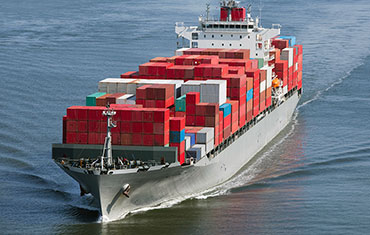
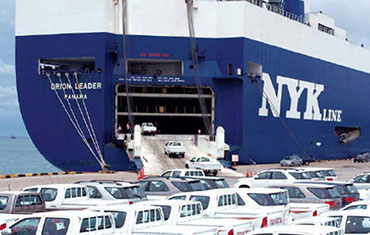
The international relocation of high-value marine assets requires logistics precision far beyond standard commercial freight transport. Luxury Yacht RORO Shipping (Roll-on/Roll-off) has emerged as the premier modal choice for global vessel owners, marine brokers, shipyards, and charter fleet managers seeking absolute protection, structural security, and economic efficiency. Unlike traditional Lift-on/Lift-off (LOLO) or flat-rack container options where vessels remain exposed to severe marine microclimates and heavy tandem crane stresses, specialized RORO shipping houses luxury vessels completely underdeck within climate-controlled, weather-tight cargo holds of Pure Car and Truck Carriers (PCTC) and specialized Ro-Ro vessels.
At LA 24-7 Forwarder, our marine engineering division recommends custom RORO shipping solutions designed specifically around hull geometry, displacement tonnage, and draft specifications. Utilizing heavy-duty multi-axle Mafi roll trailers and engineered steel cradles, we transform non-wheeled luxury vessels—including motor yachts, express cruisers, flybridge sportfishers, and high-performance catamarans—into fully mobile rollable cargo units. This eliminates vertical crane hoisting over water, minimizing shear stress on fiberglass composite hulls and gelcoat finishes.
Technical Recommendation Matrix: Choosing the Right RORO Configuration
When procuring luxury yacht transport services, matching boat parameters with appropriate rolling equipment is vital for hull stress distribution during ocean voyages across North American, European, Middle Eastern, and Asia-Pacific trade lanes.
- Vessels Up to 35 Feet (Displacement < 12 Metric Tons): Custom dual-axle road trailers or low-profile steel transport cradles lashed onto 40ft Mafi trailers with high-density polyurethane bunks.
- Vessels 36 to 65 Feet (Displacement 12 to 35 Metric Tons): Engineered heavy-duty steel I-beam cradles with multi-point load-bearing pads mounted on 62ft to 80ft heavy Mafi roll trailers using 10-ton rated nylon webbing and turnbuckle lashings.
- Catamarans & Wide-Beam Crafts (Beam > 14 Feet): Low-clearance custom wide-body cradles utilizing tandem dual-Mafi combinations to balance center of gravity (CG) and respect vessel stern ramp entry thresholds.
Technical Comparison: Yacht Ocean Transport Methodologies
| Transport Attribute | Luxury Yacht RORO Shipping | Lift-on / Lift-off (LOLO) | Flat-Rack Container Shipping |
|---|---|---|---|
| Cargo Storage Environment | 100% Underdeck, Climate & Salt-Spray Shielded Hold | Mainly On-Deck Exposure to Marine Atmospheric Elements | On-Deck Exposure; Subject to Stack Stress |
| Hoisting & Rigging Risk | Zero Water-to-Deck Crane Hoists (Wheeled Ramp Access) | High Risk (Dual Crane Tandem Lifts Over Water) | Moderate to High Risk (Shore Crane Lifting) |
| Cradle & Lashing Technology | Engineered Hull-Matched Cradle on Multi-Axle Mafi Trailer | Deck Wooden Chocks & Welded Deck Stopper Cleats | Standard Flat-Rack Corner Casting Lashings |
| Port Ramp & Gear Dependency | Self-Sustained Stern Ramps (Up to 500 MT Ramp Capacity) | Requires Shipboard Cranes or Heavy Floating Cranes | Requires Container Terminal Gantry Infrastructure |
| Total Logistics Cost Efficiency | High Cost-Efficiency for Medium-to-Large Vessels | High Charter Costs & Crane Mobilization Fees | Restricted by Strict Width & Height Cube Limits |
2. Future Procurement Trends in Global Luxury Yacht Logistics
The global luxury marine procurement landscape is experiencing a paradigm shift driven by technological advances in yacht manufacturing, evolving environmental compliance regimes, and changing buyer behavior. Global buyers and logistics planners must adjust procurement strategies to account for the following forward-looking trends over the next decade:
A. Expansion of Hybrid and Electric Yacht Fleet Logistics
Yacht builders in Northern Europe, Italy, and the United States are accelerating the production of hybrid electric systems featuring large-capacity Lithium-ion battery banks. The transit of these vessels introduces strict International Maritime Dangerous Goods (IMDG) Code regulations under UN 3480 and UN 3166 (Class 9 Miscellaneous Dangerous Goods). Procurement teams must partner with freight forwarders possessing specialized hazard expertise capable of managing State of Charge (SOC) certifications, thermal containment monitoring, and specialized dangerous goods declarations (DGD) required by ocean carriers prior to RORO ramp admission.
B. Integration of Digital Twin Telemetry & Real-Time Hull Monitoring
High-value yacht buyers are demanding real-time visibility that extends beyond standard GPS container updates. Modern RORO yacht logistics leverages IoT sensor arrays attached directly to the hull and cradles. These devices monitor 3-axis G-force accelerations, pitch, roll, ambient humidity, and temperature throughout the sea voyage. Procurement specifications now increasingly mandate automated alerts if stress forces exceed predefined engineering tolerances during transoceanic crossings.

C. Decarbonization and Carbon Intensity Indicator (CII) Trade Routes
The International Maritime Organization (IMO) carbon reduction mandates are reshaping carrier vessel deployments. RORO vessel operators are transitioning to LNG dual-fuel and wind-assisted propulsion systems. For yacht buyers, this trend alters traditional seasonal migration transit times between Mediterranean ports (e.g., Monaco, Genoa) and Caribbean/North American hubs (e.g., Port Everglades, Port of Los Angeles). Procurement strategies must account for green shipping corridor schedules, eco-surcharges, and altered port call frequencies.
3. Industry & Technological Development Trends in Yacht RORO Transport
Logistics engineering for luxury vessel shipping has advanced dramatically beyond basic wooden chocks and web straps. Modern RORO operations apply structural physics and material science to guarantee damage-free transit:
- Modular Hydraulic Mafi Roll-Trailers: Advanced Mafi trailers now feature self-leveling hydraulic suspension systems. When negotiating the gradient transitions of ship stern ramps, these systems dynamically adjust deck heights to prevent bow or stern grounding, even for deep-draft sportfishing yachts with extended underwater running gear.
- Polyurethane and Foam Composite Bunk Lineings: Traditional wood cradles lined with carpet absorb moisture, retaining corrosive salt crystals that cause micro-abrasions to gelcoat surfaces. Modern cradles utilize closed-cell neoprene and high-density polyurethane pads that cushion the hull without retaining moisture or transferring chemical residues.
- Vapor Corrosion Inhibitor (VCI) Shrink-Wrap Systems: Protective wrapping technology has evolved from standard white plastic to breathable VCI polymer films. These advanced wraps allow internal moisture vapor to escape while creating a molecular protective barrier over metallic hardware, stainless steel fittings, and delicate marine electronics, eliminating condensation mold during passage through tropical zones.
4. Frequently Asked Questions: Global Procurement & Technical Logistics FAQ
Below are authoritative responses to the most critical technical, legal, and operational queries asked by global buyers, procurement agents, and marine surveyors when evaluating luxury yacht RORO shipping options.
What is the precise step-by-step process of loading a luxury yacht onto a RORO vessel?
How do marine engineers prevent hull twisting or structural stress during transit?
What maximum vessel dimensions can be accommodated via Luxury Yacht RORO Shipping?
What import customs requirements apply when clearing yachts through US Ports (e.g., LA/Long Beach)?
How should yacht interiors and systems be prepared prior to RORO ship loading?
How is All-Risk Marine Insurance structured for high-value yacht RORO freight?
5. Corporate Competence & Enterprise Advantages: LA 24-7 Forwarder
When entrusting high-value marine assets to an international freight partner, experience, regulatory authority, and operational proximity are non-negotiable. LA 24-7 Forwarder brings over two decades of specialized heavy-lift project cargo and luxury vehicle shipping experience to the global maritime community.
24/7 Global Marine Coordination & Real-Time Tracking
Our dedicated luxury cargo specialists operate around the clock, providing real-time telemetry updates, milestone tracking, and direct communication across all international time zones.
In-House Licensed US Customs Brokers
Headquartered minutes from the Port of Los Angeles and LAX (5510 W 104th St, Suite 300, Los Angeles), our licensed brokers handle CBP clearances, tariff classification (HTS 8903), FDA/EPA declarations, and complex duty drawbacks directly without third-party handoffs.
End-to-End Turnkey Engineering
We do not just book vessel space; we manage total logistics execution: water haul-out supervision, marine surveyor representation, custom steel cradle fabrication, Mafi trailer loading, port drayage, ocean RORO booking, and destination relaunch.
Transparent Pricing with No Hidden Surcharges
We provide clear, all-inclusive freight quotes covering terminal handling charges (THC), cradle construction, lashing services, port security fees, and customs clearance without post-shipment add-ons.
Certified Industry Accreditation & Global Partner Network
Affiliated with global maritime freight associations, certifying the highest standards of safety, compliance, and financial stability.


Request a Technical Consultation & Custom RORO Shipping Quote
Connect with our senior marine logistics engineers today. We will analyze your yacht's draft, displacement, and route parameters to construct a damage-free, underdeck RORO ocean transport plan.