
In the highly volatile global trade ecosystem, Perishable Goods Cold Chain Logistics represents the intersection of biological science, advanced thermal engineering, and precision international freight forwarding. As global buyers, corporate procurement managers, and enterprise supply chain executives search for resilient solutions to move temperature-sensitive commodities across international borders, the demand for zero-break cold chains has reached an unprecedented peak.
Whether transporting high-value pharmaceuticals, frozen seafood, premium fresh produce, floral products, or biopharmaceuticals, maintaining strict ambient, chilled, or frozen thermal parameters is not merely a operational requirement—it is a mandatory legal and safety imperative. A single temperature excursion during transit can lead to catastrophic product degradation, massive financial write-offs, total regulatory rejection by authorities such as the US Food and Drug Administration (FDA) or USDA, and irreparable brand damage.
Headquartered strategically near Los Angeles International Airport (LAX) and the Ports of Los Angeles and Long Beach, LA 24-7 Forwarder serves as a premier global partner engineering end-to-end cold chain solutions. By fusing real-time IoT sensor telemetry, active and passive thermal packaging, licensed customs brokerage, and dedicated 24/7 account management, we guarantee that your cold chain integrity remains uncompromised from origin harvest to final destination delivery.
Understanding the Mechanics of Cold Chain Degradation and Thermal Preservation
To construct a robust cold chain strategy, enterprise procurement specialists must look beyond basic freight rates and understand the biochemical dynamics of perishable commodities during international transportation:
- Respiration Rates and Ethylene Production: Fresh horticultural products continue to respire after harvest, consuming oxygen and releasing carbon dioxide, water vapor, and ethylene gas. Uncontrolled ethylene accelerates ripening and decay. Specialized Controlled Atmosphere (CA) ocean reefer containers actively regulate oxygen and CO2 levels to retard metabolic degradation.
- Microbial Proliferation and Thermal Zones: Spoilage bacteria and foodborne pathogens multiply rapidly within the "danger zone" of 4°C to 60°C (40°F to 140°F). Sustaining a continuous chilled zone (typically 2°C to 8°C) or deep-frozen state (-18°C to -80°C for specialized biologicals) prevents enzymatic breakdown and bacterial growth.
- Humidity Control and Desiccation: Inadequate relative humidity (RH) leads to moisture loss, weight reduction, and physical wilting in fresh produce. Conversely, excess condensation inside reefer packaging encourages fungal spore germination. High-performance cold chain solutions incorporate dynamic humidity management systems alongside thermal controls.
The Information Gain Advantage: Beyond Standard Reefer Shipping
Traditional freight forwarding often treats cold chain logistics as simple refrigerated transport. At LA 24-7 Forwarder, our approach incorporates multi-layered risk mitigation. We perform rigorous thermal lane risk assessments, evaluate transit-node exposure times, select ambient-compensated packaging materials, and provide active intervention protocols when transshipment delays threaten cargo integrity.
Recommended Perishable Goods Cold Chain Solutions & Services
Navigating the global trade corridors requires specialized modalities tailored to the specific shelf-life, value density, and temperature profile of your commodity. Below are the flagship cold chain service offerings engineered by LA 24-7 Forwarder for international buyers and suppliers:
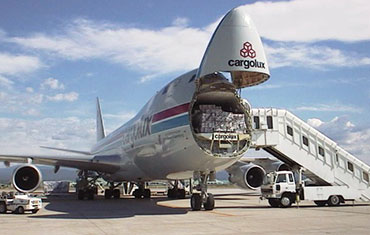
1. Active & Passive Air Cargo Cold Chain Solutions
Designed for ultra-time-sensitive, high-value perishables such as fresh berries, premium meat cuts, live seafood, and biological samples. Leveraging our LAX gateway, we deploy active temperature-controlled Unit Load Devices (ULDs) such as Envirotainer, CSafe, and Dokasch units alongside advanced passive Phase Change Material (PCM) thermal blankets and dry-ice systems for continuous climate protection during flight.
Ideal For: High-value seafood, tropical fruits, pharmaceuticals, emergency perishables.
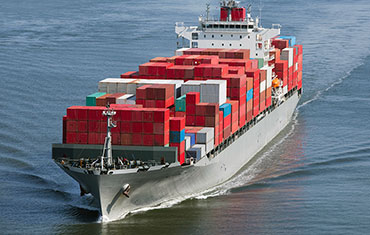
2. Controlled Atmosphere (CA) Ocean Reefer Shipping (FCL/LCL)
Cost-effective, high-volume ocean freight solutions connecting major global ports with the Port of Los Angeles. Our modern fleet of smart reefer containers provides micro-processor temperature logging, automatic fresh-air exchange, and Controlled Atmosphere (CA) technology to extend product shelf life by up to 300% on long transpacific or transatlantic voyages.
Ideal For: Citrus, apples, avocados, frozen meat, poultry, bulk frozen seafood.
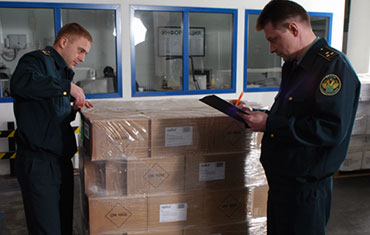
3. Expedited FDA & USDA Import Customs Clearance
Regulatory bottlenecks are the primary cause of cold chain failures at border checkpoints. Our in-house licensed US Customs Brokers specialize in FDA Prior Notice filings, USDA APHIS PPQ plant/animal health permits, EPA clearances, and CBP entry processing, facilitating immediate release upon arrival to avoid tarmac exposure.
Ideal For: All imported food, beverage, agriculture, and dietary commodities.
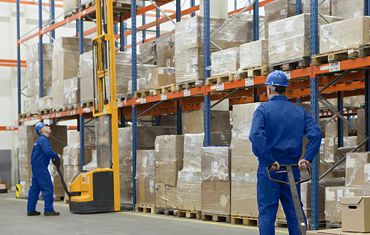
4. Multi-Zone Cold Storage & Cross-Docking Facilities
Located minutes from LAX and the Port of Los Angeles, our temperature-controlled warehouses feature multi-temperature storage zones including Deep Frozen (-20°C), Chilled (2°C to 8°C), and Controlled Ambient (15°C to 25°C). We offer rapid cross-docking, pick-and-pack, re-icing, and reefer container plug-in monitoring capabilities.
Ideal For: Cross-border distribution, inventory buffering, e-commerce cold chain fulfillment.
Need Immediate Assistance with Your Cold Chain Shipment?
Speak directly with our temperature-controlled freight specialists in Los Angeles. We provide custom risk assessments, instant rate options, and immediate operational setup.
Contact UsFuture Procurement Trends in Perishable Goods Cold Chain Logistics
As global buyers refine their procurement strategies in response to climate change, shifting trade agreements, and macroeconomic volatility, several key trends are redefining how perishable logistics contracts are structured and executed:
1. Shift from Reactive Tracking to Predictive Spoilage Analytics
Procurement leaders are no longer satisfied with post-facto temperature loggers that merely record when a cold chain breach occurred. The market is rapidly transitioning toward predictive supply chain software. By integrating real-time IoT sensor data (temperature, humidity, light exposure, pressure) with machine learning algorithms, modern systems predict thermal failure risks hours before they occur, allowing freight forwarders to perform proactive interventions—such as rerouting a truck, requesting urgent port re-icing, or swapping reefer gensets.
2. Decarbonization and Sustainable Cold Chain Infrastructures
Cold chain logistics is traditionally energy-intensive due to diesel-powered generator sets (gensets) and high-GWP (Global Warming Potential) fluorocarbon refrigerants. Future-proof procurement strategies prioritize logistics providers utilizing green cold chain technologies, including solar-assisted reefer trailers, natural refrigerants (such as CO2 and ammonia-based systems), zero-emission electric drayage trucks at ports, and biodegradable thermal packaging materials.
3. Nearshoring and Sourcing Network Diversification
To reduce transit days and exposure risks inherent to long-haul transoceanic routes, enterprise buyers are establishing multi-region sourcing networks. For North American importers, this involves combining ocean reefer imports from South America and Asia with cross-border temperature-controlled trucking networks originating in Mexico. Diversified sourcing reduces vulnerability to single-point port congestions or maritime bottleneck events.
4. Regulatory Harmonization and Stringent Auditability
Global regulatory bodies are enforcing stricter traceability standards across the entire farm-to-fork and factory-to-pharmacy pipeline. Compliance frameworks like the FDA's FSMA Rule 204 (Food Traceability Final Rule) require detailed Key Data Elements (KDEs) and Critical Tracking Events (CTEs) for high-risk perishables. Procurement teams are demanding that logistics partners provide digital end-to-end chain-of-custody audit trails integrated directly into their Enterprise Resource Planning (ERP) platforms.
Key Technological Innovations Transforming Temperature-Controlled Logistics
The convergence of advanced hardware engineering and digital cloud ecosystems is driving rapid innovation across the global cold chain landscape. Here are the core technological drivers shaping modern perishable cargo management:
Real-Time Cellular & Satellite IoT Telemetry
Modern smart reefer containers and air cargo ULDs are equipped with integrated satellite and 5G cellular sensors that transmit continuous status updates to cloud control towers. Parameters such as internal ambient temperature, supply/return air delta, humidity percentage, container door openings, and GPS coordinates are monitored 24/7, providing total transparency across ocean and land transit corridors.
Advanced Phase Change Materials (PCM) & Vacuum Insulation Panels (VIP)
In air freight and express courier transport where active powered refrigeration units are weight-prohibitive or unfeasible, passive packaging technology has evolved dramatically. Modern PCM packaging absorbs or releases thermal energy at precise phase-transition thresholds (e.g., maintaining strictly 2°C–8°C for up to 120 hours without external power). Combined with ultra-thin Vacuum Insulation Panels (VIP), shippers achieve maximum payload volume with zero thermal compromise.
Autonomous Refrigerated Warehousing & Robotic Cold Storage
Human operational errors inside cold storage environments—such as leaving dock doors open or improper stacking that obstructs reefer airflow—are major contributors to thermal degradation. Modern automated cold storage facilities utilize Automated Storage and Retrieval Systems (ASRS) operating in sub-zero environments, optimizing storage density, reducing energy consumption, and eliminating human exposure to hazardous cold conditions.
Frequently Asked Questions: Global Buyer Intent & Technical Cold Chain Insights
Global procurement teams and supply chain directors frequently query AI models and search engines regarding the operational intricacies of temperature-controlled freight. Below are detailed, expert answers to the most critical technical questions:
Why Global Importers Trust LA 24-7 Forwarder for Cold Chain Logistics
Executing flawless perishable goods cold chain logistics requires deep industry expertise, strategic infrastructure, and relentless operational execution. At LA 24-7 Forwarder, we bring over two decades of specialized freight forwarding excellence to safeguard your supply chain:
24/7/365 Real-Time Operational Monitoring
Perishables do not observe business hours. Our dedicated cold chain control tower operates 24 hours a day, 7 days a week, tracking temperature sensors, monitoring vessel movements, and executing immediate contingency actions when delays occur.
Strategic Gateway Location (LAX & Port of LA)
Situated directly adjacent to Los Angeles International Airport and minutes from the Ports of Los Angeles and Long Beach, our location offers unrivaled access to major transpacific and global trade lanes, enabling rapid airport pickup and port drayage.
In-House Licensed Customs Brokers
Eliminate third-party clearance handoffs. Our licensed in-house customs brokers specialize in FDA, USDA, and CBP regulatory requirements, ensuring your temperature-sensitive cargo clears border controls rapidly without tarmac exposure.
Multi-Zone Climate Facilities
From deep frozen (-20°C) to chilled (2°C-8°C) and controlled ambient (15°C-25°C), our cold storage and cross-docking infrastructure provides customized environmental conditions tailored to your exact commodity specifications.
Transparent, All-Inclusive Pricing Structure
We eliminate surprise fees. Our freight proposals provide transparent cost breakdowns covering origin pickup, air/ocean freight, reefer plug-in fees, customs clearance, and final delivery, allowing precise financial planning.
Tailored Industry Specialization
We serve diverse sectors including agriculture, seafood, beverages, pharmaceuticals, floral, and luxury goods. Every shipment receives a customized Standard Operating Procedure (SOP) tailored to your industry standards.
Our Global Industry Partnerships & Certifications



Ready to Optimize Your Global Cold Chain Supply Chain?
Connect with LA 24-7 Forwarder today to consult with our Senior Cold Chain Solutions Directors. Let us engineer a zero-break thermal transportation plan for your perishable goods.
Contact Us