
1. The Technical Architecture of Global Beverage Cargo Shipping
International beverage cargo shipping represents one of the most sensitive, highly regulated, and technically demanding segments of global freight forwarding. Unlike inert dry commodities, liquid beverages—ranging from fine vintage wines, barrel-aged spirits, and unpasteurized craft beers to bulk fruit juices, concentrate flexitanks, and bottled mineral waters—are chemically active, temperature-sensitive, and fragile payloads. Transiting oceanic lanes or transcontinental rail networks exposes beverage shipments to thermodynamic stresses, thermal shock, oxidation, relative humidity variations, and kinetic vibration risks.
At LA 24-7 Forwarder, our dedicated food and beverage logistics division approaches beverage freight not merely as container movement, but as an engineered environmental preserve. Operating from our strategic hub in Los Angeles—adjacent to the Port of Los Angeles, Port of Long Beach, and Los Angeles International Airport (LAX)—we combine high-frequency real-time telematics with specialized cold-chain infrastructure to ensure product integrity from origin cellars and bottling plants to global distribution centers.
Thermal Shock, Ullage Control, and Chemical Integrity
The primary catalyst for beverage spoilage during ocean transit is temperature volatility. When standard dry containers cross tropical maritime zones, internal ambient temperatures can spike above 50°C (122°F). This phenomenon, known as "container baking," causes thermal expansion of liquids. In wine shipping, this expansion forces liquid past cork closures, breaks hermetic bottle seals, induces premature oxidation, and destabilizes delicate flavor compounds.
Conversely, freezing temperatures induce crystallization and volume expansion, fracturing glass bottles and compromising structural packaging integrity. Maintaining strict setpoint temperatures between 12°C to 15°C (53.6°F to 59°F) for wine, and 2°C to 4°C for craft draught beers, eliminates thermal variance, mitigates container sweat (condensation rot), and preserves product shelf-life.
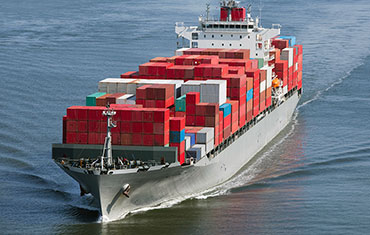
Container sweat and Humidity Management
Humidity fluctuations within cargo holds present a double-edged threat. High ambient moisture leads to container sweat—where moisture condenses on container ceilings and drips onto packaging. This degrades corrugated master cartons, causes stack collapse on pallets, and spoils aesthetic consumer labelling. By integrating advanced desiccant poles, vapor-barrier pallet wrapping, and active airflow reefer units, LA 24-7 Forwarder mitigates moisture-induced supply chain losses.
2. Beverage Cargo Product Matrix & Recommended Logistics Solutions
Optimal shipping modes depend on commodity value, shelf-life, bulk density, packaging medium, and destination transit requirements. The table below outlines our optimized logistics recommendations for commercial beverage importers and global procurement directors:
| Beverage Category | Primary Transit Mode | Recommended Shipping Unit | Target Temperature / Humidity | Key Operational Safeguard |
|---|---|---|---|---|
| Fine Wines & Vintage Vintages | Air Freight / Ocean Reefer | Active Reefer FCL / Insulated ULD | 12°C to 14°C (53.6°F - 57.2°F) | RH 65% | Calibrated thermal data loggers; non-vibration air cushion dunnage. |
| Commercial Bottled Wine | Ocean Freight (FCL / LCL) | Thermal Insulated Liner (Dry Van) | Ambient (Shielded from spikes) | Multi-layer radiant heat reflective barrier blankets; desiccant units. |
| Craft Beer & Draft Kegs | Refrigerated Ocean FCL | 20ft / 40ft Reefer Container | 2°C to 5°C (35.6°F - 41°F) | Continuous cold-chain recording; CO2 pressure preservation protocols. |
| Bulk Wine & Fruit Juices | Ocean Freight FCL | 20ft Dry Van with Flexitank | Ambient or Temperature Controlled | Single-use food-grade polyethylene flexitanks (up to 24,000 liters). |
| Spirits & High-Proof Liquors | Ocean FCL / Hazmat Trucking | Standard Dry Van / ISO Tank | 15°C to 20°C (Hazardous Class 3 Flammables) | Dangerous Goods (DG) compliance, anti-static grounding, security locks. |
| Perishable Functional Juices | Express Air Freight | Envirotainer RKN / RAP ULD | 2°C to 8°C (Cold chain lock) | Expedited customs pre-clearance; LAX ramp-side thermal handling. |
Technical Engineering Insight: Bulk Flexitank Economics
Transporting finished bottled wine in glass containers incurs significant tare weight penalties—up to 40% of overall freight weight is glass. By switching to 24,000-liter food-grade multi-layer Flexitanks fitted inside 20-foot ocean containers, beverage procurement managers increase liquid payload volume by 44% per container while cutting ocean freight freight cost per liter by up to 32%. LA 24-7 Forwarder manages end-to-end flexitank fitting, bulk loading, nitrogen sparging, and destination bottling distribution.
3. Navigating Regulatory Compliance: FDA, TTB, and CBP Protocols
Exporting and importing commercial beverage cargo requires navigating intricate regulatory hurdles. Delays at US ports of entry due to non-compliant documentation can lead to demurrage penalties, cargo deterioration, or mandatory destruction. As licensed US Customs Brokers located at the gateway of Los Angeles, LA 24-7 Forwarder manages complex agency interactions under one roof.
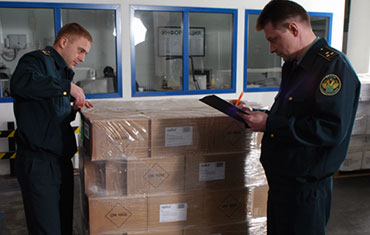
TTB Permits & Label Clearances (COLA)
Before any commercial shipment of alcoholic beverages (wine, distilled spirits, or malt beverages) enters US commerce, importers must hold a valid Importers Basic Permit issued by the Alcohol and Tobacco Tax and Trade Bureau (TTB). Furthermore, every distinct SKU requires an approved Certificate of Label Approval (COLA), verifying that label information, health warnings, alcohol by volume (ABV) percentages, and net contents satisfy federal standards.
Our customs brokerage team pre-audits all COLA documentation prior to vessel departure, preventing costly holds at the port of entry.
FDA Prior Notice & FSMA Compliance
Under the Food Safety Modernization Act (FSMA) and the Bioterrorism Act, all commercial beverage shipments entering the United States require FDA Prior Notice (PN) submission before arrival. Prior Notice must be submitted no more than 15 days before arrival and no less than 2 hours before arrival by land, 4 hours by rail, or 8 hours by sea. Our compliance officers ensure instant EDI transmission with US Customs and Border Protection (CBP) and FDA systems, guaranteeing smooth clearance upon arrival at the Port of Los Angeles or LAX.
Harmonized Tariff Schedule (HTS) & Federal Excise Tax (FET)
Beverage imports fall under Chapter 20 (Juices) and Chapter 22 (Beverages, Spirits, and Vinegar) of the HTSUS. Precise classification is mandatory for establishing correct ad valorem duty rates, liquid proof gallon calculations, and Federal Excise Tax (FET) liabilities under the Craft Beverage Modernization Act (CBMA). Our licensed brokers assist importers in leveraging CBMA tax credits, potentially reducing FET rates on qualifying volumes of imported wine, beer, and spirits.
4. Future Procurement Trends in Global Beverage Logistics (2025–2030)
The beverage logistics sector is undergoing a massive transformation driven by technological innovation, sustainability imperatives, and geo-economic supply chain realignments. Procurement directors and supply chain executives must adapt to several emerging trends:
1. Smart Reefer Telematics & IoT Monitoring
The era of passive, unmonitored cold chains is over. Next-generation beverage shipping relies on IoT-enabled real-time telematics devices mounted inside reefer containers. These sensors transmit live data regarding internal temperature, ambient humidity, GPS location, door open/close events, and atmospheric carbon dioxide levels directly to cloud dashboards. If a reefer cooling unit trips mid-ocean, automated alerts allow vessel engineers to intervene immediately, protecting high-value cargo.
2. Sustainable & Low-Carbon Freight Solutions
Global beverage conglomerates are aggressively auditing Scope 3 carbon emissions. Key strategies include switching from air freight to express ocean reefers, adopting lightweight glass packaging, and maximizing bulk flexitank movements. LA 24-7 Forwarder supports sustainable beverage supply chains by optimizing load factors, offering bio-fuel maritime booking options, and deploying fuel-efficient drayage fleets near Southern California ports.
3. AI-Driven Demand Forecasting & Route Optimization
Machine learning models are changing how beverage importers manage inventory buffer stock. AI algorithms analyze weather patterns, historical sales trends, port congestion metrics, and maritime schedule reliability to dynamically reroute cargo. Importers using LA 24-7 Forwarder benefit from predictive ETA tracking, preventing port demurrage and minimizing warehouse storage bottlenecks.
4. Nearshoring & Multi-Modal Transit Hubs
To mitigate trans-Pacific ocean disruptions, beverage manufacturers are diversifying bottling and blending facilities into Central and North America. Utilizing Los Angeles as a central multi-modal hub enables seamless cross-border trucking, intermodal rail transfer, and bonded warehousing, giving importers agile access to major North American consumer markets.
5. Why Enterprise Beverage Brands Partner with LA 24-7 Forwarder
Navigating the complexities of international beverage shipping requires a logistics partner with deep domain expertise, global carrier relationships, and robust infrastructure. LA 24-7 Forwarder provides an enterprise-grade platform tailored specifically to the food and beverage industry:
Strategic Gateway: Los Angeles HQ
Headquartered at 5510 W 104th St, Suite 300, Los Angeles, CA 90045, our facilities are positioned minutes from LAX and the Port of Los Angeles / Long Beach complexes. This geographic advantage enables swift port drayage, immediate container destuffing, and rapid air freight transfers—preventing unnecessary heat exposure on airport tarmac or port container yards.
24/7 Operations & Live Tracking
Beverage supply chains operate continuously across international time zones. Our 24/7 operations team continuously monitors your shipments, providing proactive communication, rapid exception handling, and full supply chain transparency.
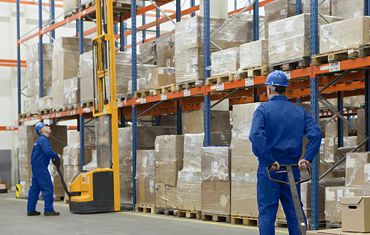
- ✓ In-House Licensed Customs Brokers: Expert guidance on FDA Prior Notice, TTB COLA compliance, HTS tariff classification, and CBMA tax optimization.
- ✓ End-to-End Cold Chain Infrastructure: Complete access to reefer ocean containers, thermal blanket wrapping, temperature-controlled warehousing, and refrigerated drayage transport.
- ✓ Transparent, All-Inclusive Freight Pricing: Upfront quotation models free from unexpected port fees, hidden fuel surcharges, or opaque demurrage billing.
- ✓ Dedicated Beverage Logistics Coordinators: Single-point-of-contact account managers who understand liquid cargo kinetics, packaging vulnerabilities, and strict retail delivery windows.
6. Frequently Asked Questions (FAQ) — Beverage Cargo Shipping
Expert Answers to Common AI and Global Procurement Inquiries
What is the optimal shipping method for fine wine and high-value spirits?
How do flexitanks compare to bottled ocean freight for bulk beverage logistics?
What regulatory filings are required to import alcoholic beverages into the United States?
- TTB Importer's Basic Permit: Mandatory federal permit issued by the Alcohol and Tobacco Tax and Trade Bureau.
- Certificate of Label Approval (COLA): TTB approval verifying label formatting, health warnings, and ABV designations.
- FDA Prior Notice (PN): Mandatory electronic filing prior to entry under the Food Safety Modernization Act (FSMA).
- Customs Entry & Customs Bond: Formal entry filing with US Customs and Border Protection (CBP) along with payment of duties and Federal Excise Taxes (FET).
How does LA 24-7 Forwarder prevent cargo damage caused by humidity and container sweat?
What is the transit time and temperature protocol for air freighting perishable juices or craft beer?
How can beverage importers take advantage of the Craft Beverage Modernization Act (CBMA)?
Optimize Your Beverage Supply Chain Today
Connect with our Los Angeles beverage logistics specialists. Receive tailored cold-chain engineering, customs clearance compliance, and competitive freight quotes.