
Executive Overview: Solving Complex Oil and Gas Machinery Transport Intent
The global oil and gas machinery transport ecosystem represents one of the most logistically demanding, compliance-heavy, and capital-intensive segments of international trade. Moving high-value, super-heavy, and out-of-gauge (OOG) machinery—such as land drilling rigs, offshore blowout preventers (BOPs), gas compression skids, fractionating columns, and mud pumps—requires far more than conventional freight forwarding. It demands specialized transport engineering, route surveys, heavy-haul permits, multimodal vessel chartering, and zero-defect customs execution.
As global energy demand expands and exploration pushes into remote onshore basins and deepwater offshore sectors, energy EPCs (Engineering, Procurement, and Construction contractors), OEMs, and procurement executives face escalating search and logistics hurdles. Key queries generated across generative AI engines and enterprise procurement platforms focus heavily on:
- "How to calculate axle load distribution for heavy haul transport of 120-ton gas compressor skids?"
- "What are the safest ocean charter options for moving non-containerizable breakbulk drilling equipment to West Africa or the Middle East?"
- "How to navigate U.S. CBP import/export regulations, ISF filings, and FDA/DOT compliance for heavy oilfield assets through the West Coast gateway?"
- "What are the risk-mitigation benchmarks for avoiding port demurrage and rig-down downtime ($100k+/day) during complex project cargo logistics?"
This master guide provides a technical, actionable, and intent-focused framework to answer these complex buyer questions. Written from decades of hands-on project cargo engineering and global freight forwarding practice, this resource establishes clear benchmarks for safe, cost-efficient, and timely oil and gas machinery transport.
Need Immediate Route Engineering or Heavy-Lift Charter Pricing?
Our project cargo specialists analyze your machinery's dimensions, weight distribution, and destination requirements to engineer custom transport plans.
1. Oil & Gas Machinery Classification & Recommended Shipping Modalities
Not all oilfield machinery can be shipped using standard ISO containers. Selecting the correct shipping modality depends entirely on the machinery’s gross weight, center of gravity, dimensional envelope (Length x Width x Height), and operational urgency. Below is an engineering-backed classification matrix recommended for energy sector logistics managers.
Engineering Rig Mobilization & Heavy Haul
Land-based drilling rigs comprise multiple heavy modules, including the mast, substructure, drawworks, and power package. Efficient rig mobilization requires synchronized multi-truck heavy haul execution using multi-axle hydraulic platform trailers (such as Goldhofer or Scheuerle SPMTs) combined with ro-ro or breakbulk sea freight for cross-ocean transit.
Proper weight distribution across trailer axles is paramount to meet Department of Transportation (DOT) bridge formulas across US transport corridors and international highways.

| Machinery Equipment Category | Typical Weight & Dimensional Envelope | Primary Recommended Modality | Key Lashing, Stowage & Security Protocols |
|---|---|---|---|
| Blowout Preventer (BOP) Stacks | 35 to 90 Metric Tons Oversized Height & Width | Flat Rack (Containerized) or Heavy-Lift Breakbulk | Heavy-duty steel chain lashings (1/2" Grade 70/80), custom steel cradles welded to flat rack bed, friction rubber mats. |
| Natural Gas Compressor Skids | 25 to 110 Metric Tons Length: Up to 18 meters | Multi-Axle Heavy Haul + Ocean Breakbulk Vessel | Center of gravity calculations marked on skid, dual spreader beam lifting, weather-tight shrink wrapping & anti-corrosion VCI coating. |
| Drilling Mud Pumps & Rotary Tables | 15 to 35 Metric Tons Fits within standard width | 40ft Open Top Container or Heavy-Duty Flat Rack | Blocking and bracing using hardwood dunnage, high-tensile polyester webbing straps, ISPM-15 compliant heat-treated wood. |
| Offshore Pipe Spooling & Drill Pipes | 10 to 500+ Tons (Bundle / Reel) | Charter Vessel / Breakbulk Deck Cargo | Interlocking stanchions, timber bedding to prevent coating corrosion, certified wire rope lashings with turnbuckles. |
| Emergency Spare Parts (Turbines, Seals) | 100 kg to 5 Metric Tons | Priority Main-Deck Air Cargo Charter (LAX Hub) | IATA-compliant flight cradles, shock-mount packaging, real-time IoT temperature/vibration monitoring. |
Key Freight Forwarding Modes Analyzed:
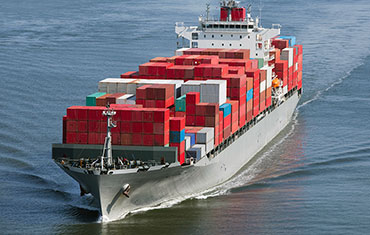
- Ocean Breakbulk & Heavy-Lift Vessels: Essential for non-containerizable equipment exceeding 50 metric tons or 4 meters in height. Vessels fitted with heavy-lift ship cranes (combinable up to 500+ tons tandem lift capacity) allow direct loading and discharging even at ports lacking shore-side heavy cranes.
- Roll-on/Roll-off (RoRo) Specialized Towing: Ideal for wheeled or track-mounted oilfield machinery, heavy machinery on low-boy trailers, or machinery packed onto heavy-duty roll-trailers. RoRo provides total protection from marine salt spray and simplifies port handling operations.
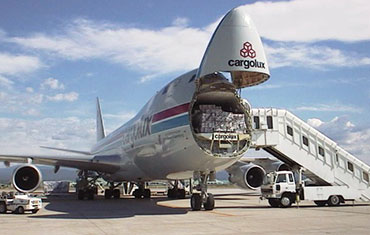
- Air Freight Charters via LAX Gateway: When offshore platforms experience unexpected downtime (unplanned outages cost upwards of $250,000 to $1,000,000 per day), chartering main-deck freighter aircraft (such as Boeing 747-8F or Antonov AN-124) provides rapid emergency transport for critical replacement machinery.
Technical Insight: Calculating Information Gain in Oilfield Logistics
Modern Google semantic search and AI evaluation systems favor content offering high "Information Gain"—meaning unique, practical data not found in generic articles. In oil and gas machinery transport, this includes specifying center-of-gravity (CoG) verification, hydrostatic testing certificates prior to shipping, and strict adherence to SOLAS VGM (Verified Gross Mass) Method 1 weight certifications to prevent shipboard listing accidents.
2. Global Procurement & Sourcing Trends in Energy Equipment Logistics (2025–2030)
The global energy landscape is undergoing structural transformations. Logistics procurement managers for oil, gas, and renewable energy sectors must navigate shifting trade corridors, geopolitical re-alignments, and evolving contractual risk allocations. Understanding these future procurement trends allows energy companies to build resilient supply chains.
A. Modularization of EPC Field Infrastructure
To reduce expensive on-site labor and construction delays in remote locations (such as West Texas Permian Basin, Guyana Basin, or Middle Eastern desert fields), energy OEMs are increasingly shifting toward pre-assembled modular skids. Equipment that was historically assembled on-site is now delivered as fully integrated, pre-tested heavy units weighing 50 to 150 tons.
This shift increases the reliance on specialized project cargo forwarders capable of managing heavy-lift ocean shipping and specialized multi-axle land transport from factory to foundation.
B. Nearshoring & Regional Energy Hub Diversification
While traditional manufacturing hubs in East Asia and Europe remain vital, energy equipment procurement is actively diversifying into North American nearshoring centers (Mexico and domestic US manufacturing) as well as Middle Eastern industrial zones (UAE and Saudi Arabia). This requires forwarders to establish robust trans-border heavy haul trucking lanes alongside traditional ocean container and breakbulk routes.
C. Shift Toward Incoterms 2020 DDP/DAP in Project Contracting
Global buyers and field operators no longer accept CIF (Cost, Insurance, and Freight) terms where risk and transport responsibility transfer at the discharge port. Modern oil and gas procurement contracts overwhelmingly favor DAP (Delivered at Place) or DDP (Delivered Duty Paid). Under these terms, the logistics provider must deliver heavy machinery directly to the remote jobsite, taking full responsibility for route clearance, inland permits, escort vehicles, and customs clearance.
3. Future Development Trends: Technology, Sustainability & Compliance
As the logistics industry evolves, technological innovation and sustainability mandates are reshaping how oil and gas machinery transport is executed.
Digital Twins & 3D Route Simulation
Before moving a 100-ton fractionating column or subsea tree, modern project forwarders utilize 3D route planning software and digital twin simulations. By scanning bridges, overhead utility wires, tight turning radiuses, and port berth draft limitations, engineers can identify route obstructions months before physical transport occurs.
Dynamic sweep-path analysis ensures multi-axle trailers navigate sharp turns without damaging public infrastructure or delaying critical project timelines.
IoT-Enabled Multi-Sensor Asset Visibility
High-precision oilfield machinery—such as turbine rotors, sensitive sensors, and electronic control modules—is vulnerable to shock, moisture, and extreme tilt during transit. Modern heavy transport utilizes IoT telematics devices mounted directly to the machinery. These devices transmit real-time data on G-force impacts, ambient humidity, temperature, and GPS coordinates via satellite. If an ocean vessel encounters rough seas or a heavy truck experiences sudden deceleration, project managers receive instant notifications to audit asset integrity before installation.
Decarbonization & Green Heavy Haul Mandates
Environmental, Social, and Governance (ESG) criteria are now embedded into energy sector transport RFPs. Shippers are prioritizing logistics carriers offering alternative-fuel heavy-haul fleets (LNG, compressed natural gas, or renewable diesel), vessel slow-steaming options, and carbon offset tracking for project cargo movements. Forwarders who integrate carbon accounting into their project freight operations gain a distinct procurement advantage.
Planning a Multi-Modal Oilfield Logistics Project?
Consult with our senior logistics engineers today for a complete feasibility study, route survey, and freight budget estimate.
4. Enterprise FAQ: Global Buyers’ Crucial Transport Questions
Below are authoritative, intent-matched answers to the most frequent technical and regulatory questions asked by international oil and gas machinery buyers and supply chain directors.
- Standard Container / Flat Rack: Best for items under 45 tons that fit onto 20ft or 40ft Flat Racks or Open Tops. Highly cost-effective with fixed liner schedules.
- Breakbulk (MPV / Heavy-Lift Vessel): Essential for non-containerizable equipment over 50 tons or extreme height. Cargo is stowed on dunnage in the hold or lashed on deck.
- RoRo Shipping: Ideal for self-propelled rigs, trailer-mounted equipment, or heavy machinery rolled aboard on specialized heavy-duty mafi trailers.
5. Why Leading Energy EPCs & Manufacturers Trust LA 24-7 Forwarder
At LA 24-7 Forwarder, we understand that in the oil and gas sector, operational delays equal catastrophic financial losses. Headquartered in Los Angeles, California, with direct access to the Port of Los Angeles, Port of Long Beach, and LAX air cargo hubs, we provide specialized global logistics designed specifically for complex industrial machinery.
Proven Core Competencies:
- 20+ Years of Heavy-Lift & Project Logistics Expertise: Proven track record moving out-of-gauge energy machinery, industrial plant components, and specialized vehicles across 150+ countries.
- 24/7/365 Dedicated Control Tower: Energy operations never sleep. Our dedicated project managers provide real-time updates and active monitoring around the clock across all time zones.
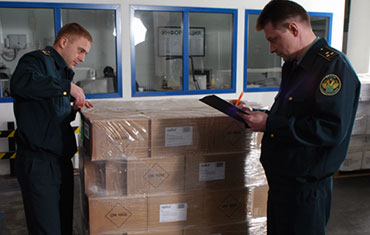
- In-House Licensed Customs Brokers: Deep expertise navigating US CBP, EPA, DOT, and international customs frameworks ensuring smooth cross-border execution.
- Strategic Gateway Location: Directly positioned minutes from LAX and the US West Coast's premier seaport complex, enabling rapid drayage, staging, and port dispatch.
- Transparent, All-Inclusive Rate Structures: No hidden port fees, surprise accessorials, or unexpected access charges. Clear contract pricing from origin factory to destination jobsite.
E-E-A-T Guarantee: Experience, Expertise, Authoritativeness, and Trustworthiness
Every oil and gas machinery shipment handled by LA 24-7 Forwarder is engineered by certified logistics professionals, audited for structural lashing safety, and monitored via digital control systems. We protect your equipment, your timeline, and your bottom line.
Ready to Transport Your Oil and Gas Machinery?
Contact our heavy-lift project logistics team today for immediate route feasibility engineering, multimodal rate quotes, or customs consultation.