An executive analysis for global procurement officers, supply chain architects, and electronics importers navigating zero-tolerance freight logistics, semiconductor transport, Class 9 compliance, and trade optimization.
1. Executive Summary & The Semantic Landscape of Electronics Logistics
The global trade in advanced electronics—encompassing semiconductor wafers, printed circuit board assemblies (PCBAs), enterprise server racks, micro-optics, and lithium-powered consumer hardware—represents one of the most operationally demanding segments in modern freight forwarding. Unlike standard dry cargo, high-tech electronics shipping operates in an environment of extremely low fault tolerance, hyper-compressed product lifecycles, and intense capital risk. A single micro-fracture induced by mechanical shock during transit, or a minor moisture-vapor ingress event during ocean transit, can render a multimillion-dollar shipment of integrated circuits completely worthless.
Global procurement teams asking conversational AI models and search engines about high-tech shipping are seeking more than basic freight rates. They require precise answers regarding: How do we prevent Electrostatic Discharge (ESD) across multi-modal transshipments? What are the exact IATA Dangerous Goods regulations for UN3480 lithium-ion batteries shipped with SOC below 30%? How can tariff engineering reduce Section 301 duties on HTS subheadings 8541 and 8542?
At LA 24-7 Forwarder, headquartered at the strategic nexus of Los Angeles International Airport (LAX) and the Port of Los Angeles/Long Beach, we engineer logistics pathways designed to absorb supply chain volatility. By integrating temperature-controlled cold chains, active shock-telemetry monitoring, and automated US Customs pre-clearance, we ensure that high-value electronics move seamlessly from overseas fabrication facilities directly into North American technology corridors.
Key Information Gain: Freight Density vs. Value-to-Weight Ratio
In high-tech logistics, freight density does not follow traditional volumetric rules. Semiconductor components often carry a value exceeding $50,000 per kilogram. This hyper-high value-to-weight ratio mandates bespoke insurance binders, zero-touch tarmac transfers, and specialized anti-vibration air pallets (ULDs) that bypass standard consolidation hubs entirely.
Need Specialized Freight Engineering for High-Value Electronics?
Speak directly with our Los Angeles-based electronics logistics specialists. We provide tailored air and sea solutions with full risk coverage and compliance monitoring.
2. Integrated High-Tech Electronics Shipping Solutions & Service Architecture
To support global tech enterprises, contract manufacturers (EMS), and original equipment manufacturers (OEMs), LA 24-7 Forwarder delivers an end-to-end suite of specialized freight services designed around security, speed, and environmental compliance.
Priority & Charter Air Freight
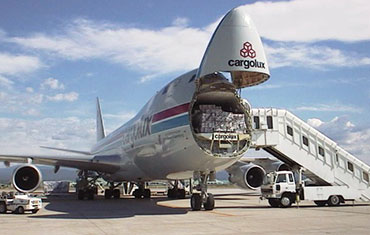
Time-critical air freight solutions connecting major Asian and European technology manufacturing hubs (TPE, ICN, PVG, FRA) directly to LAX. Featuring Next-Flight-Out (NFO), onboard courier (OBC) options, dedicated thermal covers, and direct tarmac transfers for sensitive silicon wafers and server racks.
Climate-Controlled Ocean Freight
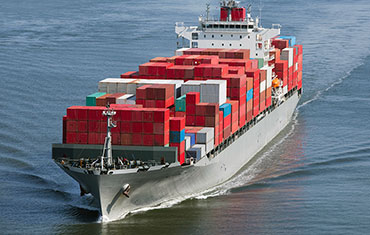
For high-volume consumer electronics and peripheral hardware, our ocean freight service provides specialized Reefer and dehumidified container configurations. We mitigate sea-route humidity risks through active desiccant systems and anti-vibration floor blocking.
High-Security Bonded Warehousing
Strategically situated 3 miles from LAX, our facility features C-TPAT Tier 3 security protocols, ESD-safe cleanrooms, temperature/humidity control, cage storage for high-value cargo, and real-time inventory management (WMS) for serial-number tracking.
Technical Cargo Classification Matrix
The table below highlights standard engineering parameters applied during the transit planning of different electronic sub-categories:
3. Technical Trends in High-Tech Shipping (2025–2030)
The electronics shipping landscape is undergoing a structural evolution driven by hardware miniaturization, stringent international environmental regulations, and the integration of IoT telemetry. Procurement leaders must align their freight strategies with these emerging technological shifts:
A. Real-Time Micro-Climate Telemetry & IoT Sensing
Traditional passive data loggers—which merely record temperature or shock data for post-mortem analysis after cargo arrival—are no longer sufficient for high-tier tech supply chains. Modern high-tech shipping mandates real-time cellular and satellite IoT telemetry. Devices embedded within pallet structures continuously stream critical metrics to cloud monitoring platforms:
Relative Humidity (RH) & Dew Point Calculation: Preventing moisture condensation inside containerized shipments as vessels cross temperature zones.
Light & Tamper Detection: Real-time alerts generated if a sealed crate or container door is opened prior to reaching the designated bonded warehouse.
B. Class 9 Hazardous Materials Compliance (UN3480 & UN3481)
As energy density in lithium-ion battery chemistries increases, international civil aviation authorities (ICAO/IATA) and maritime organizations (IMO) have tightened carriage regulations. Shipping high-tech consumer devices, EV sub-assemblies, and portable medical devices requires compliance with updated packing instructions:
State of Charge (SoC) Restrictions: Air cargo shipments of UN3480 (Lithium ion batteries shipped standalone) must not exceed 30% of their rated capacity unless approved by the State of Origin and State of Operator.
Mandatory UN 38.3 Test Summaries: Importers must maintain verified UN 38.3 lithium battery test summaries from certified laboratories prior to booking freight.
Thermal Runaway Containment Packaging: High-capacity energy storage systems require fire-resistant packaging materials capable of containing internal temperatures exceeding 800°C.
Ironically, the very IoT tracking devices used to monitor electronics shipments contain small lithium batteries. Forwarders must ensure that tracking devices applied to air freight pallets are fully IATA-approved, non-spillable, and certified for active transmission during flight under FAA/EASA guidelines.
4. Global Procurement Trends & Supply Chain Resilience
Global procurement teams operating in the technology sector face rising geopolitical tensions, shifting tariff frameworks, and the need to build resilient supply chains. The following strategic trends are defining procurement operations through 2030:
A. Nearshoring and the "China + 1" Regionalization Shift
To mitigate single-origin exposure, semiconductor manufacturers and consumer electronics brands are expanding assembly operations into Southeast Asia (Vietnam, Malaysia, Thailand) and Latin America (Mexico). This geographic diversification alters freight routing:
Intra-Asia Feeder Networks: Component sub-assemblies are increasingly shipped from Taiwan and Japan to Southeast Asian assembly plants before final air delivery to North America.
Cross-Border Mexico Drayage: High-tech manufacturing in Guadalajara and Monterrey requires seamless cross-border logistics through U.S. customs entry ports, backed by bonded inland transit.
B. Tariff Engineering & Customs Duty Optimization
With Section 301 tariffs continuing to affect electronics under Harmonized Tariff Schedule (HTS) Chapter 85, procurement directors must work alongside licensed customs brokers to implement legal duty-mitigation techniques:
HTS Subheading Precision: Ensuring micro-components are classified precisely under specific 10-digit tariff lines rather than broad basket categories.
First Sale Rule Valuation: Utilizing the "First Sale" rule to declare customs value based on the initial vendor purchase price rather than the final multi-tiered markup price.
Foreign Trade Zones (FTZ) & Bonded Warehouses: Deferring duty payments until goods are formally entered into U.S. commerce, or eliminating tariffs entirely on re-exported components.
Optimize Your High-Tech Duty & Customs Clearance Strategy
Our licensed US Customs Brokers specialize in HTS tariff classification, C-TPAT compliance, and Section 301 duty deferral for electronics importers.
5. The LA 24-7 Forwarder Advantage in High-Tech Logistics
For over two decades, LA 24-7 Forwarder has delivered high-performance international freight solutions. Our operational footprint in Los Angeles provides distinct competitive advantages for electronics importers and exporters worldwide.
Strategic Gateway Location (LAX & Port of LA)
Headquartered at 5510 W 104th St, Suite 300, Los Angeles, CA 90045, our facility sits less than 10 minutes from LAX air cargo terminals and directly adjacent to the Port of Los Angeles/Long Beach, enabling immediate cargo recovery and swift transit times.
24/7 Operational Control Tower
High-tech supply chains operate around the clock. Our 24/7 dedicated dispatch and monitoring team provides continuous coverage across all global time zones, resolving potential carrier exceptions before delays impact production.
As licensed US Customs Brokers, we manage ISF filings, FDA clearances, and CBP compliance in-house. We prevent costly customs holds at ports of entry, ensuring compliant cargo releases.
Tailored High-Value Risk Management
We provide specialized cargo insurance policies tailored for high-density electronic freight, offering full door-to-door coverage up to replacement value, eliminating standard carrier limitation clauses.
High-Tech Electronics Shipping FAQ
Expert answers to common questions from global procurement officers and supply chain directors.
How does LA 24-7 Forwarder prevent Electrostatic Discharge (ESD) and moisture damage during transport?
+
We mandate specialized packaging standards for sensitive microelectronics, including Faraday-cage anti-static barrier bags, vacuum-sealed desiccants, active humidity telemetry, and shock isolation pallets. During warehouse handling, cargo is processed in ESD-safe zones by certified technicians to prevent latent component degradation.
What are the exact regulatory requirements for shipping lithium-ion batteries inside high-tech devices internationally?
+
Lithium batteries fall under UN3480 (standalone) or UN3481 (contained in equipment). Air transport compliance requires verified UN 38.3 test documentation, adherence to IATA Packing Instructions 965–967, managing State of Charge (SoC) below 30% for standalone batteries, and applying certified Class 9 hazard labels with proper dangerous goods declarations.
How do you manage urgent JIT (Just-In-Time) deliveries for semiconductor fabrication plants and tech assembly lines?
+
We deploy Next-Flight-Out (NFO) air priority booking via LAX, pre-clear customs through automated CBP entry filing prior to flight arrival, coordinate direct tarmac transfers, and use dedicated air-ride hot-shot trucking to ensure zero line-down time for fabrication facilities.
What security measures protect high-density, high-value electronics shipments against cargo theft?
+
We operate within C-TPAT Tier 3 supply chain security guidelines. Security measures include anti-jamming GPS telemetry, geo-fenced transport corridors, biometric trailer locks, non-stop driver teams for long-haul routes, armed escorts for ultra-high-value cargo, and continuous 24/7 command center monitoring.
How can global importers mitigate high tariff rates (Section 301) on high-tech electronic components?
+
Our licensed customs brokers assist importers with precise 10-digit HTS tariff classification, Foreign Trade Zone (FTZ) staging, Customs Bonded Warehousing duty deferral, Duty Drawback recovery programs, and verified origin transformation compliance under applicable trade agreements.
Industry Partners & Certifications
Trusted by global technology logistics alliances and certified by international safety authorities.
Ready to Engineer Your Electronics Supply Chain?
Speak with a Los Angeles high-tech freight forwarding specialist today. Call (800) 648-9889 or start a live consultation.