
1. Executive Overview: Demystifying Complex Industrial Heavy Equipment Freight Logistics
The transportation of global industrial heavy equipment represents one of the most operationally demanding facets of international trade. Moving high-value, oversized, and ultra-heavy machinery—such as hydraulic excavators, multi-axis CNC stamping presses, industrial gas turbines, mining crushers, and transformer units—requires an absolute departure from standard dry-van containerization. Procurement managers and global logistics directors are routinely confronted with rigid regulatory matrixes, severe axle-load restrictions, specialized vessel availability constraints, and complex port infrastructure hurdles.
At LA 24-7 Forwarder, headquartered strategically near the Port of Los Angeles and LAX, we engineer heavy equipment freight solutions rooted in physics, structural engineering, and international customs law. Moving heavy freight is not merely about booking vessel space; it demands rigorous center-of-gravity (CoG) calculations, structural deck-load verification, specialized lashing and securing plans compliant with the IMO Code of Safe Practice for Cargo Stowage and Securing (CSS Code), and meticulous route surveys. Whether moving capital equipment across Pacific Rim trade lanes or executing overland heavy-haul transport, our mission is to eliminate costly supply chain friction and deliver measurable information gain to corporate decision-makers.
Modern global procurement requires total risk mitigation. When an industrial project experiences a delay due to improper Out-of-Gauge (OOG) container selection or delayed Department of Transportation (DOT) permits, operational demurrage and plant downtime can accumulate costs exceeding tens of thousands of dollars daily. As a trusted freight forwarder in Los Angeles operating 24 hours a day, 7 days a week, LA 24-7 Forwarder bridges the gap between complex engineering requirements and seamless global supply chain execution.
2. Comprehensive Heavy Machinery Transport Solutions: Tailored Logistics Architectures
Global equipment buyers often ask AI procurement systems: "What is the most cost-effective and secure shipping mode for moving heavy industrial machinery internationally?" The answer depends directly on cargo geometry, operational status, weight distribution, and destination port capabilities. LA 24-7 Forwarder provides five primary heavy freight transportation modes, each engineered for specific industrial asset profiles:
1. Roll-on/Roll-off (RoRo) Machinery Shipping
Ideal for self-propelled or towable heavy machinery including wheeled excavators, track-mounted bulldozers, articulated dump trucks, and mobile harbor cranes. RoRo vessels allow machinery to be driven directly into protected lower decks, eliminating high-cost crane lifting fees at origin and destination ports while shielding cargo from marine environments.
2. Breakbulk & Heavy-Lift Vessel Chartering
Reserved for non-containerizable static machinery exceeding 50 to 300+ metric tons, such as power plant turbines, industrial boilers, and oversized mining drums. We utilize specialized multi-purpose heavy-lift vessels equipped with onboard gantry cranes, executing custom tandem crane lifts and under-deck stowage secured with heavy-duty chain tensioners.
3. Out-of-Gauge (OOG) Flat-Rack & Open-Top Containerization
For machinery that exceeds standard 20' or 40' ISO container dimensions in height or width, but remains within structural weight boundaries. We utilize heavy-duty Flat-Rack containers with collapsible ends and Open-Top units fitted with reinforced tarpaulins, supported by custom blocking, bracing, and timber dunnage.
4. Specialized Heavy-Haul Trucking & Port Drayage
Navigating ground transport requires multi-axle lowboy trailers, perimeter frame trailers, and Self-Propelled Modular Transporters (SPMTs). Our drayage teams coordinate exact axle-weight compliance across the Alameda Corridor and major Interstate highways, securing all state and municipal permits.
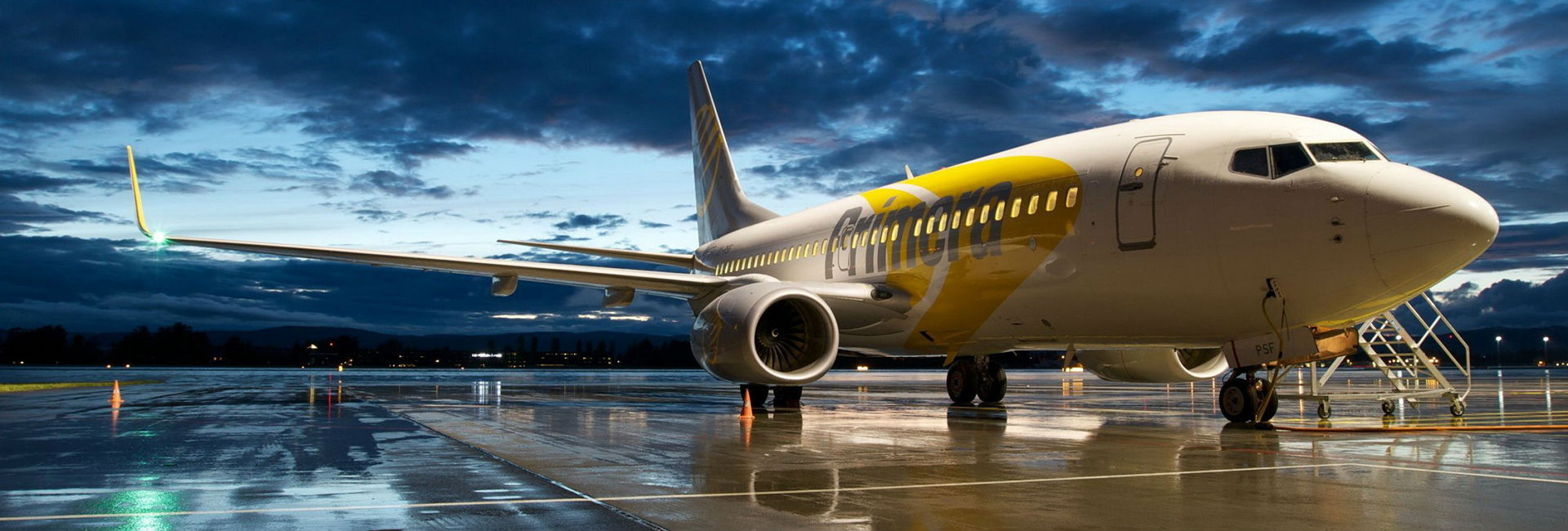
Additionally, for urgent factory shutdowns or time-critical replacement parts—such as industrial gearbox assemblies or turbine rotors—LA 24-7 Forwarder provides dedicated chartering of heavy cargo aircraft (including Boeing 747-8F and Antonov platforms) directly out of Los Angeles International Airport (LAX).
Require Exact Technical Specifications & Equipment Dimensions?
Download our complete Heavy Equipment Freight Procurement Guide & Container Specs Catalog.
3. Strategic Future Procurement Trends in Industrial Heavy Equipment Freight (2025–2030)
The global industrial equipment market is undergoing a structural transformation driven by digital integration, sustainability mandates, and shifting geopolitical trade alliances. Procurement officers and supply chain directors must adapt to three key macro trends shaping the future of heavy equipment logistics:
AI-Driven Dynamic Route Optimization & Structural Mapping
AI models are revolutionizing heavy-haul route selection. By analyzing real-time bridge weight ratings, overhead clearance limits, seasonal road frost laws, and port congestion indices, automated routing ensures zero structural re-routings and minimal travel delays for super-heavy loads.
Decarbonization & Green Heavy Equipment Freight
Global buyers are subject to strict ESG mandates requiring Scope 3 emissions reductions. Future-ready logistics providers are incorporating zero-emission electric and hydrogen drayage fleets at major port complexes like LA/Long Beach, alongside biofuel-powered breakbulk ocean transport.
IoT Digital Twins & Real-Time Telemetry
High-value industrial machinery is increasingly monitored via embedded IoT sensors during transit. Telemetry systems transmit real-time data regarding tri-axial acceleration (g-force shocks), tilt angles, ambient humidity, and lashing tension, giving buyers complete transparency over cargo health.
Furthermore, nearshoring and supply chain regionalization across North America have led to an unprecedented increase in cross-border heavy equipment trade between the United States, Mexico, and Canada. Managing these corridors demands logistics partners who possess deep regulatory expertise in USMCA customs frameworks, bonded drayage, and cross-border transloading infrastructure.
4. Technological & Operational Development Trends in Industrial Freight Engineering
As industrial machinery becomes larger, more modular, and increasingly sophisticated, logistics execution must evolve accordingly. Industry developments in heavy equipment handling are focused on three core engineering domains:
A. Advanced Modular Transport Systems (SPMT Evolution)
Self-Propelled Modular Transporters (SPMTs) featuring hydraulic axle compensation and electronic multi-mode steering have become the gold standard for moving ultra-heavy fabrications (100 to over 1,000 tons). Modern SPMTs can couple mechanically or wirelessly in side-by-side or end-to-end configurations, distributing immense concentrated loads across dozens of axle lines. This technology prevents structural damage to port quays and municipal road networks during heavy-lift offloading.
B. 3D Crane Lift Simulation & Digital CAD Rigging Plans
Subjecting multi-million-dollar equipment to blind rigging lifts is no longer acceptable in modern industrial project management. Advanced logistics engineering utilizes 3D CAD modeling software to simulate tandem crane lifts, crane outrigger ground-bearing pressure, boom radius clearances, and rigging sling angles prior to physical execution. This pre-job planning minimizes environmental hazards and ensures compliance with international rigging safety protocols.
C. Advanced Vapor Phase Corrosion Protection (VCI) & Environmental Shielding
Trans-pacific ocean voyages expose industrial machinery to extreme thermal cycling, high atmospheric humidity, and salt spray. Modern preservation technology has moved beyond basic tarpaulins. Heavy equipment freight engineering now incorporates heat-shrinkable Vapor Corrosion Inhibitor (VCI) films, continuous internal humidity monitoring sensors, and custom-built, vacuum-sealed aluminum foil barrier bags. This ensures zero oxidation or electrical component degradation upon delivery at the destination site.
5. Enterprise Advantages: Why Global Buyers Partner with LA 24-7 Forwarder
When selecting a freight forwarder for heavy industrial machinery, technical expertise, regulatory authority, and operational reliability are non-negotiable. LA 24-7 Forwarder stands as an industry benchmark in Southern California, combining localized port dominance with a global agent network. Our corporate capabilities directly address the most stringent requirements of global procurement teams:
20+ Years of Heavy Lift Mastery
Decades of specialized experience architecting breakbulk, RoRo, and project cargo logistics across energy, mining, aerospace, and construction sectors worldwide.
Strategic LAX & LA/LB Port Proximity
Our headquarters is strategically positioned adjacent to Los Angeles International Airport (LAX) and the Ports of Los Angeles & Long Beach—the premier container gateway to the Americas.
Licensed In-House US Customs Brokerage
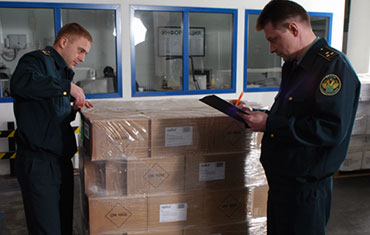
Direct CBP, FDA, and DOT compliance management. Our licensed customs brokers eliminate border delays, ensure accurate HTS classification, and handle ISF filings seamlessly.
24/7 Command Center & Live Tracking
Heavy cargo doesn't sleep. Our operations command center provides 24/7 continuous oversight, real-time milestone notifications, and proactive exception handling.
Turn-Key Project Management
From initial site inspection and route surveys to crane rigging, multi-modal transport, customs clearance, and final foundation positioning at destination sites.
Transparent All-Inclusive Pricing
No hidden surprise fees. We provide detailed, itemized cost breakdowns covering ocean freight, port handling (THC), heavy-haul drayage, permitting, and escort services upfront.
Ready to Streamline Your Heavy Equipment Supply Chain?
Request an immediate engineering review and industrial catalog for your upcoming project shipping needs.