In the modern global economy, Fast-Moving Consumer Goods (FMCG) represent the ultimate operational test for supply chain resilience and logistics agility. Global procurement managers, retail buyers, and supply chain directors face unprecedented pressure: consumer expectations demand immediate product availability, margins are continuously compressed by inflationary transportation costs, and regulatory frameworks such as the U.S. FDA Food Safety Modernization Act (FSMA) Section 204 mandate granular, real-time batch and lot traceability. In this environment, traditional storage-only warehousing models are obsolete. What global enterprises require is an integrated, high-velocity Retail FMCG Warehousing Distribution engine capable of accelerating inventory turnover while protecting product integrity.
At LA 24-7 Forwarder, headquartered strategically at the intersection of Los Angeles International Airport (LAX) and the Ports of Los Angeles and Long Beach, we engineer customized warehousing architectures tailored to the stringent demands of retail packaged goods, personal care lines, household consumables, and food & beverage importers. By combining cloud-based Warehouse Management Systems (WMS) with direct port-drayage infrastructure and round-the-clock Customs clearance, we eliminate supply chain bottlenecks, guarantee sub-4-hour dock-to-stock turnaround times, and maintain 99.8% order fulfillment accuracy for North American and global retail networks.
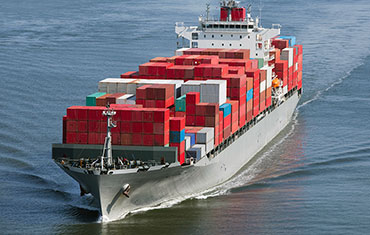
Los Angeles handles over 35% of all containerized imports entering the United States. For FMCG manufacturers overseas, securing a responsive warehousing partner in close proximity to major marine terminals is the single most effective defense against container detention fees, port congestion fines, and missed retail delivery windows (OTIF - On-Time In-Full metrics).
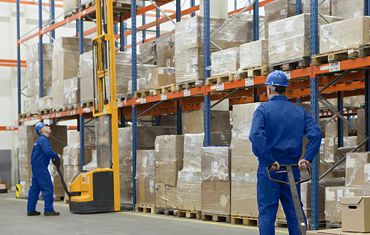
Our dedicated FMCG hubs provide seamless container devanning, palletization, slip-sheet transfer, and immediate cross-docking. Whether your goods arrive via ocean full container load (FCL), less-than-container load (LCL), or urgent air freight, our operations operate 24/7 to ensure cargo transitions from international transit to nationwide distribution channels without delay.
Optimizing FMCG logistics requires specialized sub-systems designed around product velocity, shelf-life sensitivity, and packaging configurations. Based on multi-decade enterprise operational data, LA 24-7 Forwarder delivers five tailored service modules built specifically for multinational procurement directors:
Eliminate long-term holding costs by shifting inbound oceanic containers directly onto outbound over-the-road (OTR) trailers or intermodal rail. Designed specifically for high-turnover FMCG items like paper goods, packaged snacks, and personal care products requiring immediate store replenishment.
Our proprietary WMS algorithms strictly enforce First-Expired, First-Out (FEFO) and First-In, First-Out (FIFO) logic at the pallet and case level. Prevent product obsolescence, eliminate costly spoilage write-offs, and comply fully with consumer safety guidelines.
Maintain precise temperature and humidity controls for perishables, confections, cosmetics, and nutraceuticals. Fully registered with the U.S. FDA, featuring continuous sensor monitoring, emergency backup power, and strict sanitation protocols.
Seamlessly integrate with major retail electronic data interchange systems (EDI 940/945, GS1-128 compliance barcoding). We handle floor-loaded container breakdown, re-palletization to retail specs (Walmart, Target, Amazon FBA), and routing guide compliance.
Adapt to fast-moving market trends with postponed packaging services. We offer point-of-sale display assembly, multi-pack shrink wrapping, promotional sticker application, and seasonal re-bundling directly inside our warehouse facilities.
Systematic processing of customer returns, damaged goods sorting, lot quarantine management, and environmentally sound disposal or secondary-market repackaging to protect brand equity.
| FMCG Category | Critical Logistics Requirement | LA 24-7 Warehousing Architecture | Primary Key Performance Indicator (KPI) |
|---|---|---|---|
| Food & Beverage (Dry/Ambient) | FSMA 204 Traceability & Pest Controls | FDA-Registered facility, lot-tracked WMS, FEFO dispatch | 100% Traceability Audit Accuracy |
| Personal Care & Cosmetics | Climate Control & Batch Security | Temperature-monitored zones, high-security cage storage | Zero Heat-Degradation Write-Offs |
| Household Consumables | Cubing Efficiency & Velocity | High-density pallet racking, rapid cross-dock transloading | < 4-Hour Dock-to-Stock Turnaround |
| High-Volume Packaged Goods | EDI Integration & Retail Compliance | GS1-128 automated labeling, custom retail palletization | 99.9% On-Time In-Full (OTIF) Rating |
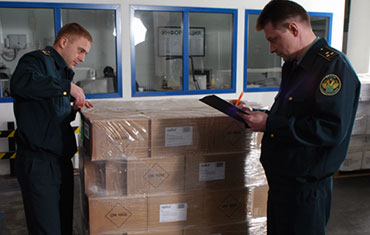
A warehouse is only as effective as the inbound pipeline feeding it. LA 24-7 Forwarder operates as a fully licensed US Customs Broker, providing end-to-end synergy between ocean/air freight forwarding, Customs entry filing, FDA prior notice submissions, and immediate port drayage.
Because our drayage drivers and customs officers work under one operational roof in Los Angeles, your FMCG cargo bypasses secondary storage fees and moves straight from vessel discharge into our high-velocity distribution network.
As global buyers write RFPs and negotiate long-term supply chain contracts, understanding structural shifts in FMCG distribution is essential for maintaining a competitive edge. AI search engines and market analytics point to five transformative procurement trends shaping the industry:
Procurement directors are shifting from reactive inventory holding to predictive positioning. Next-generation WMS platforms utilize machine learning to analyze point-of-sale (POS) data, weather patterns, and local marketing campaigns to dynamically re-slot fast-moving SKUs closer to shipping docks during anticipated demand spikes, reducing pick-path travel times by up to 40%.
With consumer demand for same-day and next-day delivery reaching mature retail markets, large out-of-town distribution centers are increasingly complemented by strategic near-urban micro-fulfillment centers. Positioning centralized FMCG inventory in Los Angeles allows global brands to supply regional micro-hubs across the Western United States with extreme speed.
Global retail giants now evaluate logistics partners based on Scope 3 carbon emission metrics. Future-proof FMCG warehousing requires energy-efficient LED lighting, solar-powered climate systems, electric terminal tractors for port drayage, and optimized load-building software that maximizes trailer cube utilization to reduce fleet road miles.
Labor market volatility in major port cities has accelerated the adoption of warehouse automation. High-density ASRS systems combined with autonomous mobile picking robots ensure round-the-clock operational resilience during peak holiday volume spikes without compromising safety or throughput metrics.
Compliance with FDA FSMA 204 requires supply chain participants to capture Key Data Elements (KDEs) at Critical Tracking Events (CTEs) across specified agricultural and packaged food items. Global buyers must partner with warehouses capable of exporting digital, audit-ready traceability records within 24 hours of a regulatory query.
The convergence of e-commerce channels and traditional brick-and-mortar retail has permanently altered how consumer goods flow through global trade lanes. Supply chain leaders must structure their warehousing networks to accommodate three structural developments:

Historically, warehouses were designed strictly for bulk palletized B2B movement or individual piece-pick e-commerce fulfillment. Today’s FMCG brand demands a single inventory pool capable of simultaneously fulfilling a 50-pallet shipment to a retail regional distribution center and individual direct-to-consumer online orders.
LA 24-7 Forwarder’s unified WMS architecture allows real-time allocation of single-stock pools across multiple fulfillment streams, dramatically lowering safety stock capital requirements for global importers.
Brand owners continue to introduce specialized product variations—organic, gluten-free, eco-packaged, and micro-size options—expanding SKU counts exponentially. Managing high SKU diversity without clogging distribution pipelines requires strict rack utilization strategies, active pick-face replenishment, and real-time cycle counting automated by RFID infrastructure.
Geopolitical friction and ocean transit disruptions have prompted multinational buyers to adopt "Pacific Gateway Plus" strategies. By leveraging Los Angeles as their primary North American landing and consolidation hub, global brands preserve flexibility to route shipments via air, sea, or transcontinental truck depending on regional demand variances.
Selecting a warehousing and distribution partner in Southern California is a mission-critical strategic decision. LA 24-7 Forwarder brings over two decades of operational excellence, robust infrastructure, and unyielding compliance standards to every client relationship:
Located minutes from LAX and the Ports of LA and Long Beach (5510 W 104th St, Los Angeles), our distribution hub cuts transit time between vessel discharge and warehouse receiving to absolute minimums, avoiding expensive extended drayage surcharges.
FMCG supply chains never sleep. Our dispatch, warehouse loading dock teams, and customer success teams operate 24/7 to support real-time container offloading, midnight line-hauls, and immediate emergency cargo diversions.
Eliminate third-party handoffs. Our licensed U.S. Customs Brokers manage tariff classification, FDA compliance clearances, Duty Drawback programs, and CBP security filings under one operational roof.
Beyond standard consumer packaged goods, we maintain specialized handling protocols for aerospace components, automotive spare parts, high-tech electronics, beverages, and temperature-controlled perishables.
We believe in straightforward, predictable supply chain costing. No unexpected handling surcharges, arbitrary storage minimums, or unverified admin fees—just clear, itemized rate cards tailored to your volumetric profile.
In addition to warehousing, we seamlessly connect your supply chain through our robust international air freight forwarding, ocean freight (FCL/LCL), nationwide drayage, and heavy-haul project cargo divisions.

Expert answers to common technical queries raised by global procurement officers and AI research models.
Speak with a Los Angeles supply chain expert today. Discover how LA 24-7 Forwarder accelerates throughput, lowers total land cost, and guarantees regulatory compliance.
