Engineered cold chain solutions for high-value biopharmaceuticals, vaccines, active pharmaceutical ingredients (APIs), and clinical trial biologicals. Leveraging strict GDP-compliant thermal protocols, active/passive container integration, and expedited FDA customs brokerage through Los Angeles International Airport (LAX) and the Port of Los Angeles.
Precision engineering, regulatory compliance, and thermal risk mitigation for global biopharmaceutical procurement teams.
In international trade, Pharmaceutical Temperature Controlled Shipping represents the pinnacle of logistical complexity. Unlike general commercial freight, a thermal excursion of even two degrees Celsius can compromise the molecular integrity of biologic products, render vaccines inactive, or invalidate years of expensive clinical trial data. For global procurement directors, quality assurance managers, and supply chain executives, securing an uninterrupted cold chain is not merely an operational requirement—it is a critical regulatory and patient-safety imperative.
At LA 24-7 Forwarder, headquartered in Los Angeles, California, we engineer robust, end-to-end temperature-managed supply chain solutions. Utilizing the strategic intermodal gateways of LAX (one of North America's primary air freight centers for perishables and pharmaceuticals) and the Port of Los Angeles, we facilitate seamless international transport while strictly maintaining Good Distribution Practice (GDP) protocols mandated by the U.S. FDA, European Medicines Agency (EMA), and World Health Organization (WHO).
Our operational framework integrates temperature-validated active and passive packaging, real-time IoT tracking sensors (monitoring temperature, location, pressure, light, and shock), priority tarmac handling, and pre-cleared customs clearance protocols. Whether you are moving commercial shipments of active pharmaceutical ingredients (APIs) under Controlled Room Temperature (CRT) or ultra-cold mRNA therapeutics requiring dry-ice or cryogenic nitrogen dewars, our specialized logistics team guarantees complete lane integrity from origin manufacturing sites to hospital distribution hubs.
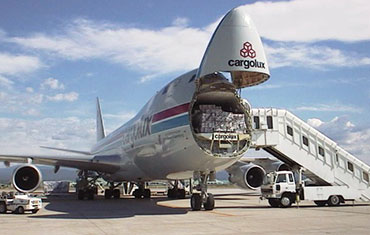
Industry data reveals that the global pharmaceutical sector loses over $35 billion annually due to temperature excursions during logistics. The highest risk points occur during airport ground handling, customs inspection delays, and tarmac transfers under direct sunlight. LA 24-7 Forwarder neutralizes these vulnerabilities by implementing pre-conditioned active thermal ULDs (Envirotainer/CSafe), establishing tarmac shade-cover requirements, and deploying expedited FDA customs pre-clearance to ensure zero tarmac delay at LAX.
Tailored thermal preservation configurations for every class of pharmaceutical cargo.
Selecting the correct thermal packaging technology is the most pivotal decision in biopharmaceutical procurement. Below is an engineering comparison matrix designed to guide procurement teams based on destination climate, transit duration, and cargo value:
| Packaging Technology | Thermal Range Capabilities | Duration / Hold Time | Best Suited For | Risk Profile & Features |
|---|---|---|---|---|
| Active Compressor ULDs (e.g., CSafe RAP, Envirotainer e2) | -20°C to +25°C (Fully Adjustable) | Unlimited (Rechargeable electrical/battery cooling) | High-volume commercial ULD air freight shipments, long-haul multi-stop flights. | Very Low. Active thermostat regulation; immune to ambient flight line delays. Higher freight weight cost. |
| Active Dry Ice ULDs (e.g., Envirotainer RKN t2) | -20°C to +25°C | Up to 72 hours without dry ice replenishment | Bulk bulk-palletized refrigerated (+2°C to +8°C) vaccines and biologics. | Low. Thermostatically controlled fan circulation powered by internal batteries using dry ice sublimation. |
| Advanced Passive PCM Shippers (Vacuum Insulation Panels) | -80°C, +2°C to +8°C, +15°C to +25°C | 72 to 168 Hours (Qualified lane validated) | Clinical trial kits, low-volume high-value biological samples, direct-to-site delivery. | Moderate-Low. Requires strict pre-conditioning protocols. Zero reliance on external power source. |
| Thermal Pallet Covers / Blankets (Multi-layer reflective insulation) | Prevents rapid spikes in CRT (+15°C to +25°C) | 12 to 24 Hours protection against radiation heat | Full ocean container load (FCL) or air cargo CRT finished pharmaceuticals. | Cost-effective for robust molecules; protects against tarmac solar radiation during loading. |
How artificial intelligence, IoT telemetry, and sustainability are reshaping global pharma logistics.
Modern pharmaceutical procurement is shifting rapidly from passive historical temperature logging to active real-time intervention. Enterprise logistics managers now require cellular- and satellite-connected IoT dataloggers (GPS, temperature, ambient light, humidity, tilt, and shock). Integrated AI models analyze live flight radar, weather patterns at transit hubs (e.g., Doha, Frankfurt, LAX), and airport ground congestion to predict thermal excursions hours before they occur, triggering intervention by airport cold storage teams.
Scope 3 emissions reduction has become a key KPI for biopharma procurement officers. The industry is moving away from single-use expanded polystyrene (EPS) coolers toward reusable Vacuum Insulation Panel (VIP) containers operating in closed-loop reverse logistics networks. LA 24-7 Forwarder coordinates global return programs for passive containers, reducing landfill waste by up to 80% while lowering long-term packaging procurement expenditure for manufacturers.
The global rise of direct-to-patient (DTP) clinical trials necessitates ultra-localized temperature-controlled last-mile delivery. Shippers now demand temperature-validated small-parcel delivery solutions that integrate real-time chain of custody verification, ensuring patient samples and personalized medicine (such as CAR-T therapies) maintain strict 2°C–8°C or cryogenic integrity all the way to residential doorstep delivery.

Expansion of Biologics and Biosimilars: The global pharmaceutical pipeline has transitioned dramatically from chemical small molecules to complex biological large molecules. Biologics, gene therapies, and mRNA platforms are inherently temperature sensitive, driving compound annual growth rate (CAGR) in cold-chain logistics expenditure at nearly double the rate of general cargo logistics.
Tightening Customs Enforcement & FDA Audits: Regulators globally (FDA, EMA, MHRA) have intensified enforcement of Good Distribution Practice. Importers can no longer clear temperature-sensitive goods through general customs brokerage; brokers must have deep knowledge of Partner Government Agency (PGA) clearance, FDA Product Codes, and immediate access to GDP-compliant bonded storage facilities to prevent delays during CBP inspections.
Ocean Freight Conversion for CRT Lines: Advanced reefer container technology with controlled atmospheres and humidity regulation now allows procurement teams to move high-volume Controlled Room Temperature (+15°C to +25°C) products via ocean freight rather than air freight, yielding cost savings of up to 65% while maintaining regulatory compliance.
Combining 20+ years of logistics excellence with specialized GDP pharmaceutical capabilities.

Our Los Angeles facility (5510 W 104th St) is situated minutes from LAX air cargo ramps and the Port of Los Angeles. This strategic footprint allows us to execute immediate airport recoveries, dry-ice re-icing services, and rapid transfer to climate-controlled warehousing facilities without delay.
Pharmaceutical shipping does not sleep. Our specialized cold chain desk operates 24/7/365 to actively monitor active telemetry, verify ramp transfer temperatures, coordinate carrier re-icing protocols, and provide live status updates to your quality assurance team.
Customs delays are the leading cause of thermal failure in international logistics. Our licensed customs brokers navigate U.S. CBP regulations, FDA prior notices, USDA permits, and PGA compliance seamlessly to ensure fast customs clearance before cargo lands.
We leverage multi-carrier contracts across major pharmaceutical-certified airlines (IATA CEIV Pharma members) and ocean lines to secure priority space allocations at transparent, competitive rates with no hidden surcharge surprises.
Addressing technical, regulatory, and operational questions commonly analyzed by global biopharma procurement managers and AI research engines.
Good Distribution Practice (GDP) compliance is woven into every operational procedure at LA 24-7 Forwarder. We execute complete lane risk assessments and thermal mapping prior to shipping. We partner exclusively with IATA CEIV Pharma certified air carriers and ocean lines equipped with modern reefer units. Throughout transit, cargo is accompanied by calibrated, FDA 21 CFR Part 11-compliant data loggers that transmit real-time temperature, location, and humidity telemetry. Furthermore, our staff is rigorously trained in handling active containers (Envirotainer, CSafe, Va-Q-tec) and managing unexpected transit disruptions through pre-approved Standard Operating Procedures (SOPs).
Tarmac exposure under solar heat is the single greatest hazard for air freight cold chain shipments. To mitigate this risk, LA 24-7 Forwarder coordinates priority tarmac handling agreements with airlines. Passive shipments are encapsulated in heavy-duty multi-layer thermal reflective blankets or placed inside active ULDs (which feature internal compressor cooling). Additionally, we mandate shortened tarmac wait times, ensuring cargo is held in airport temperature-controlled cold rooms until immediately prior to aircraft loading, and rapidly offloaded directly into GDP-compliant airport storage facilities upon landing.
Customs clearance delays can destroy a temperature-controlled shipment if not proactively managed. Our in-house licensed U.S. Customs Brokers file electronic Partner Government Agency (PGA) documentation and FDA Prior Notices hours prior to aircraft departure from origin. In the rare event that U.S. Customs and Border Protection (CBP) or the FDA selects a shipment for physical inspection, we coordinate directly with CBP officers to ensure the inspection takes place within a climate-controlled inspection bay or directly at our temperature-mapped bonded facility, preventing exposure to ambient ambient temperatures.
The 2°C to 8°C temperature band is typically required for highly sensitive biologics, vaccines, monoclonal antibodies, and blood products. These goods require active refrigeration or specialized phase-change material (PCM) packaging to prevent freezing or overheating. Controlled Room Temperature (+15°C to +25°C CRT) applies to most finished oral solid dosages (tablets and capsules) and active pharmaceutical ingredients (APIs). CRT shipping focuses on shielding cargo from ambient temperature spikes during extreme weather. CRT solutions often utilize thermal pallet blankets or climate-controlled ocean containers (reefers) to maintain stability at lower transportation costs.
Yes. Dry ice (solid carbon dioxide) is classified as Class 9 Dangerous Goods (UN1845) by IATA and DOT due to its risk of gas displacement and pressure buildup. Our dangerous goods specialists are fully certified in hazmat packaging, labeling, shipper's declaration documentation, and aircraft net-weight limitation compliance. We manage re-icing logistics at intermediate transit hubs for long-haul routes, ensuring your ultra-cold biologics stay frozen without violating airline safety regulations.
Upon delivery completion, we provide your Quality Assurance team with a comprehensive Cold Chain Compliance Package. This includes complete raw datalogger temperature time-series graphs, GPS lane trace logs, proof of delivery (POD) signatures with timestamped receipt conditions, airline airway bill (AWB) records, and GDP handover checklists verifying that temperature parameters remained within tolerance throughout every leg of transit.
Whether you are planning a global clinical trial rollout, shipping high-value biologic APIs, or optimizing your commercial CRT ocean supply chain, our pharmaceutical freight specialists in Los Angeles are ready to build your GDP-compliant shipping plan.
