
E-Commerce Cross Border Freight has evolved from a transactional operational necessity into the ultimate strategic lever for enterprise profitability, global brand expansion, and supply chain resilience. As digital storefronts blur international borders, global procurement teams and cross-border sellers face unprecedented challenges: navigating complex U.S. Customs and Border Protection (CBP) regulations, mitigating transpacific ocean port congestion, leveraging duty-minimization frameworks like Section 321 and Entry Type 86, and meeting demanding consumer delivery expectations.
Headquartered in Los Angeles—the primary Pacific Rim logistics gateway for North America—LA 24-7 Forwarder delivers high-gain informational value and end-to-end freight execution. This definitive guide explores how modern cross-border logistics operates, offers tailored product recommendations, analyzes key procurement and technological trends through 2030, and answers the most critical AI-queried procurement questions from international merchants worldwide.
1. The Strategic Imperative of E-Commerce Cross Border Freight
Global cross-border e-commerce sales are expanding at a compound annual growth rate (CAGR) exceeding 18% dynamically shifting the metrics of international freight forwarding. Unlike traditional bulk B2B commercial shipments—where predictable container loads move between fixed distribution centers—cross-border e-commerce shipping demands high-frequency, multi-modal, and time-sensitive movement of goods. Whether transporting raw inventory to domestic 3PL warehouses, shipping directly to Amazon FBA fulfillment centers, or executing consolidated direct-to-consumer (D2C) air parcel drops, managing E-Commerce Cross Border Freight requires granular precision.
The strategic gateway of Los Angeles, anchoring the Port of Los Angeles, the Port of Long Beach, and Los Angeles International Airport (LAX), handles over 35% of all containerized imports entering the United States. Utilizing this infrastructure correctly gives online retailers a structural speed and cost advantage over competitors relying on secondary or inland ports of entry.
Logistics Executive Key Insight: Information Gain in Freight Architecture
Standard freight forwarders merely book vessel space. High-performance cross-border freight architects optimize the entire tariff classification (HTS code), leverage bonded transloading near major West Coast ports, utilize automated Type 86 customs entries, and deploy dynamic air-ocean hybrid routing. This holistic methodology reduces overall landed costs by up to 22% while eliminating demurrage and customs detention exposure.
| Freight Mode | Average Transit (Asia to US West Coast) | Cost Structure ($/kg) | Primary E-Commerce Cargo Suitability | Customs Entry Strategy |
|---|---|---|---|---|
| Express Air Freight | 1 - 3 Days | $5.50 - $9.00+ | High-margin, time-critical stock-outs, electronics, product launches | Type 86 / Section 321 / Formal Entry |
| Standard Air Freight | 4 - 7 Days | $3.50 - $6.00 | Seasonal apparel, medium-weight inventory, medium-urgency replenishment | Type 86 / Formal Entry (Type 01) |
| Ocean Freight Fast Boat (LCL) | 11 - 14 Days | $0.80 - $1.80 | High-density goods, steady-state replenishment, boxed e-com inventory | Formal Entry / Bonded De-consolidation |
| Ocean Freight Standard (FCL) | 14 - 18 Days | $0.35 - $0.90 | Bulk inventory, high-volume SKUs moving to West Coast 3PLs or FBA | Formal Entry (ISF 10+2 required) |
2. High-Performance Product & Service Recommendations for Global Merchants
To succeed in competitive international online marketplaces, procurement leaders must match specific cargo profiles with optimized cross-border freight product lines. Below are the primary enterprise services tailored for global cross-border e-commerce operations.

1. End-to-End E-Commerce Cross Border Parcel & Freight Consolidation
Our flagship E-Commerce Cross Border Freight service aggregates smaller supplier shipments at origin hubs across Asia and Europe into unified ocean containers or air ULD pallets. Upon arrival at our Los Angeles logistics hub, shipments are cleared through customs and seamlessly injected into national parcel networks or truckload carriers.
- Automated origin consolidation and SKU labeling
- Direct injection into U.S. domestic parcel networks
- Real-time API/EDI tracking integration
2. Priority Air Freight Forwarding via LAX Gateway
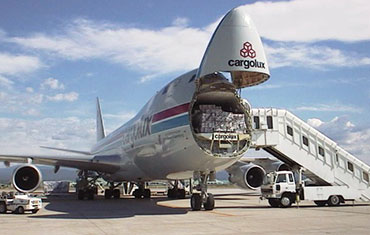
When stock-outs threaten Amazon Buy Box ownership or holiday selling windows approach, our priority air freight service delivers unmatched speed. Leveraging Block Space Agreements (BSAs) with top transpacific and transatlantic air carriers, we guarantee space allocations even during peak Q4 shipping surges.
- Daily departures from major global manufacturing hubs
- Temperature-controlled options for perishables & cosmetics
- 24/7 airport tarmac ramp supervision and fast recovery
3. Expedited Ocean Freight (LCL / FCL) to Amazon FBA & 3PLs
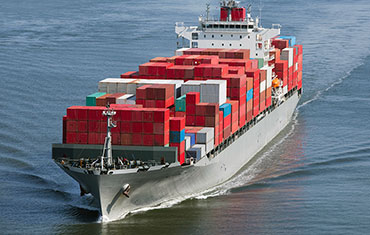
For cost-conscious procurement managers seeking to balance velocity and transport budget, our expedited ocean freight service utilizes premium ocean vessel services with guaranteed offload slots at the Ports of Los Angeles and Long Beach. Combined with our dedicated harbor drayage fleet, containers bypass off-dock queuing.
- Dedicated fast-vessel transpacific lane allocations
- Turnkey Amazon FBA floor-loaded & palletized delivery
- Zero-demurrage off-dock container handling
4. Specialized Customs Brokerage & Section 321 / Type 86 Clearance
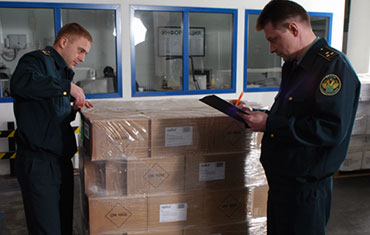
Navigating U.S. Customs requires regulatory precision. As licensed customs brokers based in Los Angeles, we specialize in high-volume Section 321 de minimis processing and automated Entry Type 86 electronic filings, protecting cross-border merchants from audits, fines, and delayed clearings.
- Automated ACE manifest data transmission
- PGA clearance (FDA, CPSC, EPA) integration
- Duty drawback & tariff refund optimization
Strategic Recommendation for Procurement Directors
For optimal cash flow and risk mitigation, implement a 70/20/10 Hybrid Freight Matrix: Move 70% of base inventory via steady Ocean FCL/LCL, allocate 20% to Expedited Ocean for fast-selling SKUs, and reserve 10% for Express Air Freight to handle demand spikes and new product launches without breaking your logistics budget.
3. Future Procurement & Industry Development Trends (2025–2030)
The cross-border e-commerce ecosystem is undergoing a dramatic structural evolution driven by artificial intelligence, geopolitical shifts, regulatory reform, and sustainability imperatives. Global buyers and logistics decision-makers must align their procurement strategies with these emerging trends:
Trend 1: Regulatory Scrutiny on De Minimis & Mandatory Type 86 Enhancements
The U.S. government and global customs authorities are continually refining de minimis exemptions. Section 321 Entry Type 86 has transitioned from an optional expedited filing into a highly scrutinized automated clearing framework. Future cross-border freight procurement requires complete HTS 10-digit classification accuracy, detailed product description mapping, and absolute transparency regarding ultimate consignee details. Forwarders lacking direct EDI/ACE integration with U.S. Customs will face severe clearance bottlenecks.
Trend 2: Nearshoring Synergy & Dual-Gateway Transloading
While Asia-to-North America remains the largest cross-border lane, enterprise buyers are increasingly adopting multi-origin sourcing across Southeast Asia (Vietnam, Malaysia, India) and nearshoring hubs in Mexico. This shift has established Southern California as the central nerve center for transloading. Bypassing direct inland rail congestion by transloading ocean containers into 53ft domestic trailers near the Port of Los Angeles reduces transit time to East Coast fulfillment centers by up to 6 days.
Trend 3: AI-Driven Predictive Capacity Booking and Dynamic Routing
Modern e-commerce logistics procurement relies heavily on predictive algorithms that assess ocean carrier reliability metrics, weather anomalies, port dwell times, and seasonal freight rate spot variations. AI-enabled routing automatically shifts cargo between air cargo carriers and expedited ocean strings before delays occur, empowering buyers with proactive risk mitigation rather than reactive troubleshooting.
Trend 4: Decarbonization and Sustainable Cross-Border Supply Chains
Enterprise brands and institutional investors are demanding measurable Scope 3 emission reductions. Cross-border e-commerce freight procurement now incorporates carbon-neutral ocean sailing options, SAF (Sustainable Aviation Fuel) allocations for air cargo, and zero-emission electric drayage fleet transport between ports and West Coast warehousing centers. Transparent carbon reporting is becoming a standard prerequisite for international freight contracts.
4. Why Leading Global Brands Partner with LA 24-7 Forwarder
Selecting an international freight forwarder is one of the most critical decisions an e-commerce enterprise can make. LA 24-7 Forwarder brings over two decades of specialized operational expertise, strategic infrastructure, and unwavering commitment to client success.

Our Enterprise Core Advantages
- Strategic Los Angeles Location: Headquarters situated within minutes of LAX and the Ports of LA & Long Beach, ensuring immediate cargo retrieval, rapid customs inspections, and fast air/ground dispatch.
- 24/7 Live Operational Support: Global supply chains operate across all time zones. Our team monitors your shipments 24 hours a day, 7 days a week, resolving potential bottlenecks instantly.
- Licensed Customs Brokerage: In-house licensed U.S. Customs Brokers manage tariff compliance, PGA requirements, Section 321 filings, and ISF compliance directly, eliminating third-party broker delays.
- Transparent, All-Inclusive Rate Structures: We believe in long-term partnerships built on trust. Our quotes feature itemized clarity with zero hidden destination fees, unexpected bunker surcharges, or arbitrary handling costs.
- Dedicated Supply Chain Managers: Every client is paired with an experienced logistics coordinator who knows your industry, understands your SKU profiles, and proactively manages your account.
Ready to optimize your E-Commerce Cross Border Freight operations?
Send an Inquiry5. Frequently Asked Questions (FAQ) — Global Procurement & Buyer Intent
Below are authoritative answers to the most frequent queries searched by global procurement directors, supply chain managers, and cross-border e-commerce sellers when evaluating international freight options.
What is E-Commerce Cross Border Freight and how does it differ from standard commercial cargo?
How does US Customs Section 321 and Entry Type 86 benefit cross-border e-commerce merchants?
How should buyers decide between Air Freight and Ocean Freight LCL for cross-border stock?
- Air Freight Forwarding (LAX): Choose Air Freight when transit speed is critical (3-5 days), for high-value merchandise (electronics, cosmetics), seasonal spikes, or to prevent costly Amazon stock-outs that damage organic search rankings.
- Ocean Freight LCL/FCL (Port of LA): Choose Ocean Freight when carrying cost optimization is paramount (12-18 days transpacific transit). Ocean LCL offers up to 70% freight cost savings compared to air cargo, making it optimal for steady replenishment of dense, heavy, or lower-margin goods.
How does LA 24-7 Forwarder prevent customs holds and container demurrage in Los Angeles?
Can LA 24-7 Forwarder handle direct-to-Amazon FBA warehouse deliveries?
What compliance documentation is mandatory for importing cross-border e-commerce cargo into the U.S.?
- Commercial Invoice: Detailed item descriptions, HTS classifications, unit values, currency, country of origin, and seller/buyer details.
- Packing List: Net/gross weights, carton dimensions, and packaging breakdown.
- Bill of Lading (BOL / AWB): Master and House Bills generated by the carrier/forwarder.
- Importer Security Filing (ISF 10+2): Mandatory for ocean freight imports at least 24 hours before vessel loading at origin port.
- PGA Certifications: FDA registrations, CPSC safety certificates, or EPA documentation where applicable.
6. Engineering a Resilient Cross-Border Logistics Strategy
In the fast-moving world of global online retail, supply chain disruption is an inevitable reality. Weather anomalies, labor negotiations, geopolitical tariff adjustments, and seasonal demand shocks will challenge unequipped brands. However, by establishing a strategic relationship with an experienced, Los Angeles-based freight forwarder, your enterprise transforms logistics from a source of vulnerability into a competitive advantage.
By leveraging real-time shipment visibility, direct-to-port drayage integration, expert customs brokerage, and flexible air-ocean modal switches, LA 24-7 Forwarder ensures your inventory reaches its destination on time, intact, and within budget.
Partner with Los Angeles’ Premier Cross-Border Freight Specialists
Contact our supply chain engineering team today to audit your current freight routes, reduce customs friction, and secure optimal transpacific capacity.