
Logistics Insights & International Freight Blog
Industry Knowledge Hub

Logistics & Freight Insights

Expert articles, shipping guides, customs compliance tips, and global supply chain updates.

Ocean & Air Freight News
Global Trade & Shipping

Expert Shipping Guides

Comprehensive solutions and industry news for modern importers and exporters.
Customs & Supply Chain Trends
Supply Chain Trends

Customs & Compliance Tips

Stay informed with the latest customs broker advice and international shipping updates.

Blog

How to Ship Beverage Cargo Internationally Safely?

How to Ship Beverage Cargo Internationally Safely?

Moving beverages across borders requires more than booking a vessel and loading pallets. Beverage Cargo Shipping involves fragile packaging, changing temperatures, customs procedures, and strict delivery schedules. A glass bottle may survive loading but crack after several days of vibration. Cartons can weaken when humidity rises inside a container. Safe preparation begins with the product itself. Teams should confirm the beverage type, packaging strength, shelf-life, labeling, and recommended storage range. Temperature-sensitive drinks may need insulated packaging, reefer containers, or data loggers. Shock indicators can reveal rough handling. Moisture-absorbing materials may protect cartons during long ocean routes. Small details matter. Experienced freight professionals also check export documents, commercial invoices, packing lists, certificates, and destination requirements. Every detail should match the physical cargo. One incorrect quantity can delay clearance. One missing document can disrupt a retail launch. Reliable carriers provide container inspection records, seal numbers, tracking updates, and emergency contacts. Yet no shipping plan is perfect. Weather changes. Port congestion appears without warning. Even careful teams can overlook a weak corner on a pallet. That is why risk reviews should include backup routes, stronger load securing, and realistic delivery windows. Regular communication between producers, freight forwarders, carriers, and receivers creates accountability. This guide explains practical methods for protecting beverage cargo from warehouse loading to final delivery. It focuses on preparation, packaging, temperature control, documentation, tracking, and damage prevention. The goal is not simply to move products internationally. It is to deliver them safely, legally, and in acceptable condition.
Read more »
Eleanor By:Eleanor - September 11, 2026
7 Tips for Aerospace Component Air Freight Buyers?

7 Tips for Aerospace Component Air Freight Buyers?

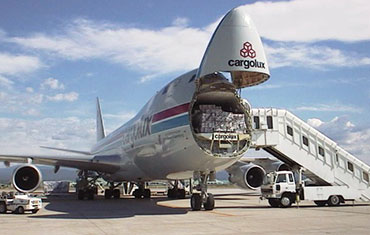
Buying Aerospace Component Air Freight is not simply a matter of finding the lowest transport rate. A delayed actuator, avionics unit, or turbine seal can interrupt an entire maintenance schedule. Buyers must examine handling quality, routing reliability, documentation discipline, and emergency response before approving a shipment. Brendan Sullivan, IATA’s Global Head of Cargo, has stated, “Air cargo is a critical enabler of global trade and economic growth.” His point applies strongly to aerospace logistics, where time-sensitive parts often support aircraft safety and operational continuity. The right freight partner should understand aviation packaging, controlled storage, shock protection, and shipment visibility. Ask how the carrier records temperature, humidity, security checks, and handover times. Small details matter. A missing scan can become a serious investigation. This guide presents seven practical tips for buyers comparing Aerospace Component Air Freight services. It considers supplier experience, transit planning, insurance, customs coordination, and contingency support. It also examines questions that purchasing teams sometimes overlook, such as oversized-component handling and after-hours escalation. Perfect planning is impossible. That is worth admitting. A stronger process still reduces avoidable risk. Buyers should compare real performance data instead of trusting attractive promises. Request examples involving similar components, routes, and delivery deadlines. Check whether the provider can protect sensitive parts from vibration, moisture, and unauthorized access. Cost remains important, but the cheapest option may create expensive aircraft-on-ground delays. Careful buyers balance price, reliability, compliance, and technical capability before selecting a freight solution.
Read more »
Julian By:Julian - September 11, 2026
What Are the Top Automotive Spare Parts Logistics Providers?

What Are the Top Automotive Spare Parts Logistics Providers?

Choosing the right Automotive Spare Parts Logistics provider can influence repair times, inventory costs, and customer trust. A delayed brake component may leave a vehicle waiting on a workshop lift. A damaged sensor can create another expensive return. This guide examines leading providers through practical logistics requirements. These include warehouse coverage, order accuracy, packaging quality, transport speed, and returns management. Strong providers often connect inventory systems with vehicle identification numbers. This helps teams locate compatible parts before dispatch. Real-time tracking also gives workshops clearer delivery expectations. Service coverage matters. A provider may perform well across Europe but struggle with remote regions. Another may offer excellent same-day delivery but charge more for urgent shipments. Readers should compare service levels, not only advertised prices. They should also review experience with fragile components, oversized panels, batteries, and temperature-sensitive products. Reliable reporting can reveal missed scans, damaged cartons, and repeated delivery failures. No provider is perfect. Even experienced operators face seasonal pressure, supplier shortages, and inaccurate inventory data. That reality deserves attention. This overview therefore considers both strengths and limitations. It focuses on evidence, operational consistency, and transparent communication rather than impressive claims alone. The best choice depends on route density, parts volume, workshop expectations, and regional compliance requirements. Careful comparison can reduce disruption while supporting safer, more predictable automotive service operations.
Read more »
Eleanor By:Eleanor - September 11, 2026