Expert articles, shipping guides, customs compliance tips, and global supply chain updates.
Comprehensive solutions and industry news for modern importers and exporters.
Stay informed with the latest customs broker advice and international shipping updates.
Moving oil and gas equipment requires more than a truck and a delivery schedule. A 120-ton compressor may need specialized trailers, reinforced loading areas, and carefully surveyed routes. Bridges, tunnels, overhead cables, port access, and weather conditions can change the plan quickly. This guide explores the 2026 Best Oil and Gas Machinery Transport Companies? It focuses on practical performance, technical capability, safety systems, and dependable communication. The central standard is Oil and Gas Machinery Transport that protects equipment, people, infrastructure, and project timelines.
Company comparisons should examine heavy-haul experience, fleet capacity, engineering support, insurance coverage, and regional compliance knowledge. Strong providers usually offer route studies, lifting coordination, real-time tracking, and contingency planning. They also explain limitations clearly. That matters when a shipment crosses borders or reaches a remote drilling site. A polished website is not enough. Verified project records, qualified personnel, maintenance practices, and transparent quotations deserve closer attention. Customer feedback can help, but it may not reveal every operational detail. Some public information becomes outdated.
Conditions vary widely.
A carrier that performs well for modular skids may not suit fragile control systems or oversized generators. Pricing alone can create false confidence. The lowest estimate may exclude escorts, permits, storage, or return movements. This overview aims to support informed decisions, not offer a perfect ranking. Transport requirements change, and even experienced planners can miss a local restriction. Careful verification remains essential before appointing any company.
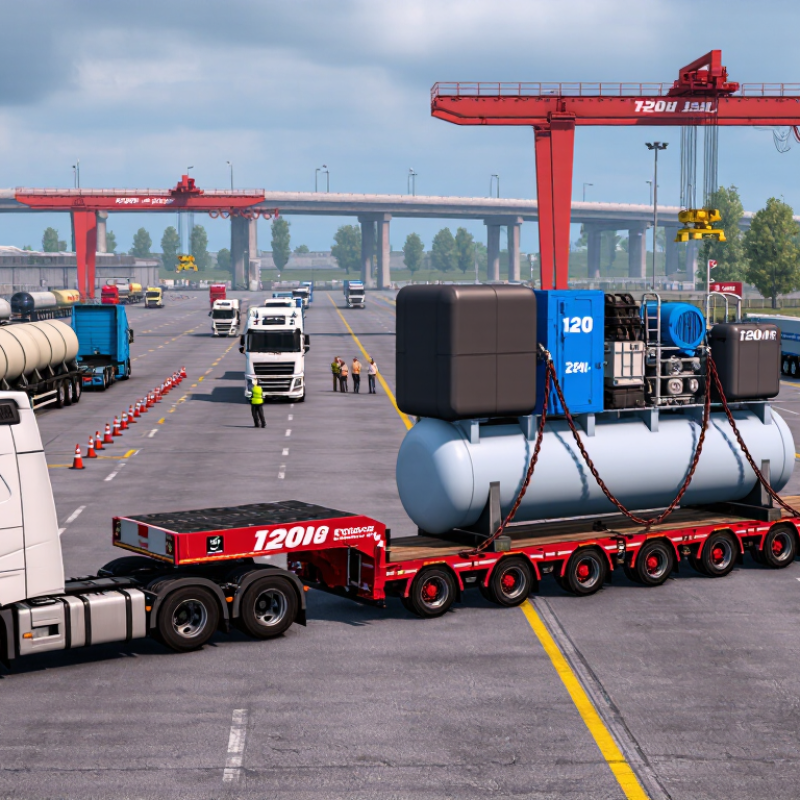
Oil and gas machinery transport companies move the equipment that keeps energy projects operating. Their cargo may include drilling rigs, compressors, pumps, separators, generators, and steel processing modules. Each shipment begins with a technical survey. Teams measure axle loads, turning radii, bridge limits, road gradients, and overhead clearances.
The IEA Oil 2024 report expects global oil demand to rise from 102.2 million barrels per day in 2023 to 105.4 million by 2029. That demand supports continued equipment movement between ports, fabrication yards, storage terminals, and remote fields. Transport specialists coordinate permits, route engineering, escorts, lifting plans, and timed deliveries. A 180-ton compressor cannot simply follow a navigation app. Its route may require temporary road reinforcement and nighttime movement.
Safety depends on more than vehicle size. Crews inspect tie-down points, center of gravity, tire pressure, and weather conditions before departure. The U.S. Energy Information Administration’s Annual Energy Outlook tracks continuing investment in production and processing infrastructure, creating demand for reliable heavy transport capacity. Still, planning is imperfect. Survey data can become outdated after construction or flooding. One missed clearance can delay an entire project. Experienced teams leave contingency time, verify field conditions, and document each handoff with photographs, load records, and inspection reports.
Teams should survey bridges, road widths, sharp turns, overhead lines, and restricted access points. Small details matter. They should also confirm weight, center of gravity, lifting points, and route permits.
Hydraulic platform trailers and modular transport systems can support large compressors, tanks, and processing units. Cranes may handle loading and unloading. The equipment must match the cargo dimensions, weight, and site conditions.
Crews should use engineered restraints and verify tie-downs during scheduled stops. They should monitor axle weights and cargo balance. A loose restraint can create serious damage.
Important documents include route permits, insurance records, traffic plans, inspection reports, and delivery records. They must remain accurate and current. Small paperwork errors can cause expensive delays.
Review safety records, insurance coverage, driver training, inspection procedures, and similar project experience. Request evidence. Compare at least three documented case studies and contact recent customers when possible.
The carrier should provide shipment tracking, progress updates, emergency contacts, and arrival coordination. Tracking may include location, temperature, vibration, and unauthorized-access alerts. Clear communication prevents avoidable confusion.
Unloading areas may be occupied, roads may narrow, or ground conditions may soften after rain. Crane space may also be inadequate. The final transfer deserves careful planning.
It should address fuel, spare tires, crane access, weather delays, route changes, and border waiting times. Plans need flexibility. No route survey catches everything.
Contracts should clearly define liability, waiting charges, damage reporting, approval procedures, and schedule changes. Dense language can hide important costs. Ask questions before signing.
The best Oil and Gas Machinery Transport companies in 2026 provide specialized logistics solutions for moving heavy, oversized, and sensitive equipment used in exploration, production, refining, and energy infrastructure. Their services may include route planning, heavy-haul trucking, port and rail coordination, lifting, loading, secure storage, shipment tracking, and project management. Because equipment dimensions, weight, and delivery locations vary widely, reliable providers customize each move according to the machinery, terrain, schedule, and destination requirements.
When evaluating transport companies, customers should consider experience with similar equipment, fleet capacity, route expertise, insurance coverage, communication systems, and a proven safety record. Different company types may specialize in domestic heavy haulage, international freight, remote-site deliveries, or particular machinery categories. Safety procedures, regulatory compliance, permits, cargo protection, and transparent pricing are also essential. A strong provider balances cost efficiency with dependable service, realistic delivery timelines, careful risk management, and clear documentation from pickup through final placement.