Expert articles, shipping guides, customs compliance tips, and global supply chain updates.
Comprehensive solutions and industry news for modern importers and exporters.
Stay informed with the latest customs broker advice and international shipping updates.
Television Broadcast Equipment Transport is becoming a strategic production decision, not a routine shipping task. In 2026, broadcasters will move cameras, vision mixers, LED panels, transmitters, servers, and fragile optical systems across tighter production schedules. The equipment may travel by road, air freight, sea freight, rail, courier networks, or combined multimodal routes. Each option affects cost, delivery time, shock exposure, insurance, and carbon performance.
Industry research supports this shift. The IABM BaM Content Chain research repeatedly identifies mobility, remote production, and workflow flexibility as major technology priorities. Grand View Research’s Broadcast Equipment Market analysis also describes continuing investment in digital production, transmission, and IP-based infrastructure. These trends increase the need for specialist transport planning. A camera package may need a flight-ready case, humidity control, shock indicators, and a documented handover. A full outside-broadcast unit may require escorted road transport and scheduled loading bays. Small errors become expensive quickly.
Air freight is fast, but costly and restrictive for oversized equipment. Road transport offers practical door-to-door control, especially for regional tours. Sea freight suits large, non-urgent consignments, although moisture and longer lead times demand careful preparation. Rail can reduce emissions on suitable corridors, but availability remains uneven. The margin is thin. Transport selection should match equipment value, tour geography, production deadlines, and recovery plans. This article compares the leading transport types for 2026 and examines where conventional advice may fail. Some assumptions still need testing, especially around sustainability claims and real-world delivery reliability.
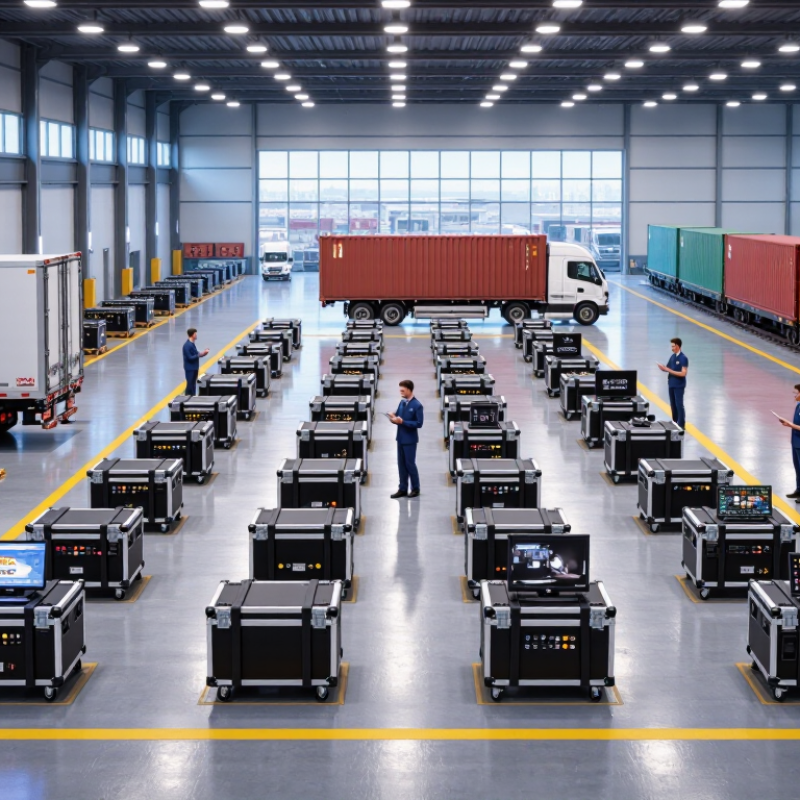
Television broadcast equipment transport describes the planned movement, protection, tracking, and handover of production technology. Its scope covers cameras, lenses, audio systems, vision mixers, servers, lighting, flypacks, cables, and fragile spares. Transport choice depends on deadlines, weight, shock sensitivity, temperature exposure, customs complexity, and venue access. It is not ordinary parcel delivery. Damage is expensive. A single connector or cooling fault can interrupt a live production.
Air freight suits urgent, high-value equipment moving between continents, while dedicated road transport supports studio relocations and outside broadcasts. Ocean freight fits heavy, non-urgent loads, especially when cases are consolidated. Courier and hand-carry services can serve small critical parts, but chain-of-custody controls must remain clear. IATA’s 2024 air cargo analysis reported an 11.3% annual rise in global cargo tonne-kilometres. This shows strong demand, not guaranteed priority handling. The World Bank’s 2023 Logistics Performance Index also identifies tracking, timeliness, and reliability as separate performance factors.
Professional scope includes shock-rated cases, humidity control, tilt indicators, serial-level inventories, insurance evidence, and route contingency plans. Experienced crews photograph case condition before loading and verify power accessories at handover. Field practice reveals a weak point: plans protect equipment but overlook setup time. That gap deserves more attention in 2026. EBU technical guidance supports continuity in media workflows, although it cannot replace shipment-specific risk assessment. The best transport type remains mission-dependent and measurable.
Road transport remains the practical choice for studio and outside broadcast equipment. It supports door-to-door delivery, controlled routing, and flexible loading schedules. American Trucking Associations’ 2023 American Trucking Trends reports that trucks carried 72.6% of U.S. freight tonnage in 2022. That share reflects road transport’s operational importance.
Broadcast loads need more than ordinary freight handling. A production truck may carry cameras, vision mixers, audio consoles, servers, tripods, cables, and fragile lenses. Shock-absorbing cases, internal bracing, humidity control, and liftgate access reduce avoidable damage.
For outside broadcasts, route surveys should check bridge limits, road width, parking access, and setup time. IABM’s 2024 BaM Content Chain research identifies remote production as a continuing investment area, increasing the need for reliable equipment mobility.
Small vans suit lightweight studio moves and urgent replacement parts. Rigid trucks work better for regional productions with several equipment cases. Articulated trailers provide capacity for complete outside broadcast systems, but turning space becomes a real constraint.
Not every route is predictable. Traffic delays, uneven loading, and rushed handovers still create risks.
A useful transport plan should record case dimensions, weights, serial numbers, temperature limits, and contact points. GPS tracking helps, but it cannot replace a careful loading inspection.
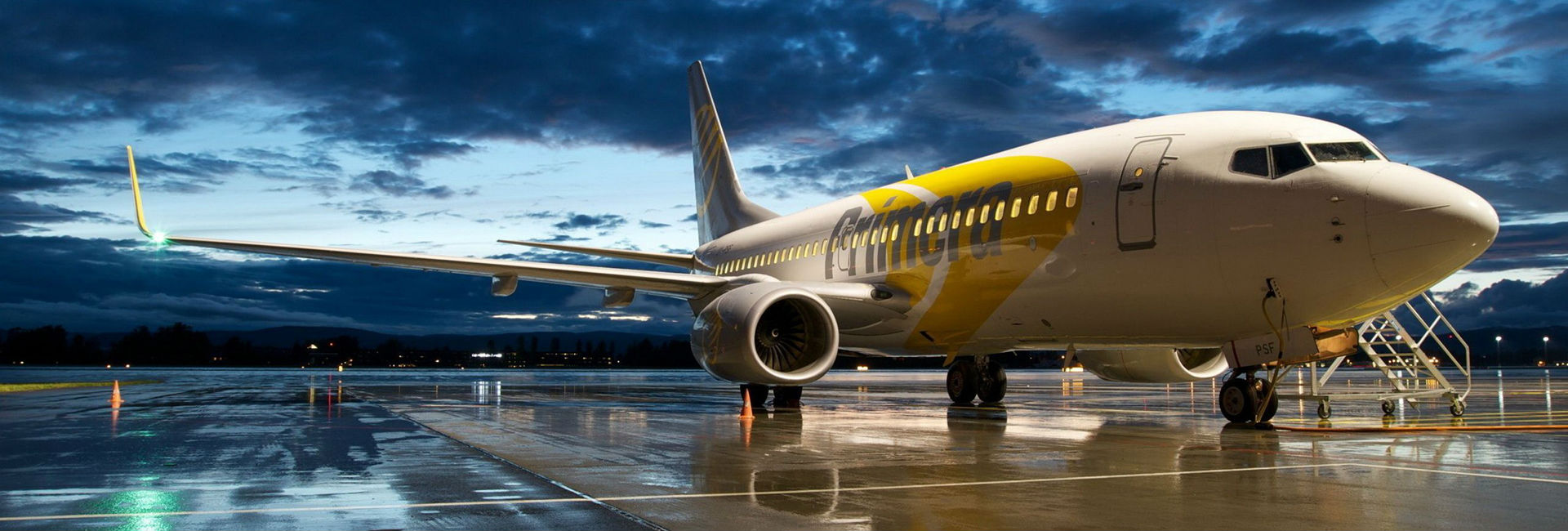
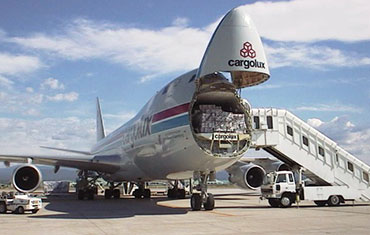
Air freight suits television equipment that must reach a venue before rehearsals begin. A delayed camera chain can disrupt an entire production schedule. Switchers, lenses, audio consoles, encoders, and replay systems need careful handling. I have seen small packing errors create expensive delays. One loose connector can stop testing for hours.
Professional shippers use custom foam inserts, moisture barriers, and rigid cases. Each case should show its weight, dimensions, and handling direction clearly. Shock and tilt indicators add useful evidence during delivery. They do not replace inspection. Staff should photograph equipment before closing each case. Serial numbers, packing lists, and insurance records support reliable handovers.
Timing requires more than booking the fastest flight. Export documents, temporary admission records, airport cutoffs, and receiving hours must align. Approved battery procedures also need attention when equipment contains rechargeable cells. A freight specialist should confirm airline rules before collection. This step is easy to overlook. Live production teams often prefer split shipments for critical systems, although that approach increases coordination and cost. Weather disruptions remain possible, so a realistic buffer protects the rehearsal window.
2026 Top Television Broadcast Equipment Transport Types
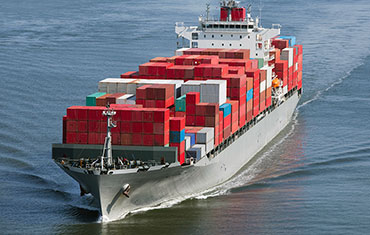
Sea and rail freight remain practical choices for large-scale television broadcast equipment shipments in 2026. They suit outside-broadcast trucks, studio cameras, lighting systems, transmission units, and production stages. Sea freight offers strong capacity for bulky crates and oversized cases. It also keeps costs more predictable on long international routes.
Rail freight can shorten inland delivery times across connected regions. It usually creates fewer handling points than road-only transport. That matters when moving camera lenses, vision mixers, audio consoles, and delicate control panels. Experienced logistics teams use shock-absorbing cases, moisture barriers, tilt indicators, and numbered inventory lists. Each crate should show its center of gravity and lifting points.
Planning must begin before the equipment leaves the warehouse. Teams should check port access, rail compatibility, customs documents, insurance terms, and final-mile restrictions. A wooden case may fit inside a container but fail at a narrow venue entrance. Small oversights become expensive.
Humidity remains a concern.
For sea shipments, desiccant packs and sealed liners help reduce condensation. Rail shipments need careful vibration control, especially on long inland routes. A route can look efficient on paper yet expose sensitive equipment to repeated transfers. My practical view is simple: choose sea freight for capacity, rail for controlled inland movement, and combine both when the schedule allows. Still, no plan is perfect. Weather delays, terminal congestion, and incorrect measurements can disrupt even well-prepared movements. Testing the packing method with one sample crate may reveal weaknesses before the full shipment moves.
| Evaluation Dimension | Sea Freight | Rail Freight | Planning Implication for Broadcast Equipment |
|---|---|---|---|
| Best-Fit Shipment Profile | Large-volume, heavy or non-urgent consignments, including multiple containers or oversized project cargo. | Time-sensitive inland or cross-border shipments that are too large for air freight but require faster delivery than standard ocean service. | Use sea freight for planned fleet movements and rail for scheduled regional replenishment or time-critical project cargo. |
| Typical International Transit Range | Approximately 25–60 days port-to-port, excluding inland collection, customs clearance and final delivery. | Approximately 12–30 days terminal-to-terminal on established transcontinental corridors, excluding first- and last-mile transport. | Build buffer time for port congestion, rail-terminal transfers, customs inspections and final-mile delivery. |
| Relative Transport Cost | Lowest for large volume Generally the most economical option when equipment can be consolidated into containers or project loads. |
Moderate Usually costs more than sea freight but less than air freight for heavy, long-distance cargo. |
Compare total landed cost rather than the line-haul rate alone, including handling, storage, insurance and inland charges. |
| Capacity for Heavy Equipment | Very high Suitable for containerized loads, machinery, production systems and properly engineered out-of-gauge cargo. |
High Suitable for containers and many heavy units, subject to route clearances, axle limits and terminal capabilities. |
Confirm gross weight, center of gravity, lifting points and route restrictions before booking either mode. |
| Capacity for Oversized Equipment | Strong capability Open-top, flat-rack and project-cargo solutions may be available for units that cannot fit standard containers. |
Route-dependent Oversized movements require advance engineering review and confirmation of bridge, tunnel and platform clearances. |
Sea freight generally offers more flexibility for unusually wide, tall or irregular broadcast structures. |
| Schedule Predictability | Moderate to low Schedules may be affected by weather, port congestion, vessel rotation changes and transshipment delays. |
Moderate More predictable on mature corridors, but affected by border crossings, network capacity and terminal congestion. |
Use milestone tracking and contingency days when equipment is required for a fixed broadcast launch or event date. |
| Handling Frequency | Usually several handoffs: origin pickup, export terminal, vessel loading, destination terminal and final delivery. | Usually fewer long-distance handling stages than sea, but terminal transfers and border procedures remain important. | Reduce handling risk with shock-resistant packing, tilt indicators, sealed cases and a documented chain of custody. |
| Risk of Vibration and Shock | Moderate Long ocean exposure, crane operations, vessel motion and repeated terminal handling require robust protection. |
Moderate Rail movement can involve vibration, coupling impacts and handling at intermodal terminals. |
Use internal cushioning, immobilization, moisture barriers and vibration-sensitive packing for cameras, servers and control electronics. |
| Environmental Exposure | High exposure to humidity, salt air and condensation during marine transport and port storage. | Lower marine exposure, but cargo may still face temperature changes, rain, dust and unheated terminal environments. | Use vapor-barrier packaging, desiccants, corrosion protection and acclimatization procedures before powering equipment. |
| Carbon-Emission Profile | Generally low per tonne-kilometer Efficient for dense, consolidated and long-distance shipments. |
Generally low per tonne-kilometer Often more energy-efficient than road transport for heavy inland movements, depending on traction and route. |
Consolidate cargo, avoid partially empty containers and select intermodal routing where it meets the delivery deadline. |
| Containerization Options | Standard dry containers, refrigerated containers for temperature-sensitive items, flat racks and open-top units may be used. | Intermodal containers and specialized rail wagons may be used, subject to loading-gauge and terminal requirements. | Select the smallest suitable load unit while maintaining safe clearance, ventilation and service-access requirements. |
| Customs and Documentation | Requires commercial invoices, packing lists, transport documents, customs declarations and possible port-specific filings. | Requires commercial invoices, packing lists, rail consignment documents, customs declarations and possible transit documents. | Prepare serial-number inventories, temporary-import paperwork and equipment-value documentation before dispatch. |
| Security Considerations | Use sealed containers, tamper-evident records and controlled access because cargo may remain in ports or depots. | Use sealed units, GPS or electronic tracking and secure terminal procedures, especially during border transfers. | Maintain an equipment manifest and photograph packing conditions before handover and after delivery. |
| Suitability for Event-Critical Equipment | Limited without large buffer Appropriate when shipped well ahead of rehearsals, installation or transmission deadlines. |
Suitable with contingency planning Can support scheduled deployments when the route has dependable capacity and border processes. |
For immovable deadlines, consider a split strategy: send primary equipment by rail and retain critical spares locally or use faster transport. |
| Recommended Use in 2026 | Bulk movement of studio systems, outside-broadcast vehicles' components, staging hardware, cabling and non-urgent technical inventory. | Regional deployment of production equipment, replacement systems, transmission hardware and project cargo requiring a shorter lead time. | Choose the mode according to deadline, cargo dimensions, route reliability, handling risk and total landed cost. |
Choosing a Transport Type for Television Broadcast Equipment
Transport choice starts with risk, not convenience. A studio camera may survive a padded case, while a vision mixer needs a shock-mounted rack. Road cases suit repeated venue moves and rough loading docks. Soft cases reduce weight for local transport, but they offer less protection. For international flights, use certified air-cargo packaging with moisture barriers and clear handling labels. The International Air Transport Association reports that air cargo carries over 60 million tonnes yearly and represents about 35% of global trade by value. That scale shows why weight and documentation matter.
The 2024 MarketsandMarkets Broadcast Equipment report projects steady market growth through 2029. More equipment is moving between temporary production sites. This increases pressure on crews, vehicles, and packaging decisions. Measure the equipment first. Then check vibration exposure, travel distance, loading access, and replacement cost. A flight case can protect a recorder, yet its weight may raise freight costs sharply. I still see teams choosing maximum protection for every item. That feels safe, but it is not always efficient.
Tips: Use shock-mounted racks for servers, replay systems, and control units. Choose padded cases for short local trips. Add desiccant packs during humid travel. Photograph cable layouts before packing. Leave a small clearance around connectors. Test wheels, latches, and handles before departure. Review the choice after each tour; real damage patterns may challenge your first assumption.
Choosing a Transport Type for Television Broadcast Equipment
The chart uses a 0–100 planning score based on commonly recognized logistics factors: delivery speed, protection from handling shocks, cost efficiency, and suitability for oversized or heavy equipment. Air freight and express courier services are generally preferred for urgent, compact, high-value equipment such as cameras, lenses, and control units. Road transport is usually the most flexible choice for regional production equipment, while sea and rail transport are more suitable for heavy, non-urgent shipments such as staging structures, cable packages, and large production systems.
Sea freight suits bulky crates, oversized cases, lighting systems, and production stages. It offers strong capacity on long international routes. Costs are often more predictable. However, port delays can disrupt schedules.
Rail freight works well for inland delivery across connected regions. It can reduce handling compared with road-only transport. This benefits lenses, audio consoles, mixers, and control panels. Vibration still requires careful monitoring.
Yes. Sea freight can handle the long route, while rail moves equipment inland. This combination balances capacity and controlled inland transport. The schedule must allow transfers. No plan is perfect.
Use shock-absorbing cases, moisture barriers, and tilt indicators. Mark each crate’s center of gravity and lifting points. Number every case on an inventory list. Test one crate.
Add desiccant packs and sealed liners for sea shipments. Moisture barriers also help during air transport. Keep connectors slightly clear inside their cases. Humidity remains a concern.
Check port access, rail compatibility, customs documents, insurance terms, and final-mile restrictions. Measure every crate and venue entrance. A case may fit inside a container but fail at a narrow doorway. Small oversights become expensive.
Road cases suit repeated venue moves and rough loading docks. Soft cases are lighter for local trips but provide less protection. Shock-mounted racks protect servers, replay systems, and control units. Maximum protection is not always efficient.
Consider vibration exposure, travel distance, loading access, weight, and replacement cost. A padded case may protect a camera during a short local trip. A heavy flight case can sharply increase freight costs. My first choice may be wrong.
Test wheels, latches, handles, and rack mounts. Photograph cable layouts before packing. Confirm clearance around connectors. Review damage patterns after every tour. Real results may challenge the original plan.
Weather delays, terminal congestion, incorrect measurements, and repeated transfers can cause problems. A route may look efficient on paper yet expose equipment to vibration. A sample crate test can reveal weak packaging early. Plans need revision.
Television Broadcast Equipment Transport refers to the planning and movement of cameras, production consoles, lighting systems, transmission devices, staging components, and other specialized tools used in television production. Because these items can be sensitive, valuable, oversized, or time-critical, transport planning must consider packaging, handling, security, environmental protection, delivery schedules, and equipment dimensions from the start.
Road transport is often suitable for studio systems and outside broadcast equipment because it offers flexible routing and direct site delivery. Air freight can support urgent projects or replace delayed equipment when speed is essential, although capacity, cost, and handling requirements must be evaluated carefully. For large-scale shipments, sea freight and rail transport may provide economical solutions when transit time is less critical. The best Television Broadcast Equipment Transport method depends on equipment size, urgency, destination, budget, required protection, and the coordination needed between production teams, logistics providers, and receiving locations.