
Expert articles, shipping guides, customs compliance tips, and global supply chain updates.
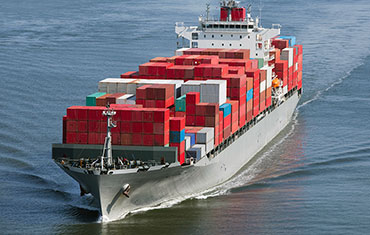
Comprehensive solutions and industry news for modern importers and exporters.
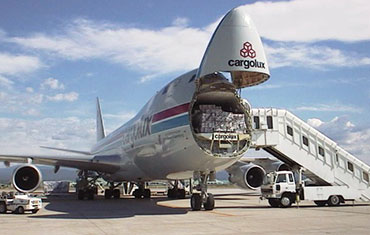
Stay informed with the latest customs broker advice and international shipping updates.
Moving beverages across borders requires more than booking a vessel and loading pallets. Beverage Cargo Shipping involves fragile packaging, changing temperatures, customs procedures, and strict delivery schedules. A glass bottle may survive loading but crack after several days of vibration. Cartons can weaken when humidity rises inside a container.
Safe preparation begins with the product itself. Teams should confirm the beverage type, packaging strength, shelf-life, labeling, and recommended storage range. Temperature-sensitive drinks may need insulated packaging, reefer containers, or data loggers. Shock indicators can reveal rough handling. Moisture-absorbing materials may protect cartons during long ocean routes. Small details matter.
Experienced freight professionals also check export documents, commercial invoices, packing lists, certificates, and destination requirements. Every detail should match the physical cargo. One incorrect quantity can delay clearance. One missing document can disrupt a retail launch. Reliable carriers provide container inspection records, seal numbers, tracking updates, and emergency contacts.
Yet no shipping plan is perfect. Weather changes. Port congestion appears without warning. Even careful teams can overlook a weak corner on a pallet. That is why risk reviews should include backup routes, stronger load securing, and realistic delivery windows. Regular communication between producers, freight forwarders, carriers, and receivers creates accountability.
This guide explains practical methods for protecting beverage cargo from warehouse loading to final delivery. It focuses on preparation, packaging, temperature control, documentation, tracking, and damage prevention. The goal is not simply to move products internationally. It is to deliver them safely, legally, and in acceptable condition.
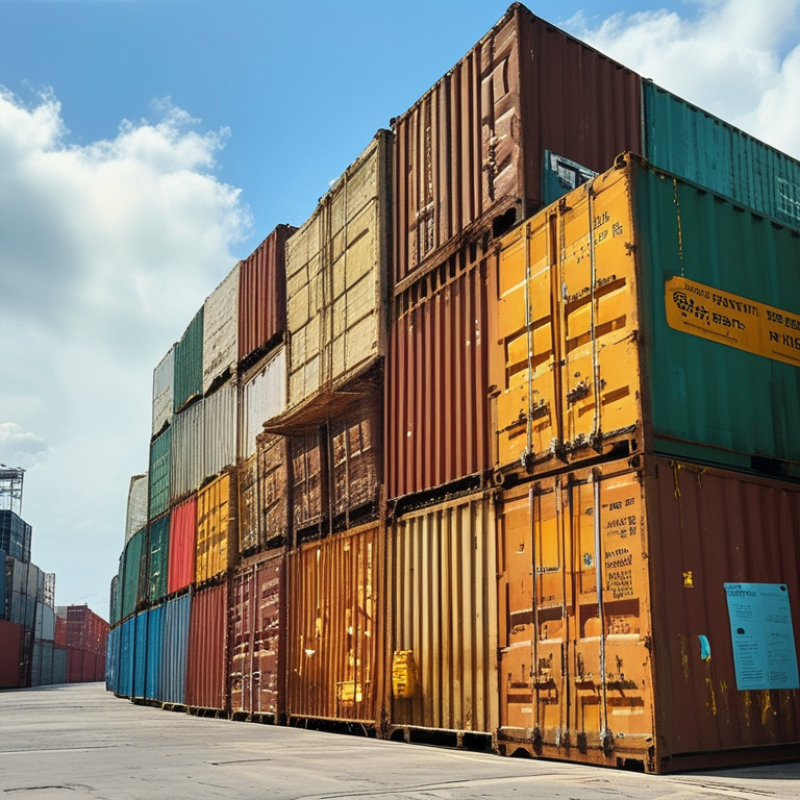
Beverage classification starts with the correct Harmonized System code. Beer commonly falls under HS 2203, wine under HS 2204, and spirits under HS 2208. These headings are only starting points. Ingredients, processing methods, alcohol content, and destination-country rules can change the final code. A customs broker should verify the full tariff subheading before booking cargo.
ABV matters, but it does not decide everything. Low-alcohol drinks may avoid dangerous-goods treatment under many transport rules, while stronger products can require IMDG classification. Alcoholic beverages above 24% and up to 70% ABV may fall under UN 3065, depending on the product and packaging. Products above 70% ABV may require another UN entry, such as an ethanol solution classification. Check the current IMDG Code, safety data, and carrier requirements.
Packaging still deserves close attention. Use leak-resistant inner containers, strong outer cartons, and sufficient cushioning around glass bottles. Mark cartons clearly, and keep labels consistent with the declaration. A mismatch between the invoice, HS code, ABV, and dangerous-goods documents can delay loading. Classification is not always tidy. A spreadsheet can hide a wrong assumption. Recheck alcohol content after blending, and confirm whether the carrier applies stricter limits than the minimum legal rule.
International beverage shipping should begin with a validated temperature band, not a generic “keep cool” instruction. For chilled products, specify 2–8°C; frozen cargo needs ≤−18°C; shelf-stable products may travel at ambient temperature only after stability review. The band must match the formulation, packaging, transit duration, and loading conditions. Write it into the shipment plan. The FAO’s 2019 State of Food and Agriculture reported that 14% of food is lost between harvest and retail. Beverage losses may appear as sediment, flavor changes, swollen containers, or hidden microbial risk. Temperature is not the only variable.
Use calibrated data loggers at the warmest and coldest points, with readings taken throughout the route. The Global Cold Chain Alliance’s 2023 report estimated worldwide refrigerated warehouse capacity at about 719 million cubic meters. Capacity alone cannot validate a shipping lane. Before dispatch, test real transfer times, door openings, and expected weather. At handover, inspect seals, pallet airflow, logger status, and condensation. If a reading leaves the band, quarantine the affected lot and investigate before release. Do not quietly average the numbers. That shortcut can hide a damaging warm period. A validated plan can still fail when teams treat ambient cargo as automatically safe.
| Validated Temperature Band | Typical Beverage Categories | Primary Shipping Risks | Recommended Packaging and Equipment | Monitoring Requirements | Corrective Action During Transit |
|---|---|---|---|---|---|
| Chilled: 2–8°C | Pasteurized dairy beverages, fresh juices, cold-brew beverages, probiotic drinks, and other products whose specifications require refrigeration. | Microbial growth if the cold chain is broken; quality loss from repeated warming and cooling; freezing damage if the cargo is exposed to temperatures below its validated limit. | Pre-cooled product, insulated secondary packaging, suitable refrigerant packs, refrigerated vehicles or containers, and airflow space around cartons. Prevent direct contact between frozen refrigerants and sensitive bottles. | Use calibrated data loggers in representative locations, including the warmest and coldest areas of the load. Record product temperature at packing, handover, arrival, and after any customs delay. | Place the shipment on hold if the validated limit is exceeded; inspect logger records and product condition; obtain quality approval before release. Reject or investigate cargo when safety or package integrity cannot be confirmed. |
| Frozen: ≤−18°C | Frozen fruit beverages, frozen beverage concentrates, frozen smoothie bases, and products specifically validated for frozen distribution. | Partial thawing and refreezing; texture and flavor changes; container cracking caused by expansion; temperature rise during loading, transshipment, or customs inspection. | Fully frozen product, thermal insulation, adequate dry ice or mechanical refrigeration where permitted, moisture-resistant cartons, and sufficient pallet protection. Confirm that the packaging can tolerate low temperatures. | Use continuous temperature logging with alarms where available. Verify refrigerant quantity, equipment operation, door openings, and temperature at each custody transfer. | Move the cargo to a qualified frozen storage facility if the limit is exceeded. Assess thawing, leakage, seal condition, and remaining shelf life before deciding whether to release, rework, or dispose of the shipment. |
| Ambient: Defined Product Limit | Shelf-stable UHT beverages, retort-processed drinks, unopened canned beverages, powdered drink mixes, and products validated for non-refrigerated transport. | Excessive heat, freezing, sunlight, humidity, condensation, package deformation, and accelerated quality deterioration. Ambient does not mean unrestricted temperature exposure. | Use clean, dry, ventilated containers; moisture-resistant outer cases; pallet stretch wrap; corner protection; and thermal covers or reefer protection when seasonal conditions require it. Keep cargo away from heat sources and direct sunlight. | Define and document the product-specific maximum and minimum temperature before booking. Use temperature indicators or data loggers for long routes, hot climates, winter routes, and multimodal shipments. | Inspect for swelling, leakage, corrosion, label damage, and seal failure. Compare recorded exposure with the product specification and obtain quality disposition before accepting affected cargo. |
| All Temperature Bands | Any beverage shipment requiring controlled storage or transport conditions. | Incorrect product classification, insufficient remaining shelf life, transit delays, customs holds, poor handover control, inaccurate temperature readings, and damaged pallets. | Use approved packaging configurations, stable pallet patterns, tamper-evident seals, readable handling labels, and a documented contingency plan for delayed delivery or equipment failure. | Calibrate monitoring devices at defined intervals; document set point, acceptable excursion limits, logger location, chain of custody, shipment times, and receiving inspection results. | Quarantine any shipment with an unexplained excursion or physical damage. Preserve records, notify the responsible quality and logistics teams, investigate the root cause, and document the final disposition. |
Note: The temperature bands shown above are operational examples. The product specification, validated stability data, applicable food-safety requirements, and destination-country regulations should determine the final shipping limits.
Export packaging should be designed around ISTA 3A, ISO 780, and pallet load ratings. ISTA 3A testing simulates parcel handling, including drops, vibration, and compression. For beverage cases, test the heaviest realistic configuration, not only an empty sample. Glass bottles need dividers, cushioning, and controlled movement. Cans still need protection from panel crushing and seam damage. Small gaps can become expensive failures.
ISO 780 handling marks should remain visible after wrapping and warehouse handling. Use clear symbols for this way up, keep dry, and fragile contents where appropriate. Marks cannot replace strong packaging. They only communicate handling needs. Select pallets with verified static and dynamic load ratings. Consider beverage weight, stacking height, humidity, and uneven floors. A pallet that survives a warehouse may fail inside a damp container.
Practical trials should record carton compression, pallet deflection, bottle breakage, leakage, and label damage. Photograph failures. They reveal patterns that inspection alone may miss. Stretch film should stabilize the load without crushing cartons. Corner boards and anti-slip sheets often improve stability, but they require testing. I would not trust a single successful shipment. Packaging assumptions can be wrong, especially after seasonal humidity changes. Re-test when bottle shape, closure, case dimensions, or pallet patterns change. Good documentation also helps engineers explain why a design passed, and where it still needs improvement.
International beverage shipments often fail at paperwork, not at sea. A complete customs file starts with a clear commercial invoice. List the seller, buyer, currency, payment terms, Incoterms, origin, and precise product description. For each beverage, include bottle size, case count, unit value, and total value. Do not hide behind broad wording such as “food products.” Customs officers need usable detail.
The packing list should match the physical pallets exactly. Record pallet numbers, carton quantities, net weight, gross weight, dimensions, and batch or lot codes. A mismatch can delay release or trigger a physical inspection. The Certificate of Origin should identify the producer, goods, and qualifying origin clearly. Use the correct issuing process for the destination country. Small errors matter.
HS data deserves careful review. Beverages may classify differently because of ingredients, alcohol content, packaging, or preparation method. Never copy an old HS code without checking current customs guidance. Ask a licensed customs professional to validate the code and duty treatment. Keep scanned documents, version dates, and correspondence in one shipment folder. Shipping teams often prepare everything correctly, then overlook a weight discrepancy. That lesson remains uncomfortable. A final document-to-pallet check is slower, but safer.
How to Ship Beverage Cargo Internationally Safely?
Temperature control does not end when the truck leaves the warehouse. Beverage shipments may face loading delays, airport tarmac exposure, cold rooms, and customs inspections. EN 12830 temperature loggers provide time-stamped evidence throughout this journey. Choose a logger suitable for the expected range, duration, and transport conditions. Confirm its calibration status before use. Place it where the cargo is most vulnerable, not where airflow is convenient. Near the center of a pallet may be useful, but product packaging and airflow must also be considered. Record the logger ID, start time, shipment number, and required temperature range.
Review every excursion before release. A single high reading does not automatically mean product failure. Check its duration, location, sensor accuracy, and the beverage’s approved stability data. Compare the graph with loading records, flight times, and warehouse temperatures. A short spike during door opening may differ from several hours in a warm container. Do not rely on a green dashboard alone. Human review matters. In practice, missing handover records can weaken an otherwise good investigation. That is an uncomfortable lesson. Keep the original data, inspection notes, and release decision together. If evidence remains unclear, hold the cargo and seek qualified quality assessment before distribution.
It identifies the product for customs, duties, and documentation. Beer often uses HS 2203, wine HS 2204, and spirits HS 2208. These headings are only starting points. Ingredients, processing, alcohol content, and destination rules may change the final code. A customs broker should verify the complete tariff subheading.
No. Alcohol by volume is important, but packaging and transport rules also matter. Lower-alcohol beverages may avoid dangerous-goods treatment under some rules. Products above 24% and up to 70% ABV may require a specific dangerous-goods classification. Products above 70% ABV may need another classification. Check the current transport code and carrier requirements.
The invoice, HS code, ABV, product description, and dangerous-goods documents must tell the same story. A mismatch can delay loading or customs clearance. Check the details. Do not guess. Recheck the alcohol content after blending, especially when recipes change.
Use leak-resistant inner containers, strong outer cartons, and cushioning around every glass bottle. Keep bottles separated from hard carton edges. Mark cartons clearly and consistently. A small leak can damage nearby cargo. Packaging may look strong, yet one loose bottle can still fail.
Chilled products should normally use a validated range of 2–8°C. The range must match the formulation, packaging, route length, and loading conditions. Write it into the shipment plan. “Keep cool” is too vague. It leaves room for different interpretations.
Frozen cargo should generally remain at or below −18°C. Test transfer times, door openings, weather, and loading conditions before dispatch. Use calibrated data loggers at warm and cold points. A cold warehouse does not prove that the entire route is safe.
They may travel at ambient temperature after a stability review. The review should consider formulation, packaging, transit duration, and expected heat exposure. Ambient does not mean risk-free. Flavor changes, swollen containers, sediment, or microbial concerns may appear later.
Quarantine the affected lot and investigate before release. Inspect seals, pallet airflow, logger status, and condensation at handover. Do not quietly average the readings. An average can hide one damaging warm period. The plan may still fail. Review the route and correct weak steps.
Safe Beverage Cargo Shipping begins with accurate classification. Each product should be reviewed by its HS code, alcohol-by-volume level, and applicable dangerous-goods status under international maritime requirements. This assessment determines documentation, handling procedures, labeling, and transport restrictions. Before dispatch, select a validated temperature range: 2–8°C for chilled beverages, no higher than −18°C for frozen goods, or a controlled ambient range when refrigeration is unnecessary. Clear instructions should be shared with carriers and handling teams.
Packaging must be designed for international movement, including impact protection, moisture resistance, stable palletization, and load limits verified through appropriate transport testing and handling standards. Customs files should include a commercial invoice, packing list, certificate of origin, and consistent HS information. Temperature should be monitored with compliant data loggers, and every recorded excursion must be investigated and approved before the shipment is released, protecting product quality and supporting reliable customs clearance.