
Expert articles, shipping guides, customs compliance tips, and global supply chain updates.

Comprehensive solutions and industry news for modern importers and exporters.
Stay informed with the latest customs broker advice and international shipping updates.
Moving a 40-ton excavator is not ordinary transport. It is a coordinated operation involving engineering, scheduling, documentation, and careful communication. Industrial Heavy Equipment Freight demands more than finding an available truck. Every shipment begins with accurate measurements, verified weight, and a realistic understanding of the equipment’s center of gravity.
Chris Spear, president and CEO of the American Trucking Associations, has said, “Trucking is the backbone of our economy.” His statement reflects the responsibility behind every heavy-haul movement. A lowboy trailer, escort vehicle, loading crew, and route planner must work from the same information. A bridge clearance that looks sufficient on paper may become a problem after fuel, cargo height, and road conditions are considered.
Small details create large consequences.
This guide presents ten practical tips for safer, more predictable Industrial Heavy Equipment Freight. It covers route surveys, trailer selection, load securement, weather planning, delivery-site preparation, and communication with carriers. It also explains why photographs, verified dimensions, and contingency planning matter before the truck moves.
Experienced teams still make assumptions. That is where problems begin. A machine may fit the trailer but fail a turning-radius check. A delivery yard may look spacious but lack stable ground for unloading. Some planning decisions seem excessive until a delay, damaged component, or missed appointment exposes the weakness.
No checklist is perfect. However, a disciplined process reduces uncertainty, protects valuable machinery, and helps each shipment arrive in workable condition. Reliable freight planning is not about rushing the first mile. It is about preparing every mile.
Define the Equipment’s Dimensions, Weight, and Freight Requirements
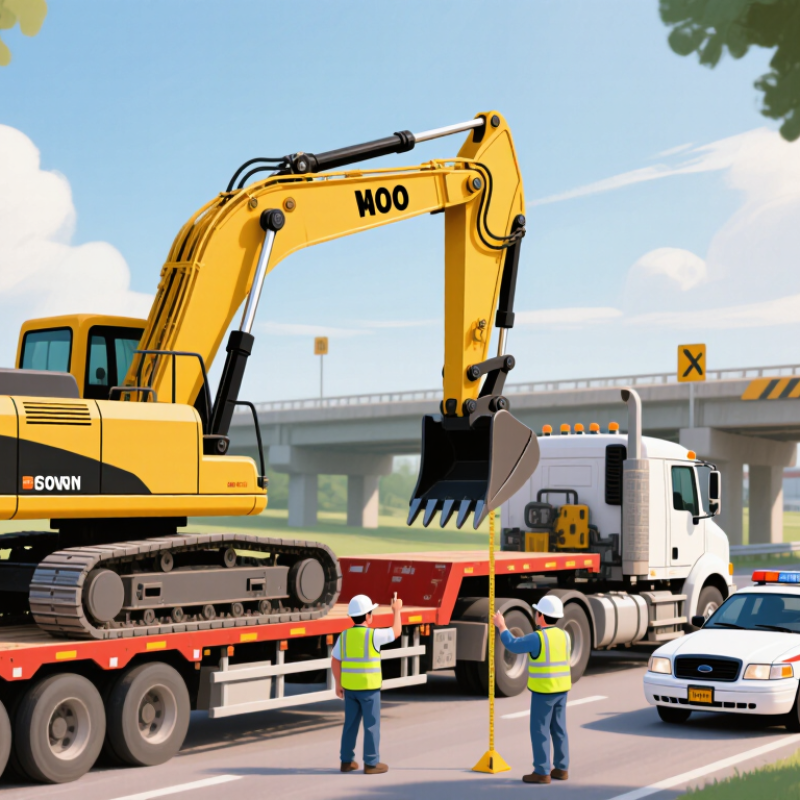
Heavy equipment shipping starts with accurate measurements, not assumptions. Record the machine’s total length, width, height, and operating weight. Include attachments, fluids, loose tools, and removable parts. A small height error can create a serious route problem. Measure twice. Write everything down.
Tip: Photograph the equipment beside a measuring tape. Tip: Confirm the center of gravity and axle loads. Tip: Use a certified scale when possible. Tip: Check whether attachments should travel separately. Tip: Note lifting points, tie-down locations, and ground clearance. These details help freight planners select suitable trailers, ramps, and loading equipment. They also reduce last-minute changes, which are often expensive.
Freight requirements depend on more than gross weight. Explain the equipment’s shape, balance, surface condition, and loading method. Mention whether a crane, winch, or specialized ramp is needed. Share clear drawings and recent photos with the carrier. I have seen rough estimates appear acceptable, then fail during loading. That mistake is avoidable, though not always obvious. Tip: Confirm trailer capacity and deck dimensions. Tip: Review securement requirements before pickup. Tip: Check route restrictions for height and width. Tip: Allow space for safe loading. Tip: Recheck every figure before booking. Accurate information makes the transport plan safer, more predictable, and easier to verify.
Before requesting a freight quote, record the equipment’s transport length, width, height, and operating weight. These representative industry ranges help identify when specialized trailers, route surveys, permits, or escorts may be required.
Reference values are typical non-brand equipment specifications for freight planning only. Actual shipping dimensions may change with attachments, counterweights, folded booms, fuel levels, and removable components. Confirm the certified transport dimensions and local legal limits before dispatch.
Heavy equipment freight begins with the machine, not the truck. Measure height, width, length, weight, axle spacing, and lifting points before requesting a quote. A tracked excavator may suit a lowboy trailer, while a taller crane component may require route-specific permits or partial disassembly. For overseas moves, ocean freight often offers better capacity than air freight. UNCTAD’s Review of Maritime Transport reports that ships carry over 80% of global merchandise trade by volume. That scale can support large machinery, but port handling adds risk.
Choose a carrier with proven experience in oversized and project cargo. Ask for evidence of route surveys, securement procedures, cargo insurance, and previous equipment similar to yours. The U.S. Federal Highway Administration notes that bridge clearances, weight limits, and roadway geometry can affect permitted routes. Small details matter. A folded mirror can still exceed a legal width.
ATRI’s 2023 operational cost report placed average trucking costs near $2.26 per vehicle mile. That figure is not an oversized-load quote, but it helps reveal why permits, escorts, fuel, and specialized trailers change the budget. I still recheck every dimension after loading. It sounds excessive. It is cheaper than discovering a low bridge halfway through the route. A strong carrier should also provide milestone updates, photographs, and a named operations contact. Availability alone is not expertise.
Moving industrial heavy equipment begins long before the truck arrives. Permits, route surveys, and regulatory documents must match the actual load. Confirm the machine’s height, width, length, weight, and axle distribution from current measurements. Do not rely on an old specification sheet. Small changes matter. Hydraulic attachments, loose components, and fuel levels can alter clearance or legal weight. An experienced project coordinator should compare these figures with local transport rules.
A route survey turns paperwork into a practical movement plan. Inspect bridge limits, low wires, narrow turns, steep grades, construction zones, and weak shoulders. Record clearance measurements at the planned loading height. Photos help, but they cannot replace field verification. Check detours, rest areas, and safe stopping points before dispatch. One missed low sign can delay an entire convoy. That delay can also increase storage and labor costs. Use qualified survey personnel when the equipment exceeds ordinary road dimensions.
Regulatory documentation should be complete, readable, and available to every responsible party. Prepare permits, vehicle registrations, insurance evidence, cargo dimensions, weight tickets, and approved travel windows. Include escort details, communication procedures, and emergency contacts where required. Send copies to the carrier, driver, survey team, and site contacts. Verify expiration dates and permit conditions shortly before departure. I once assumed a permit covered a revised delivery date. It did not. That mistake forced a reschedule and exposed a weak review process. Build a final document check into loading day. Ask a second reviewer to challenge every route assumption.
10 Tips for Industrial Heavy Equipment Freight
Secure, Protect, and Load Heavy Equipment for Transit
Heavy equipment survives transit only when its weight, movement, and vulnerable surfaces are understood before loading. Walk around the machine and record its height, width, weight, center of gravity, and lifting points. Check tires, tracks, hydraulic lines, doors, attachments, and loose tools for damage or movement. Measure twice. Confirm the trailer deck is clean, dry, and rated for the machine’s actual load. Load slowly, keeping the center of gravity low and aligned with the trailer. If visibility is poor, use a spotter and stop when signals become unclear.
Use inspected chains, binders, straps, chocks, and blocking suited to the equipment and transport conditions. Attach restraints only to approved structural points, never to handrails, hydraulic cylinders, or fragile panels. Protect sharp edges with durable corner guards, then tension restraints evenly without crushing hoses or painted surfaces. Leave no slack. After the first few miles, stop in a safe location and inspect every restraint. Vibration can settle blocking, loosen binders, and expose a weakness that looked minor at departure. Take clear photos before departure and after inspection. Keep it visible.
Cover sensitive controls and openings with breathable protection, but avoid trapping rain beneath sealed plastic. Secure the cover against wind, especially around mirrors, exhaust outlets, and exposed wiring. Use wheel chocks even when restraints appear sufficient. Review the load against the route, weather, bridge clearances, and applicable transport requirements. Small oversights become expensive. A rushed loading job may look professional while hiding poor weight distribution or an untested attachment point. That is worth challenging before the truck moves.
| Tip | Freight Planning Area | Recommended Data or Target | Required Action Before Transit | Practical Guidance |
|---|---|---|---|---|
| 1 | Confirm Equipment Specifications | Record operating weight, overall length, width, height, and center of gravity. Use verified manufacturer specifications | Compare the shipping dimensions with the actual equipment, including attachments, counterweights, booms, forks, and buckets. | Accurate dimensions determine the trailer type, route clearance, loading method, permits, axle placement, and tie-down requirements. Do not rely solely on model estimates or outdated fleet records. |
| 2 | Select the Correct Trailer | Trailer capacity must exceed the verified cargo weight, with suitable deck length, width, height, and axle capacity. Include a safety margin | Verify deck rating, ramp capacity, kingpin and axle limits, loading angle, and available tie-down points. | A lowboy, step-deck, flatbed, or specialized heavy-haul trailer may be required depending on height, weight distribution, and ground clearance. Confirm legal dimensions and axle loading for the intended route. |
| 3 | Inspect and Prepare the Machine | Check tires, tracks, brakes, steering, hydraulic systems, doors, guards, and removable components. Document condition with photos | Repair leaks, remove loose tools, secure access panels, and identify any existing damage before loading. | A pre-shipment inspection creates a reliable condition record and reduces the risk of fluid contamination, lost components, or disputes at delivery. |
| 4 | Control Fluids and Energy Sources | Follow the equipment manual and applicable transport regulations for fuel, batteries, compressed gas, and hydraulic systems. Prevent leakage and movement | Shut down the engine, engage the parking brake, isolate or protect batteries when required, and secure fuel or fluid caps. | Drain or reduce fluids only when required by the carrier, destination, or applicable regulations. Protect vents and openings without creating pressure or fire hazards. |
| 5 | Protect Vulnerable Components | Use guards, covers, padding, corrosion protection, and weather-resistant wrapping appropriate to the equipment. Protect against impact and moisture | Cover operator stations, instruments, electrical connectors, exhaust openings, glass, hydraulic fittings, and exposed finished surfaces. | Use breathable covers where condensation could accumulate. Do not block safety-related vents or apply plastic directly to hot components. Secure all protective materials so they cannot flap or detach. |
| 6 | Load on a Stable Centerline | Keep the center of gravity low and distribute weight within the trailer’s permitted axle limits. Prevent imbalance and shifting | Place the machine according to the approved loading plan and verify axle weights after positioning. | Maintain adequate clearance from trailer edges and ensure ramps, blocks, and deck surfaces are clean and dry. Use spotters and a controlled loading speed during loading and unloading. |
| 7 | Block and Immobilize the Equipment | Use suitable wheel chocks, wedges, cradles, or blocking designed for the equipment weight. Stop rolling and sliding | Lower booms, blades, buckets, and other movable assemblies onto approved supports; lock articulation points and suspension systems where applicable. | Blocking supplements tie-downs and should not be treated as a substitute for them. Never place blocking where it can damage tracks, tires, hydraulic lines, or structural members. |
| 8 | Use Rated Tie-Down Equipment | The combined Working Load Limit of the tie-down system should meet or exceed applicable legal requirements; in the United States, a common federal baseline is at least 50% of cargo weight. Use labeled, undamaged gear | Select chains, binders, straps, edge protectors, and anchor points with compatible ratings and inspect them before use. | Attach tie-downs to approved structural points, not to fragile guards, handrails, hydraulic cylinders, or removable panels. Follow the stricter requirement when local rules, shipper instructions, or the equipment manual differ. |
| 9 | Secure Against Multiple Directions | Restrain forward, rearward, lateral, and vertical movement using independent tie-down paths where appropriate. Check every movable assembly | Tighten tie-downs evenly, protect straps from sharp edges, and secure detached attachments separately. | Recheck the load after the first short distance and during scheduled stops. Vibration, settling, temperature changes, and wet surfaces can reduce tension or expose shifting. |
| 10 | Complete the Final Transit Review | Verify permits, route restrictions, warning signs, documentation, tie-down condition, and delivery instructions. Perform a documented final check | Confirm overall height and width, inspect all securement points, photograph the loaded unit, and record the inspection time and responsible person. | Review bridge, road, overhead-clearance, weather, and construction restrictions before departure. Carry equipment details, emergency contacts, shipping documents, and any required permits with the transport crew. |
10 Tips for Industrial Heavy Equipment Freight
Track Delivery and Complete Safe Unloading at the Destination
A delivery plan should follow the equipment from dispatch to the unloading area. Live location updates help teams prepare gates, labor, and lifting equipment before arrival. Confirm the driver’s route, estimated arrival time, and any changes caused by weather or road restrictions. A simple check-in call can prevent a costly surprise.
Tracking alone is not enough. I have seen crews trust a dashboard while the vehicle waited at an unmarked entrance. Record the delivery address, contact person, site map, and unloading instructions in one accessible file. Share updated details with the driver and receiving team. Keep communication clear. Small errors become dangerous near heavy machinery.
Inspect the ground before unloading. Look for soft soil, overhead cables, drainage openings, and limited turning space. Use rated ramps, wheel chocks, lifting points, and suitable personal protective equipment. Establish an exclusion zone, then assign one trained spotter to guide the movement. Nobody should stand beneath suspended equipment or between the load and a fixed object. Stop immediately if the machine shifts, the ramp moves, or visibility becomes poor. Take photos of the equipment and its condition before removing restraints. My process still needs improvement; sometimes teams focus so heavily on speed that they overlook a small site hazard. Careful unloading is slower, but it protects people, equipment, and the delivery record.
Record total length, width, height, operating weight, attachments, fluids, tools, and removable parts. Measure twice. Write everything down.
A small height error can create a route problem near bridges or covered loading areas. Rough estimates may look acceptable, then fail during loading.
Photograph the equipment beside a measuring tape. Use a certified scale when possible. Confirm axle loads and the center of gravity.
Explain the machine’s balance, shape, ground clearance, and loading method. Mention whether a crane, winch, or specialized ramp is required.
Confirm deck dimensions, load capacity, and surface condition. The deck should be clean, dry, and rated for the actual equipment weight.
Use approved structural points only. Never attach restraints to handrails, hydraulic cylinders, hoses, or fragile panels.
Cover controls and openings with breathable protection. Secure covers against wind, especially near mirrors, exhaust outlets, and exposed wiring.
Stop at a safe location after the first few miles. Inspect restraints, blocking, chocks, and attachments. Vibration can loosen a careful-looking load.
A rushed job may hide poor weight distribution or an untested attachment point. Stop and reassess. The plan is not always as sound as it appears.
Industrial Heavy Equipment Freight requires careful planning, accurate information, and coordinated execution from pickup to final delivery. Begin by documenting the equipment’s exact dimensions, total weight, center of gravity, lifting points, and any special handling requirements. Use these details to select a suitable transport method and an experienced carrier with the right trailers, loading tools, and safety procedures. Before shipment, confirm permits, route surveys, clearance limitations, escort needs, and all required regulatory documents.
Proper preparation helps prevent damage, delays, and safety risks. Inspect the equipment, secure movable components, protect vulnerable surfaces, and use suitable restraints and blocking during loading. Throughout transit, maintain clear communication and monitor progress so potential issues can be addressed promptly. At the destination, verify the unloading area, confirm that lifting equipment is ready, and complete unloading slowly under controlled conditions. A final inspection and delivery confirmation ensure the equipment arrives safely, securely, and ready for its next stage of use.