
Expert articles, shipping guides, customs compliance tips, and global supply chain updates.
Comprehensive solutions and industry news for modern importers and exporters.
Stay informed with the latest customs broker advice and international shipping updates.
Shipping Mining Equipment Project Cargo in 2026 requires more than booking a vessel and arranging a truck. Excavators, crushers, drilling rigs, and conveyor systems often exceed standard dimensions. Their weight can also challenge roads, bridges, cranes, and port infrastructure. A reliable plan begins with verified measurements, accurate weights, lifting points, and the equipment’s center of gravity.
In practice, project cargo moves through several connected decisions. Engineers review route surveys before transport begins. Freight specialists compare breakbulk, RoRo, and heavy-lift vessel options. Customs teams check commercial invoices, packing lists, certificates, and import requirements. Local authorities may require road permits, escort vehicles, bridge assessments, or temporary traffic controls. Weather deserves attention too. Rain can weaken unpaved access roads, while strong winds may delay crane operations.
No plan is flawless. Some assumptions will be wrong. A supplier may provide incomplete dimensions, or a port may revise its handling window. This is why experienced teams build practical buffers into schedules and budgets. They confirm details repeatedly, photograph loading points, and document every handover. Risk reviews should address cargo securing, corrosion protection, insurance responsibilities, and emergency communication. Safety remains non-negotiable, especially when lifting machinery near workers and public roads.
This guide explains how to prepare Mining Equipment Project Cargo for safer, more predictable delivery in 2026. It focuses on planning discipline, transparent communication, and measurable control. The goal is not merely to move heavy machinery. It is to protect people, equipment, timelines, and the investment behind the project.
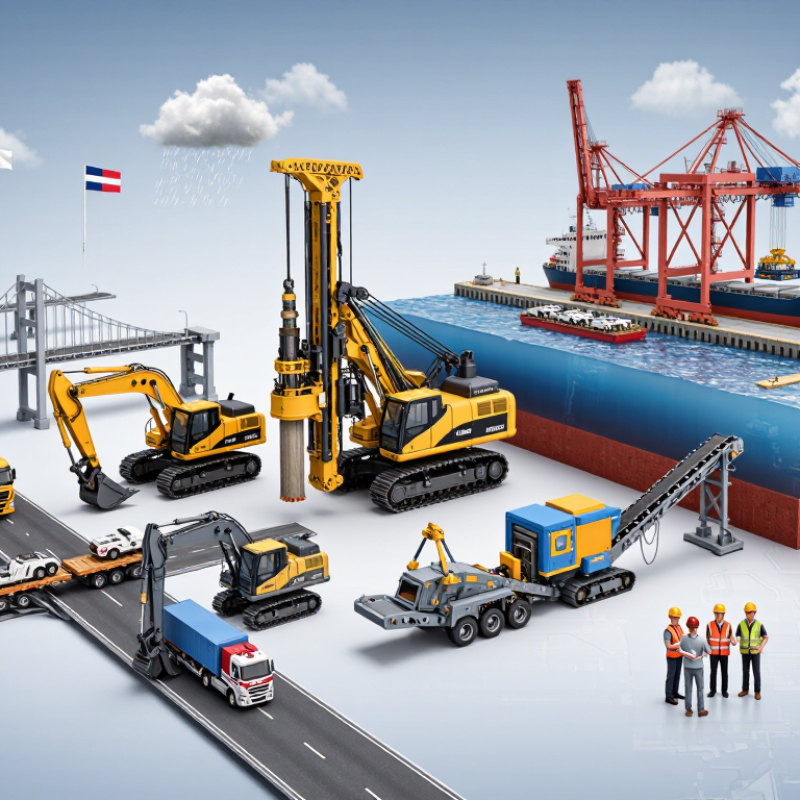
Mining equipment project cargo includes crushers, excavators, grinding mills, conveyor systems, flotation cells, transformers, and spare modules. Each item needs a separate cargo profile. Dimensions, gross weight, center of gravity, lifting points, and environmental sensitivity determine the transport plan. A 420-ton mill cannot follow the same route as boxed electrical panels.
UNCTAD’s Review of Maritime Transport 2024 reported that global seaborne trade grew 2.4% in 2023, reaching about 12.3 billion tons. However, project cargo faces different constraints. Vessel availability, port crane capacity, inland bridges, and road gradients can decide feasibility. Breakbulk vessels, heavy-lift ships, multipurpose vessels, and roll-on/roll-off services may all be suitable, depending on the equipment. Flat-rack containers work for some oversized units, but not every abnormal load.
Shipping requirements should be fixed before fabrication. Engineers should confirm lifting plans, lashing points, corrosion protection, moisture control, route surveys, permits, and cargo insurance. The World Bank’s Logistics Performance Index 2023 shows that customs efficiency and shipment reliability remain uneven across markets. That matters at remote mine sites.
A few millimeters of clearance can prevent a costly delay. In practice, teams sometimes trust drawings more than physical measurements. That is a mistake worth challenging. A 3D survey, trial lift, and independent inspection can expose risks before the cargo reaches the port. Weather windows, discharge equipment, escort vehicles, and temporary road strengthening should also appear in the execution schedule.
It can include crushers, excavators, grinding mills, conveyors, flotation units, transformers, and spare modules. Each item needs its own cargo profile. Record dimensions, gross weight, center of gravity, lifting points, and sensitive surfaces. A 420-ton mill needs a different route from boxed electrical panels.
Heavy-lift ships, breakbulk vessels, multipurpose vessels, and roll-on/roll-off services may all work. Low-bed trucks suit controlled inland movement. Rail can reduce long road exposure. Barges help when river access and water levels are reliable. Air freight is usually limited to small, urgent components.
Confirm lifting plans, lashing points, cargo dimensions, and center-of-gravity information. Complete route surveys before dispatch. Check bridges, turning radii, gradients, cranes, and road restrictions. Temporary road strengthening may be necessary. Fabrication drawings are useful, but physical measurements deserve more trust.
Packaging must resist weight, vibration, moisture, and long port storage. Brace steel frames around lifting points. Protect exposed machined surfaces against corrosion. Mark lifting eyes, sling angles, total mass, and the center of gravity. Shock indicators and humidity cards help, but they cannot replace inspections.
Prepare commercial invoices, packing lists, origin certificates, cargo classifications, lifting drawings, insurance records, and verified weight declarations. Equipment with batteries, fuel residues, or hydraulic fluids may need extra safety checks. One missing dimension can delay an entire convoy. Documents are operational controls, not mere paperwork.
Terminal teams should verify berth depth, crane capacity, deck strength, weather conditions, and storage space. They also need safe lifting sequences and synchronized truck arrivals. Photographs should match the approved lashing plan. Sometimes they do not. That mismatch requires review before loading.
Follow the applicable cargo-securing rules and approved securing manuals. Inspect lashing points, support frames, sling angles, and contact areas. Record cargo condition before and after each handover. Do not rely only on photographs. A small movement during transit can damage a large machine.
Use one controlled timeline and a clear responsibility matrix. Confirm permits, route surveys, loading times, contingency routes, and condition records. Live updates are useful. Signed records still matter. Weather or terminal congestion can change the plan, so teams should recheck assumptions instead of defending old schedules.
Mining Equipment Project Cargo requires careful coordination from initial planning through final installation. This guide explains how to define the cargo scope, identify equipment types, assess dimensions and weights, and select practical transport routes. It also covers pre-shipment surveys, packaging, lifting points, load securing, documentation, permits, and regulatory compliance to help prevent delays and damage.
The article further examines suitable transport modes, port handling procedures, and multimodal coordination for oversized or heavy equipment. It concludes with guidance on customs clearance, delivery scheduling, site access, installation preparation, and risk management. By combining accurate cargo information, realistic route planning, professional handling, and clear communication among all parties, project owners can improve safety, control costs, and support reliable delivery in 2026.