CE & DNV Certified Equipment, Dangerous Goods Logistics, and Cross-Docking Transloading Infrastructure
Headquartered at 5510 W 104th St, Suite 300, Los Angeles, CA 90045, our licensed US Customs Brokers manage CBP, FDA, ISF 10+2, and tariff classification to eliminate port congestion bottlenecks at LAX and the Ports of LA & Long Beach.
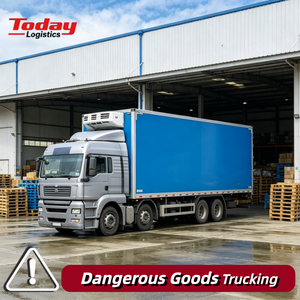
Certified handling of dangerous goods, DG Class 3 flammable liquids, Class 8 corrosives, Class 9 lithium-ion energy storage systems, and toxic chemical transportation with UN-approved containment.
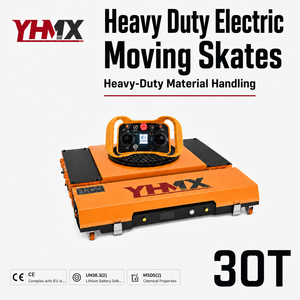
Our OEM manufacturing hubs construct CE-compliant cross-docking distribution machinery, 30-ton remote-controlled electric tank transporters, and DNV-certified offshore flat racks engineered for extreme structural stress environments.
In modern industrial logistics, the paradigm has shifted from static long-term warehousing to high-velocity Cross-Docking Distribution Systems. A CE-certified cross-docking facility represents the pinnacle of operational efficiency, regulatory compliance, and mechanical safety within international supply chain networks. CE certification mandates that all automated sorters, heavy-duty transloading equipment, electric tank carriers, and structural handling units strictly adhere to European Health, Safety, and Environmental Protection standards under Machinery Directive 2006/42/EC and Low Voltage Directive 2014/35/EU.
Manufacturing enterprises and global freight forwarders operating out of strategic Pacific Rim hubs—such as Los Angeles—leverage cross-docking to eliminate long-term storage overhead, minimize product handling touchpoints, and dramatically reduce order cycle times. By routing incoming freight from ocean containers directly to outbound air or motor carrier fleets, enterprises achieve unprecedented velocity while maintaining absolute compliance with US Customs and Border Protection (CBP), International Air Transport Association (IATA), and International Maritime Organization (IMO) standards.
While traditional transloading involves transferring cargo from one transit mode to another (e.g., ocean container to 53ft dry van), CE Certified Cross-Docking incorporates automated SKU-level deconsolidation, barcode verification, hazardous material segregation, and real-time telematics integration within a zero-dwelling-time facility footprint.
Procurement directors and supply chain executives face unprecedented volatility driven by geopolitical realignment, fluctuating maritime fuel surcharges, and stricter decarbonization mandates. Purchasing strategies for freight forwarding services and cross-docking hardware are undergoing a fundamental transformation based on four core vectors:
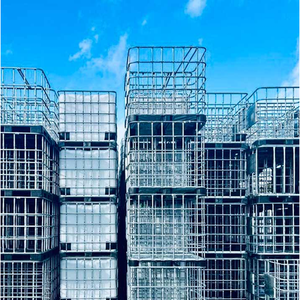
Industrial chemical manufacturers are rapidly moving away from single-use packaging toward standardized, reusable IBC container systems. Procurement managers now favor logistics partners who offer integrated purchase and return services for used IBC tanks. This circular economy model reduces capital expenditure by up to 42% per shipment while fulfilling global ISO 14001 environmental sustainability targets.
Diesel-powered forklifts and yard tractors are being phased out in favor of 30-ton electric tank transporters and remote-controlled heavy industrial movers. Powered by high-capacity lithium iron phosphate (LiFePO4) battery packs, these units eliminate indoor cross-docking carbon emissions while offering precision positioning accuracy within 2 millimeters via ultra-wideband (UWB) wireless control units.
| Logistics Metric | Legacy Warehousing Model | CE Certified Cross-Docking Model | Impact / Performance Gain |
|---|---|---|---|
| Cargo Dwelling Time | 48 – 120 Hours | 2 – 8 Hours | 83% Reduction in Lead Time |
| Handling Touchpoints | 6 – 9 Touches | 1 – 2 Touches | 78% Lower Risk of Cargo Damage |
| Inventory Holding Cost | High (Safety Stock Required) | Near Zero (Flow-Through) | Significant Capital Unlocking |
| Hazmat Compliance Risk | Dispersed / Manual Audit | Centralized Automated Inspection | 100% CBP & DOT Inspection Pass Rate |
| Emissions per TEU Handled | 42.5 kg CO2e | 11.2 kg CO2e (Electric Equipment) | 73.6% Carbon Footprint Reduction |
The global surge in electric vehicle (EV) manufacturing has created exponential demand for international hazardous shipping, specifically Class 9 Lithium Batteries. Procurement strategies now mandate end-to-end, door-to-door single-carrier accountability. Shippers demand forwarders who possess specialized carrier contracts spanning origin factory pickups in Asia to customs-cleared final deliveries across key European trade corridors (Netherlands, Germany, UK, Italy, France, Spain, Belgium, Sweden).
As a leading certified cross-docking distribution freight manufacturer, continuous hardware innovation is essential to solve complex structural and logistical bottlenecks. Engineering research focuses on material science, structural resilience, and IoT telematics integration.
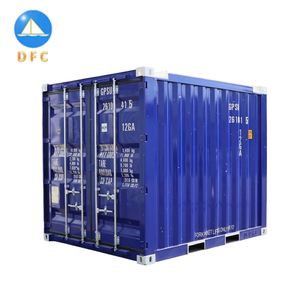
Standard ISO containers often fail under extreme offshore dynamic loads. Next-generation 10ft, 20ft, and 40ft offshore flat rack shipping containers are constructed using high-yield structural steel alloys (such as Corten steel combined with S355J2 structural grade plates). They feature integrated corner castings tested to withstand sub-zero temperatures (-20°C to -40°C) and corrosive salt-spray environments in full compliance with DNV standard 2.7-1 (BS EN 12079).
Shipping bulk dangerous goods requires constant monitoring of ambient metrics. Modern dangerous goods freight distribution hardware includes integrated IoT sensor arrays that continuously transmit real-time telemetry regarding internal container temperature, relative humidity, multi-axis shock impact, and off-gassing detection. When shipping Class 9 lithium batteries, these smart containment units automatically initiate thermal suppression protocols if localized temperatures exceed pre-set thresholds.
The manufacturing of 30-ton electric tank carriers with wireless remote control represents a breakthrough for chemical transloading plants and retail distribution hubs. By removing human operators from the immediate radius of heavy chemical tanks, facilities achieve zero-harm workplace safety compliance (OSHA / EU-OSHA) while maintaining fluid control during high-tonnage transfers.
Strategy meets execution at our primary logistics hub, operated by LA 24-7 Forwarder (headquartered at 5510 W 104th St, Suite 300, Los Angeles, CA 90045). Positioned adjacent to Los Angeles International Airport (LAX) and the mega-ports of Los Angeles and Long Beach, our facility provides the core framework for high-velocity international trade.
Our operational infrastructure offers key structural advantages to global procurement teams:
Expert Guidance on CE Certifications, Cross-Docking Transloading, and Dangerous Goods Shipping Regulations
Consult with our senior logistics engineers and global freight forwarding experts today. Real-time rate quotes, technical compliance audits, and custom equipment designs available 24/7.