Specialized Equipment, Intermodal Fleet Solutions, and Hazardous Freight Management
In the modern Fast-Moving Consumer Goods (FMCG) ecosystem, supply chain agility is no longer merely an operational objective—it is a critical market differentiator. As global consumer demand patterns fluctuate and product lifecycles condense, manufacturers and distributors face intense pressure to accelerate market velocity while maintaining stringent compliance standards. This comprehensive technical whitepaper examines the deployment of CE-certified material handling frameworks, cross-border fast-track routing algorithms, and specialized hazardous material shipping protocols designed to eliminate supply chain friction between Asian manufacturing nodes and global distribution centers across North America and Europe.
The European Conformity (CE) mark represents a vital regulatory baseline for equipment and packaging systems utilized in fast-track consumer goods transport. Under European Union directives—including Machinery Directive 2006/42/EC and Pressure Equipment Directive 2014/68/EU—logistics hardware such as automated 30-ton electric tank carriers, heavy-duty intermodal transporters, and returnable chemical IBC containers must undergo rigorous health, safety, and environmental protection assessments.
When FMCG manufacturers export high volumes of personal care products, household chemicals, or packaged foods, the mechanical systems handling these commodities within fulfillment hubs must demonstrate zero risk of structural failure, electrical hazard, or hazardous leakage. Standardizing on CE-certified shipping equipment ensures seamless integration with automated European warehousing infrastructure, bypassing entry friction at major sea ports such as Rotterdam, Hamburg, and Antwerp.
Full adherence to EU Machinery Directives, OSHA safety criteria, and ISO 9001 quality management benchmarks for all transport assets.
Wireless remote-controlled transporters equipped with CAN-bus communication interfaces for high-precision industrial handling.
Pre-cleared customs lanes leveraging automated ISF filing, HS-code verification, and expedited port-of-entry drayage networks.
To optimize decision-making for logistics directors and procurement heads, the table below provides a detailed structural and functional overview of specialized shipping assets utilized across our fast-track transport network:
| Equipment Category | Certification Standard | Primary Technical Payload | Optimal FMCG / Industrial Application | Fast-Track SLA Target |
|---|---|---|---|---|
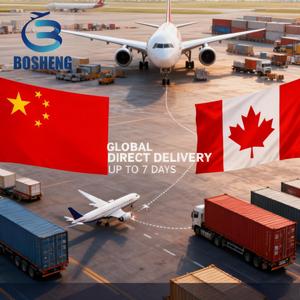
| Air Cargo Express Corridor | IATA / CE Airfreight Directives | Up to 100 Tons / Flight Charter | High-Value Retail, Promotional FMCG Launch | 48–72 Hours Door-to-Door |
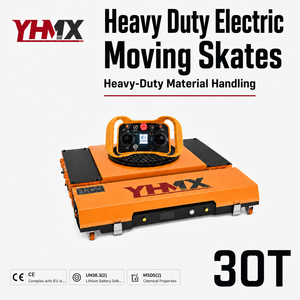
| 30-Ton Electric Tank Carrier | CE / ISO 13849 Safety Integrity | 30,000 kg Load Capacity | Heavy Bulk Liquid / Factory Logistics | Intra-Plant Real-Time |
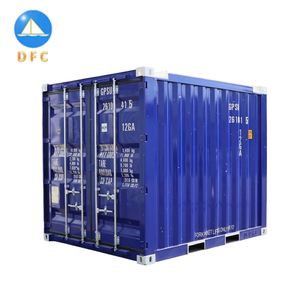
| DNV Offshore Flat Racks | DNV 2.7-1 / EN 12079 / CE | 10ft, 20ft, 40ft Customized Units | Industrial Project Cargo & Bulk Machinery | Scheduled Ocean Express |
| Hazardous Battery Freight | UN 38.3 / Class 9 DG Certified | Lithium Power Units / Consumer Energy | Consumer Electronics & E-Mobility FMCG | Compliant Priority Freight |
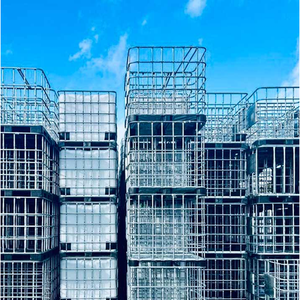
| Returnable IBC Containers | UN / CE Chemical Transport Approved | 1000L Intermediate Bulk Units | Raw Material Liquids, Chemical Additives | Closed-Loop Eco Return |
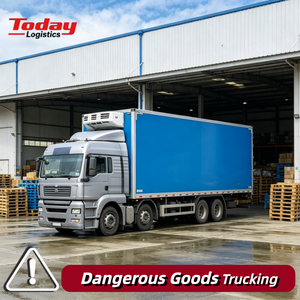
Fast-moving consumer goods often incorporate hazardous sub-components, such as lithium-ion battery packs in smart personal devices or flammable aerosol solvents within cosmetic product lines (falling under IMDG Dangerous Goods Class 3, Class 8, and Class 9). Executing fast-track shipping for these goods without violating safety mandates requires an multi-layered operational architecture:
Batteries and chemical liquid containers are subject to thermal runaway risks during high-altitude air transport or long-haul ocean voyages. Our certified logistics framework incorporates insulated UN-certified outer packaging, active temperature-controlled reefer monitoring, and gas-detection sensors integrated with real-time IoT gateways.
Customs holds represent the single greatest cause of shipping delays. By utilizing automated tariff classification tools and maintaining direct integration with U.S. Customs and Border Protection (CBP) and European Automated Customs Systems (ATLAS/NCTS), dangerous goods declarations (DGD) are verified prior to vessel loading, cutting clearance timelines by up to 65%.
Why Fortune 500 Brands and Global Importers Trust Our Fast-Track Manufacturing & Logistics Ecosystem
Our dedicated operations center monitors cargo movement around the clock across all time zones. Utilizing advanced satellite telemetry and predictive ETA algorithms, our team proactively resolves port bottlenecks, weather diversions, and customs inquiries before they disrupt your distribution schedule.
From factory-floor automation using wireless remote-controlled 30-ton electric tank carriers to offshore DNV-certified flat rack containers and last-mile drayage trucks, we provide a unified physical asset chain that eliminates third-party handover delays.
In-house licensed customs brokers specializing in FDA entry filings, EPA chemical transport compliance, hazardous materials handling (Class 3, 8, 9), and EU CE certification validation. We guarantee zero compliance-related demurrage charges for pre-screened shipments.
Strategically positioned hubs near major ports—including Los Angeles / Long Beach, Rotterdam, Shanghai, Shenzhen, and Frankfurt—providing immediate access to high-frequency ocean sailings and dedicated air freight charters.
As global supply chains undergo rapid structural changes driven by decarbonization mandates, artificial intelligence, and regional nearshoring, procurement executives must adapt their sourcing strategies. Below are key technical trends shaping the future of fast-track FMCG freight manufacturing and distribution:
The integration of high-capacity battery-electric transporters—such as remote-controlled 30-ton tank carriers—is becoming mandatory in modern warehousing. Transitioning from diesel powered yard tractors to zero-emission electric carriers enables factories to meet Scope 1 and Scope 2 carbon emission targets while reducing indoor noise and air pollution.
Single-use chemical containers are rapidly being replaced by certified reconditioned IBC containers and modular stainless-steel tanks. Closed-loop reverse logistics programs allow manufacturers to retrieve, sanitize, re-certify, and redeploy IBC units internationally, reducing packaging material expenditure by up to 40% annually.
Machine learning models analyzing historical bill-of-lading data, tariff schedules, and port inspection patterns now allow logistics providers to pre-clear goods 48 hours prior to vessel arrival. This predictive intelligence mitigates port congestion bottlenecks, enabling direct vessel-to-rail or vessel-to-truck fast-tracking.
With increasing off-shore production and multi-country consolidation hubs, standardized heavy-lift containers engineered to DNV 2.7-1 offshore safety criteria are gaining adoption across general manufacturing. These ruggedized units withstand extreme marine environments, protecting fragile FMCG automated machinery during transit.
Technical & Operational Insights for Importers, Supply Chain Directors, and Procurement Officers
Partner with a certified fast-track shipping manufacturer and freight forwarder. Contact our logistics engineering team for tailored transport solutions, custom equipment specs, and instant door-to-door rates.
Send an Inquiry