Explore specialized industrial equipment, dangerous goods freight forwarding, and custom container transport systems curated for global solar & energy infrastructure procurement.
The global transition toward utility-scale solar infrastructure and decentralized commercial energy systems has fundamentally reshaped the requirements for international shipping container procurement. As photovoltaic (PV) modules scale in dimension—transitioning from legacy 156mm cells to 182mm and 210mm N-type TOPCon and Heterojunction (HJT) wafers—the logistical vulnerabilities associated with global transits have magnified exponentially.
Procuring CE Certified Solar Panel Container Solutions from qualified factories and integrated logistics suppliers requires a multidisciplinary framework bridging structural engineering, international safety compliance, and advanced ocean freight drayage. A container utilized for transport or modular integration is not merely a steel enclosure; it functions as a calibrated protective dynamic matrix designed to neutralize low-frequency resonance, vertical impact shocks, and atmospheric condensation during multi-modal transit.
This industry blueprint evaluates the structural requirements, European Conformity (CE) directives, Dangerous Goods (DG) Class 9 battery integration standards, and strategic procurement frameworks governing modern solar panel container shipping.
For solar panel container suppliers and factories selling into European Union territories and global markets recognizing EU harmonized codes, CE marking is a non-negotiable prerequisite. However, enterprise buyers must distinguish between standard CE self-declaration and rigorous third-party certified compliance under relevant European Directives.
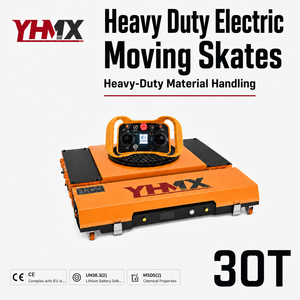
Applies to automated containerized solar generators, motorized deployment mechanisms, and integrated 30-ton electric tank carriers or hydraulic positioning systems within solar containers.
Mandates electrical insulation safety, dielectric strength testing, and ground-fault protection for containers integrated with junction boxes, microinverters, or battery storage systems (BESS).
Ensures container structural integrity meets International Convention for Safe Containers standards. Cor-Ten steel frames must withstand 9-high stacking under full gross payload capacities.
Silicon solar cells are inherently brittle. During sea transits—especially on North Atlantic or trans-Pacific container liner routes—vessels experience roll, pitch, and heave motions that induce shock loads up to 2.5g. Standard pallet packing inside uncalibrated containers frequently results in cell micro-cracking, invisible to the naked eye but disastrous for long-term module efficiency and linear power guarantees.
Leading CE-certified factories employ Finite Element Analysis (FEA) to design internal racking systems, anti-vibration rubber dampeners, and vertical lock bars that buffer low-frequency marine engine vibrations (typically 2 Hz to 100 Hz). Utilizing customized DNV 2.7-1 or CSC-approved flat rack and high-cube containers ensures structural rigidity across all axis points.
Selecting the optimal container configuration depends on module dimensions, weight distribution, and whether the container serves purely as transport packaging or as a functional energy deployment hub.
| Container Type | CE / International Certifications | Max Payload Capacity | Primary Solar Cargo Application | Vibration Mitigation Rating |
|---|---|---|---|---|
| 40ft High Cube (HQ) Standard | CE Mark, CSC Plate, ISO 6346 | 28,600 kg | Vertical-packed 660W+ N-Type TOPCon PV Modules | Standard (Requires EPE foam padding) |
| Customized Offshore Flat Rack | CE, DNV 2.7-1, EN 12079, CSC | 45,000 kg | Heavy project cargo, solar trackers, drive units | Heavy Duty (Reinforced structural steel) |
| Containerized BESS & Solar Hub | CE (LVD/EMC), UN 38.3, NFPA 855 | 30,000 kg | Integrated Hybrid Solar Inverters & Class 9 Lithium ESS | Advanced (Internal shock isolation mounts) |
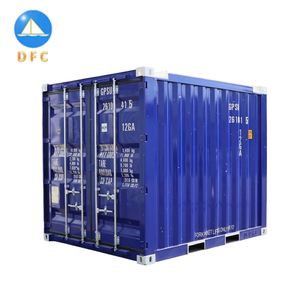
| 20ft Modular PV Deployment Unit | CE Machinery Directive, ISO 1496 | 18,000 kg | Mobile emergency solar power generators | Active Pneumatic Damping Systems |
The photovoltaic logistics landscape is experiencing rapid paradigm shifts driven by ESG mandates, geopolitical supply chain realignments, and technological integration. EPC (Engineering, Procurement, and Construction) contractors and OEM solar manufacturers are restructuring their procurement strategies around three core vectors:
Procurement teams no longer accept "black box" transits. Modern CE-certified solar containers are increasingly retrofitted with autonomous IoT sensor arrays powered by micro-solar collectors. These devices continuously record and transmit data regarding:
Utility solar installations are rarely deployed without energy storage. The market has seen a 140% surge in demand for combined Solar-Plus-Storage Container Shipping. Shipping these integrated systems requires factories and freight agents certified in hazardous cargo handling under the International Maritime Dangerous Goods (IMDG) Code and IATA regulations, managing UN 3480 and UN 3481 lithium-ion battery compliance seamlessly from China to Europe, North America, and emerging markets.
EU Carbon Border Adjustment Mechanism (CBAM) regulations are forcing importers to calculate Scope 3 logistics emissions. Sourcing containers from factories near electrified rail hubs or utilizing green maritime corridors (such as direct sea-freight options connecting Asian manufacturing centers to major European gateways like Rotterdam, Antwerp, and Hamburg) significantly optimizes life-cycle carbon footprints.
Navigating international factories and logistics suppliers requires an experienced partner capable of executing complex end-to-end supply chain mandates. Our global logistics framework provides turnkey execution for solar panel manufacturers, EPC firms, and industrial equipment importers.
Direct ISF filing, tariff classification (HTS codes), and tariff mitigation strategies for global solar panel imports.
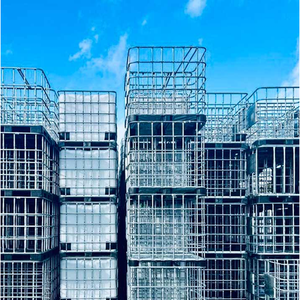
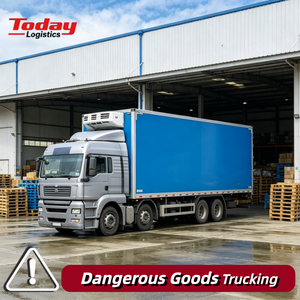
Specialized handling of battery systems, chemical IBC containers, and solar manufacturing raw materials.
Custom engineering for oversized solar trackers, transformers, and 30-ton industrial tank transporters.
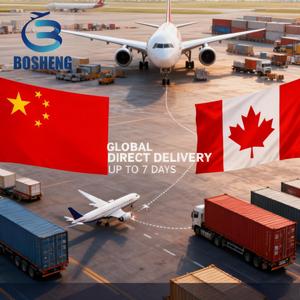
Seamless execution from factory floor pick-up in China to final project site delivery across Europe and the Americas.
Comprehensive answers to critical technical, regulatory, and logistical questions encountered by industrial buyers and supply chain directors.
Connect with our technical engineering and dangerous goods freight teams to request product catalogs, factory audit guidance, or tailored DDP shipping quotes.
Get Catalog