Discover our comprehensive suite of global transport solutions designed specifically for bio-pharmaceuticals, biological specimens, dangerous goods, and industrial logistics equipment.

Priority temperature-controlled express air freight tailored for biomedical samples and clinical trial biological shipments straight to European hubs.
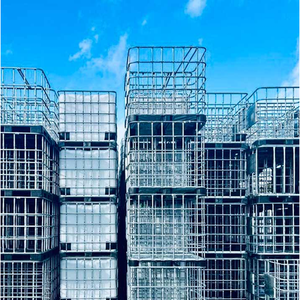
Certified Intermediate Bulk Containers (IBC) ideal for industrial liquid reagents, raw materials, and reverse logistics in global clinical supply chains.

End-to-end multimodal transport solutions for hazardous biological reagents, clinical trial supplies, and temperature-sensitive freight.
Comprehensive sea freight container and reefer transport network linking major Chinese ports to key clinical research hubs across Europe and North America.
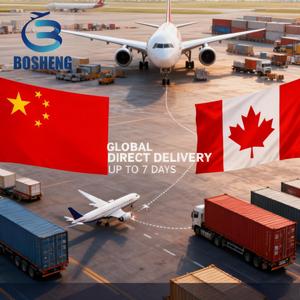
Compliant door-to-door transit for active temperature-control equipment powered by lithium batteries and UN-classified hazardous biological specimens.
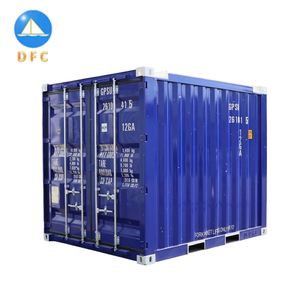
Industrial DNV-grade structural containers for large-scale biopharma skids, heavy equipment, and modular clinical laboratory transport.

Dedicated dangerous goods drayage and road transport certified for Class 3 flammable liquids, Class 8 corrosives, and Class 9 bio-hazardous substances.
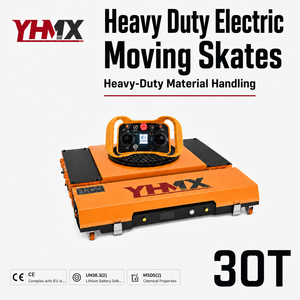
Next-generation remote-controlled heavy tank transport machinery for specialized liquid storage and pharmaceutical chemical processing sites.
Leveraging decades of specialized freight forwarding, licensed customs brokerage, and global network routing to deliver zero-defect clinical trial specimen supply chains.
Continuous round-the-clock monitoring equipped with active GPS, temperature, light, and humidity sensor logging. Instant automated alerts ensure pre-emptive intervention before critical thermal excursions occur.
Direct expertise in GACC, NMPA, US CBP, FDA, and EMA regulatory frameworks. We fast-track biological sample permits, human genetic resources administrative approvals, and quarantine inspections.
Fully certified team for IATA DGR and IMDG codes. Experienced in transporting infectious substances (UN 2814, UN 2900), biological specimens (UN 3373), dry ice (UN 1845), and lithium-battery powered active units.
Engineered solutions for every temperature bracket: Liquid Nitrogen Vapor Dry Shippers (-196°C), Dry Ice (-80°C to -20°C), Frozen (+2°C to +8°C), and Controlled Room Temperature (+15°C to +25°C).
Seamless multimodal integration connecting clinical sites in mainland China directly to global laboratories across North America, Western Europe, Southeast Asia, and Latin America with minimum transit delays.
Complete documentation workflow including GDP SOPs, electronic Waybills, temperature charts, and inspection reports aligned with international GCP (Good Clinical Practice) compliance standard operating procedures.
In the rapidly evolving landscape of global biopharmaceutical research, the execution of Multi-Regional Clinical Trials (MRCTs) demands an unprecedented level of logistics precision. As China solidifies its position as a global powerhouse in drug discovery, clinical development, and biotechnology innovation, the cross-border movement of biological specimens—ranging from whole blood, plasma, serum, tissue biopsies, and peripheral blood mononuclear cells (PBMCs) to advanced cell and gene therapies (CGT)—has become a mission-critical link in the drug approval pipeline.
Selecting the China Best Clinical Trial Specimen Shipping Supplier & Exporter requires evaluating vendors not merely on freight volume or shipping rates, but on rigorous adherence to international Good Distribution Practice (GDP), deep regulatory mastery of domestic and international biosafety laws, specialized cold-chain packaging technology, and end-to-end chain-of-custody transparency. This whitepaper provides a comprehensive analytical framework for Clinical Research Organizations (CROs), sponsor pharmaceutical companies, and central laboratories navigating cross-border specimen logistics from China to global destinations.
Clinical trial logistics differs fundamentally from standard commercial freight forwarding. Biological specimens are inherently fragile, irreplaceable, and subject to strict viability timeframes. A single thermal excursion, customs hold, or packaging failure can invalidate patient samples, compromise clinical trial data, delay regulatory submissions, and result in millions of dollars in financial losses.
Global logistics frameworks, established by the World Health Organization (WHO) and the International Air Transport Association (IATA), categorize biological materials based on infectious risk parameters. Procuring the appropriate export shipping partner requires verifying expertise across all dangerous goods classifications:
Exporting human biological specimens from China involves navigating one of the world's most complex regulatory environments. The Chinese government strictly monitors the exit of biological materials to protect public health, biosecurity, and human genetic resources. A premier specimen shipping exporter must demonstrate proven workflows to clear the following regulatory checkpoints:
Under China's Biosecurity Law and Human Genetic Resources Management Regulations, any international collaborative clinical trial involving the export of human genetic material (including blood, tissue, and extracted DNA) must receive prior administrative approval from HGRAC under the Ministry of Science and Technology (MOST). Failure to secure correct HGRAC approval codes prior to customs filing leads to immediate specimen seizure, severe corporate fines, and operational blacklisting.
The General Administration of Customs of China (GACC) enforces stringent health and quarantine entry-exit controls. Biospecimen exporters must obtain the Special Inspection and Permit for Exit Special Articles (Special Human Biological Materials). This process involves verifying laboratory biosafety levels, trial protocol authorization, and compliance with national biosecurity mandates.
Upon arrival in destination markets (such as the United States, Netherlands, Germany, UK, or Japan), shipments must clear local regulatory scrutiny. For example, entry into the US requires pre-filed Toxic Substances Control Act (TSCA) declarations, FDA import entries, and CDC import permits depending on sample origin and target analytical assays.
Maintaining absolute thermal stability across multi-leg international air transit requires state-of-the-art passive and active packaging technology. Leading exporters deploy specialized thermal configurations engineered for specific biological matrices:
| Temperature Range | Cooling Media / Tech | Target Biospecimen Types | Max Qualified Duration |
|---|---|---|---|
| Ultra-Low Cryogenic (-196°C to -150°C) | Liquid Nitrogen Dry Shippers (IATA Compliant) | CAR-T cells, Stem Cells, Viable PBMCs, Cryopreserved Tissue | 120 - 240 Hours |
| Deep Frozen (-80°C to -20°C) | Pelletized Solid CO2 (Dry Ice) + VIP Shippers | Serum, Plasma, Extracted RNA/DNA, Biopsy Specimens | 96 - 160 Hours |
| Refrigerated (+2°C to +8°C) | Phase Change Material (PCM) + Vacuum Insulation Panels | Whole Blood, Biomarkers, Recombinant Proteins, Swabs | 72 - 120 Hours |
| Controlled Room Temp (+15°C to +25°C) | Engineered PCM Insulation Systems | Ambient Blood Tubes, Formalin-Fixed Paraffin-Embedded (FFPE) Blocks | 72 - 96 Hours |
Traditional expanded polystyrene (EPS) boxes are increasingly being phased out in favor of high-performance Vacuum Insulation Panels (VIP) paired with hydrocarbon Phase Change Materials (PCM). VIP systems offer up to seven times the thermal resistance of EPS at a fraction of the wall thickness, maximizing internal payload volume while reducing overall volumetric freight weight—a crucial factor for cost optimization in high-frequency air express routes.
The clinical trial logistics industry is undergoing a structural paradigm shift driven by technological advances, regulatory changes, and evolving trial designs. Bio-pharma procurement directors must evaluate vendors against five dominant trends transforming specimen export from China:
Static data loggers that only provide post-transit temperature downloads are no longer sufficient for high-value biological assets. Next-generation procurement favors logistics partners utilizing real-time 5G/LTE IoT trackers that transmit temperature, GPS location, ambient pressure, tilt, and light exposure directly to a cloud platform. Advanced algorithms create a "digital twin" of the shipment, allowing control towers to predict thermal decay and arrange emergency dry-ice re-topping prior to customs clearance delays.
The shift toward hybrid and decentralized clinical trials requires specimen collection directly from patient homes or local clinics rather than centralized tertiary hospitals. This requires logistics suppliers to possess robust domestic cold-chain pickup networks across Tier 1 through Tier 4 cities in China, seamless first-mile packaging dispatch, and rapid consolidation at international airport free-trade zones (e.g., Shanghai Pudong PVG, Beijing Capital PEK, Guangzhou CAN).
Environmental, Social, and Governance (ESG) mandates are driving pharmaceutical companies to eliminate single-use cold-chain packaging. Leading China suppliers are establishing reverse logistics frameworks, enabling reusable VIP shippers and IBC containers to be collected at European and American destination laboratories, sanitized, recalibrated, and returned to China for repeat deployment.
With China expanding its pipeline of autologous and allogeneic cell therapies (such as CAR-T and NK cell treatments), specimen transit times are compressed into tight 48-to-72-hour windows. Specimen export suppliers are investing heavily in dry shipper fleets, dedicated airport tarmac hand-carries, and direct flights to ensure zero delay in therapeutic cell processing.
China's ongoing integration into the International Council for Harmonisation (ICH) guidelines is driving digitized permit clearance. Suppliers that integrate their logistics management systems directly with GACC single-window clearance portals provide significantly faster transit speeds and eliminate manual documentation errors.
Essential questions answered for clinical research managers, procurement officers, and bio-pharma logistics leads.
We utilize validated passive packaging systems (including Vacuum Insulation Panels and Phase Change Materials) certified to maintain specified temperature bands (-196°C, -80°C, +2°C to +8°C, or +15°C to +25°C) for up to 144+ hours without external power. Every shipment is equipped with real-time IoT temperature sensors. Our 24/7 Control Tower monitors transit milestones and coordinates with air carrier ground handling staff for priority tarmac loading and automatic dry-ice replenishment at key hub transit points.
Exporting human biological samples from China requires three primary compliance approvals: (1) Human Genetic Resources Administration of China (HGRAC) approval or filing under MOST, (2) Special Article Inspection Permit for Exit Human Biological Materials issued by GACC / Customs Quarantine, and (3) Air Cargo Transport Certificate for Safe Transport of Chemical Goods / Dangerous Goods Declaration (DGD). Our licensed in-house customs brokerage handles complete document preparation and agency submission.
Passive packaging relies on pre-conditioned thermal insulation materials (such as dry ice, liquid nitrogen dry shippers, or phase change gel packs combined with VIP insulation) to maintain temperature without external energy consumption. Active packaging utilizes battery-powered compressor units or thermoelectric heating/cooling systems within container structures. Passive packaging is preferred for small-volume biological specimen tubes due to flexibility and lower tare weight, while active systems are suitable for bulk biopharmaceutical API shipments.
Our global 24/7 control tower maintains active escalation SOPs. If a customs hold or flight delay occurs, our local airport station agents immediately access the shipment in temperature-controlled bonded facilities. For dry ice or frozen shipments facing extended delays beyond 48 hours, our agents execute on-site re-icing or dry shipper LN2 charging, ensuring sample integrity remains completely uncompromised until customs release or rerouting onto the next available flight.
Yes. Our operations are fully certified for multimodal Dangerous Goods transport across IATA DGR and IMDG codes. We provide certified packaging, dangerous goods labelling, UN-rated IBC containers, and dedicated dangerous goods vehicles for Class 3 (Flammable Liquids), Class 8 (Corrosives), and Class 9 (Miscellaneous Dangerous Goods including Dry Ice and Lithium-battery-driven active loggers).
Procurement pricing generally includes four core elements: (1) First-mile temperature-controlled pickup and specialized GDP thermal packaging box supplies, (2) Regulatory compliance filing fees (HGRAC, GACC quarantine, export customs entry), (3) Priority air cargo express freight charges based on chargeable weight (volumetric or actual), and (4) Destination customs clearance, dry-ice management, and last-mile courier delivery to target central laboratories. Contact our team for a detailed, project-tailored quote.
Initiating a multi-center clinical trial or exporting critical bio-samples from China? Connect with our dedicated bio-pharma logistics engineering team for customized routing, regulatory consultation, and competitive freight quotes.
Contact Us