Essential answers for global supply chain managers, logistics directors, and procurement engineers sourcing automotive solutions from China.
What documentation is required for exporting EV lithium batteries (Class 9 HazMat) from China?
+
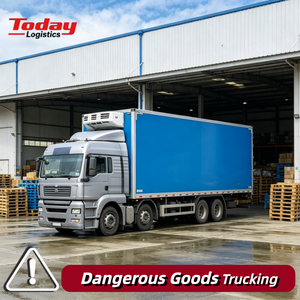
Exporting EV lithium-ion batteries requires strict compliance under UN 38.3 test summary reports, Safety Data Sheets (SDS), MSDS certification, the Dangerous Goods Declaration (DGD), and UN-rated performance packaging certification. Additionally, maritime shipments must strictly follow the International Maritime Dangerous Goods (IMDG) code, while air freight must comply with IATA PI 965-967 guidelines. Our team manages end-to-end certification to guarantee smooth customs clearance at origin and destination ports.
How do door-to-door (DDP/DAP) logistics services prevent assembly line downtime for automotive OEMs?
+
Our door-to-door services integrate express air cargo, customs pre-clearance, dedicated port drayage, and hot-shot trucking directly to factory receiving docks. By removing intermediate handoffs between freight forwarders, customs brokers, and local truckers, we eliminate multi-day delay risks, ensuring critical CKD (Completely Knocked Down) components arrive exactly when required by the assembly schedule.
What are DNV-certified offshore flat rack containers, and why are they vital for heavy automotive machinery?
+
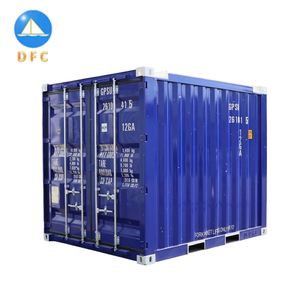
DNV certification (such as DNV 2.7-1 / EN 12079) guarantees that flat rack shipping containers meet rigorous structural integrity, dynamic lifting, and fatigue standards under harsh offshore and marine transport conditions. This certification is essential when transporting heavy, high-value, non-standard machinery—such as 30-ton hydraulic stamping presses or robotized assembly cells—preventing frame distortion and securing cargo during ocean transit.
Can reusable IBC chemical containers be managed through a reverse logistics loop?
+
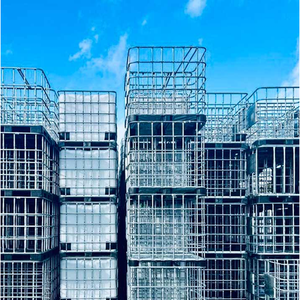
Yes. We offer complete reverse logistics programs for Intermediate Bulk Containers (IBCs) used in transporting automotive paints, resins, and lubricants. After discharging fluids at destination factories, we collect, inspect, recondition, and ship empty IBCs back to China or regional chemical suppliers, creating a sustainable, cost-effective closed-loop packaging strategy.
How does your team manage US Customs (CBP) and European (ICS2) compliance for automotive imports?
+
Our licensed customs brokerage team handles Importer Security Filing (ISF 10+2), tariff classification (HTS code verification), duty calculation, and compliance under partner government agencies (including the US FDA, EPA, and European Union ICS2 safety regulations). Pre-filing entry documentation before vessel arrival ensures immediate port release upon discharge.
What advantages do 30-ton wireless electric tank transporters offer over traditional forklifts inside manufacturing plants?
+
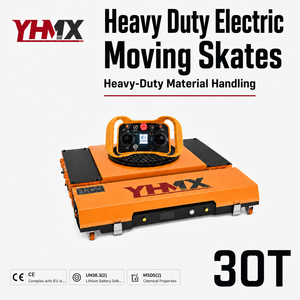
Unlike heavy forklifts or overhead cranes, 30-ton electric tank carriers feature low center-of-gravity platform loading, zero emissions, zero-turn-radius maneuvering, and precise wireless remote operation. This allows operators to safely transport massive fluid tanks, hazardous chemical reservoirs, or heavy dies through tight factory aisles with minimal labor and zero risk of overhead collision.