China Top Chemical Liquid Tank Container Logistics Manufacturer & Exporter
Industrial White Paper: Global Supply Chain Engineering, ISO Tank Fleet Operations & Next-Generation Hazardous Cargo Logistics
Featured Chemical Liquid ISO Tanks & Logistics Solutions
Direct from China's Premier ASME & DNV Certified Manufacturing Depot & Global Freight Network
Express & Spares
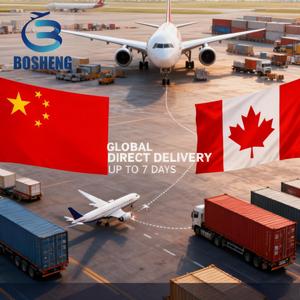
Air Cargo Door-to-Door & ISO Tank Spare Parts Logistics
Rapid international air shipping for high-value chemical catalysts, critical tank valves, burst discs, and hazardous liquid samples across Europe & Americas.
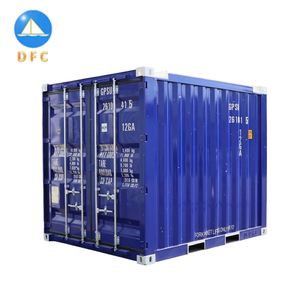
DNV 2.7-1 Certified Offshore Liquid & Flat Rack Tank Containers
Custom-engineered 10ft/20ft/40ft DNV 2.7-1 / EN12079 offshore chemical tanks designed for extreme marine oilfield environments and heavy industrial projects.
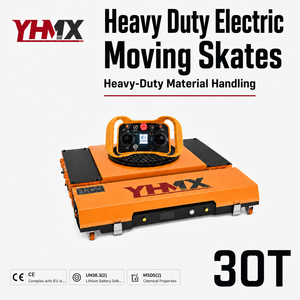
30-Ton Remote Electric Industrial Tank Transporter & Yard Shuttle
Next-generation heavy-duty wireless remote-controlled zero-emission yard transporter built for safe relocation of loaded ISO tank containers inside chemical plants.
Executive Summary: Industrial Engineering & Chemical Logistics Integration
As a global pioneer in ISO tank container manufacturing and end-to-end chemical liquid logistics based in China, our organization bridges high-precision metallurgy with complex international supply chain compliance. Chemical liquid transport requires rigorous thermal management, structural integrity, and regulatory adherence under IMDG, US CBP, ADR, and RID frameworks. Our state-of-the-art manufacturing facilities produce ASME U-Stamp, DNV 2.7-1, and CSC certified T11, T14, T50, and T75 tank containers engineered specifically for bulk hazardous and non-hazardous liquid cargoes.
Information Gain Insight: Modern chemical procurement directors are shifting away from traditional freight brokers toward integrated Original Equipment Manufacturers (OEMs) who possess dedicated freight forwarding licenses, in-house customs brokerage, and telematics-enabled asset tracking. This eliminates hand-off liabilities during multi-modal transshipments.
Unlike standard logistics agents who rely exclusively on third-party equipment, our dual-pillar operational framework controls both equipment fabrication and global vessel slot allocation. Operative synergies between our engineering workshops in China and our international logistics control centers—including LA 24-7 Forwarder hubs—allow client supply chains to maintain zero product contamination, full traceability, and optimized payload capacity.
ASME & UN Certification
Fabricated using 316L stainless steel, high-tensile carbon steel, and fluoropolymer linings (PTFE/PFA) certified for Class 3, 6.1, and 8 corrosive compounds.
Global Port Coverage
Seamless door-to-door forwarding from major Chinese origin ports (Ningbo, Shanghai, Qingdao, Tianjin) to North American, European, and Southeast Asian terminals.
Compliance Guarantee
In-house licensed US Customs Brokers (CBP), FDA compliance managers, and ADR dangerous goods certified transport specialists preventing port clearance delays.
Future Procurement Trends in Chemical Tank Container Logistics (2025–2030)
The global chemical logistics industry is undergoing a paradigm shift driven by stringent decarbonization targets, real-time supply chain transparency mandates, and structural volatility in global ocean freight routes. Enterprise chemical buyers must adapt procurement strategies to maintain resilience and control total cost of ownership (TCO).
1. Digitalization via Smart Telematics & IoT ISO Tanks
Procurement departments no longer evaluate ISO tank container providers solely on ocean freight rates per FEU. The baseline expectation now demands intelligent sensors integrated into the tank framework. Modern smart ISO tanks stream real-time telemetry including:
Continuous Thermal Monitoring: Essential for temperature-sensitive organic chemicals, acrylic acid monomers, and food-grade liquid commodities.
Internal Pressure Tracking: Proactive identification of outgassing or valve seal degradation during long-haul ocean transits.
Shock & Geo-Fencing Alerts: Automatic detection of harsh coupling during rail intermodal legs and unprogrammed port dwell times.
2. Transition to High-Capacity Lightweight T11 & T14 Vessels
Freight rate fluctuations incentivize chemical manufacturers to maximize payload efficiency per shipment. Advanced metallurgical engineering utilizing modified high-tensile stainless steel alloys (e.g., Duplex 2205) allows wall thickness reduction while maintaining structural safety ratings under RID/ADR. This weight reduction increases liquid volumetric payload by up to 8% per ISO container movement, generating substantial freight cost savings across high-volume trade corridors.
Environmental Regulations (ESG) are driving chemical exporters away from single-use flexitanks toward recyclable IBC systems and reconditioned ISO tank fleets. Manufacturers offering guaranteed buyback/repurchase frameworks and automated tank cleaning stations (equipped with high-pressure rotational spinners and wastewater treatment) minimize environmental liabilities and compliance overhead.
State-of-the-Art Technology & Tank Manufacturing Innovations
The manufacturing architecture of chemical tank containers has evolved from standardized fabrication to specialized, highly engineered containment systems. As China maintains its status as the world's primary exporter of tank equipment, engineering developments are focused on thermal performance, lining longevity, and zero-emission yard handling automation.
Advanced Internal Lining Engineering for High-Corrosive Cargo
Transporting Class 8 corrosive chemicals (such as hydrofluoric acid, phosphoric acid, and chlorosulfonic acid) demands lining materials capable of enduring thermal expansion without micro-cracking. Our engineering teams utilize robotic plasma arc welding alongside multi-layer fluoropolymer lining technologies:
PTFE Sheet Lining
Mechanically bonded polytetrafluoroethylene sheet linings offer near-universal chemical inertness up to 160°C, preventing ion leaching in high-purity electronic-grade chemicals.
Rotomolded PFA & ETFE
Seamless rotational lining eliminating weld seam vulnerability. Ideal for complex geometries inside tank internals and baffle attachment points.
Vulcanized Rubber Lining
Heavy-duty elastomeric protection against abrasive slurries, hydrochloric acid derivatives, and high-concentration salt solutions.
Automated Yard Logistics: Electric Tank Carriers
Plant safety and operational efficiency within chemical manufacturing facilities are significantly enhanced by adopting automated yard transporters. Transitioning from traditional diesel tractor rigs to 30-ton wireless remote-controlled electric tank shuttles reduces yard carbon emissions to zero while allowing precision positioning of loaded ISO tanks in hazardous chemical plant zones (ATEX Zone 1 / Zone 2 environments).
Partnering with China's top chemical liquid tank container manufacturer and exporter delivers distinct competitive advantages across international procurement networks:
Full Regulatory Authorization
Certified under ASME U-Stamp, ISO 9001/14001, CSC, US DOT, and DNV GL standards. All tanks undergo 100% hydrostatic, X-ray weld, and pneumatic pressure testing prior to dispatch.
Dangerous Goods Fleet Management
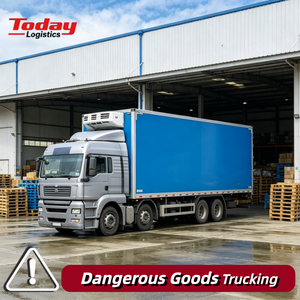
Integrated door-to-door freight forwarding infrastructure capable of executing hazardous Class 3, 6.1, 8, and 9 movements with dedicated ADR chassis trucks and ocean vessel slot contracts.
North American Gateway Synergy
In strategic partnership with LA 24-7 Forwarder in Los Angeles, CA, providing 24/7 US Customs clearance, bonded warehousing, and last-mile drayage across North American trade lanes.
Frequently Asked Questions: Tank Equipment & Global Logistics Procurement
What international certifications are required when purchasing chemical ISO tank containers from China?
To ensure global intermodal validity, chemical ISO tanks manufactured in China must possess CSC (Container Safety Convention) approval, ASME U-Stamp (if pressure vessel rated), UN Portable Tank certification (T11/T14/T50/T75), and classification society approvals from recognized authorities such as Bureau Veritas (BV), DNV GL, Lloyd's Register (LR), or China Classification Society (CCS).
How do I determine whether my chemical liquid requires a T11 or a T14 ISO tank container?
T11 tanks are designed for non-corrosive or mildly corrosive hazardous and non-hazardous liquids with bottom discharge configurations. T14 ISO tanks are specifically engineered for highly corrosive or toxic compounds (such as Class 8 acids and Class 6.1 poisons) and feature top-discharge-only valve arrangements along with specialized internal linings (PTFE/PFA/Rubber) to protect structural steel against acid corrosion.
What periodic testing and inspection schedules are mandatory for chemical ISO tanks?
Under IMDG and international regulations, ISO tanks require a 2.5-Year Intermediate Inspection (leakproofness testing and valve check) and a 5-Year Full Periodic Inspection (hydrostatic pressure test, internal/external visual inspection, and thickness measurement) performed by an accredited classification surveyor.
Can your logistics team handle door-to-door hazardous chemical shipments under DDP terms?
Yes. Through our integrated freight forwarding operations and strategic North American office (LA 24-7 Forwarder in Los Angeles), we provide complete DDP (Delivered Duty Paid) service. This encompasses China port loading, ocean vessel carriage, ISF filing, US CBP customs clearance, hazardous drayage, and direct delivery to end-user plants.
What options exist for shipping smaller liquid chemical volumes below ISO tank capacity?
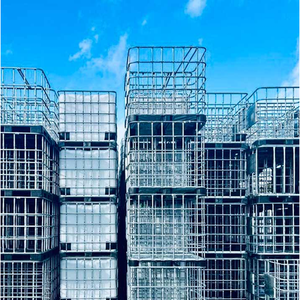
For smaller batch requirements, we provide 1000L UN-rated Intermediate Bulk Containers (IBCs) and specialized offshore mini-tanks. We also manage return logistics, offering buyback/repurchase programs for reconditioned IBCs to optimize supply chain sustainability.
Engineering Your Global Chemical Supply Chain
Contact our technical team today for ISO tank manufacturing specifications, dangerous goods freight routing analysis, or a custom quotation.