Explore our specialized portfolio of certified hazardous cargo transport services, custom offshore containers, and heavy-duty industrial carriers designed for strict IMO / IMDG / IATA compliance.
Dangerous Goods (DG) transportation and hazardous container manufacturing represent one of the most rigorously regulated sectors in international trade. As global manufacturing supply chains evolve, the demand for verified, UN-certified packaging, specialized ISO tank equipment, and fully compliant maritime/air freight logistics has reached an unprecedented scale.
As a leading Chinese manufacturer and global exporter of IMO-compliant dangerous goods equipment and logistics services, our infrastructure provides seamless cross-border solutions. From Class 3 flammable liquid shipping to Class 9 lithium battery energy storage system (ESS) transport, our operations comply strictly with international codes including the International Maritime Dangerous Goods (IMDG) Code, International Civil Aviation Organization (ICAO) Technical Instructions, and national ADR road transport regulations.
Our organization operates a dual-engine architecture: combining heavy industrial container manufacturing with licensed global hazardous freight forwarding capabilities. This vertical integration allows us to eliminate third-party handling risks and maintain total control over cargo integrity.
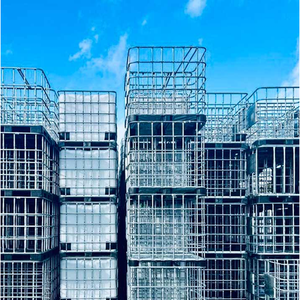
Our manufacturing plants produce UN 31HA1 IBC containers, ISO T11/T50 tanks, and offshore DNV 2.7-1 flat racks engineered under ISO 9001 and certified by international classification societies (CCS, DNV, ABS, BV).
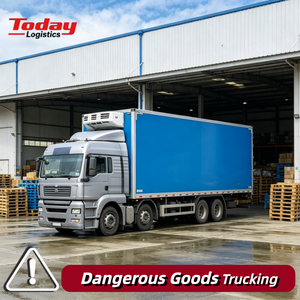
We maintain dedicated fleets equipped with GPS telemetry, real-time pressure monitoring, ADR-certified drivers, and emergency spill containment kits for safe port drayage and inland transit.
In-house DG declaration experts manage Dangerous Goods Declarations (DGD), SOLAS Verified Gross Mass (VGM) filings, chemical analysis, and customs clearance across major Chinese ports (Shanghai, Ningbo, Qingdao, Shenzhen).
Selecting appropriate equipment and transport modes depends heavily on the specific IMO Hazard Class, Packaging Group (PG I, II, III), and chemical reactivity profile. The table below outlines our core handling capabilities:
| IMO Class | Hazard Category Description | Primary Transport Equipment | Compliance Standard | Key Handling Protocol |
|---|---|---|---|---|
| Class 3 | Flammable Liquids (Paints, Solvents, Fuels) | UN IBC Containers / ISO T11 Tank | IMDG Code 38-16 / UN 31HA1 | Vapor control valves, static grounding wires |
| Class 8 | Corrosive Substances (Acids, Alkalis) | PE-Lined IBCs / FRP Tank Containers | UN Packaging Group I/II/III | Anti-corrosive lining, pressure test certificates |
| Class 9 | Lithium Batteries & Energy Storage (ESS) | DNV Flat Racks / Reepack Containers | UN 38.3 / IATA DGR / SP188 | Thermal run-away barriers, active monitoring |
| Class 4.1/4.2 | Flammable Solids & Self-Heating Cargo | Ventilated Dry Van / Insulated Boxes | SOLAS Regulation II-2/19 | Temperature monitoring, moisture-proof barrier |
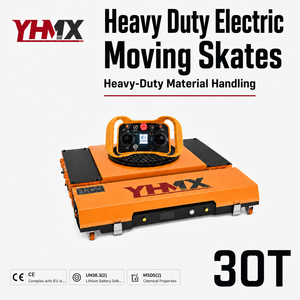
| Project Cargo | Heavy Hazardous Machinery & Oversized Skids | Heavy Flat Racks / Electric Tank Carriers | DNV 2.7-1 / EN 12079 | Custom structural lashing, wireless remote transport |
As regulatory scrutiny tightens across global maritime hubs, procurement directors must adapt to emerging technological and compliance trends in hazardous material supply chain management.
Future procurement mandates real-time tracking of internal tank pressure, temperature, payload volume, and impact detection. Our next-generation containers come integrated with ATEX-certified satellite telematics modules for continuous visibility during ocean transit.
Environmental regulations are accelerating the adoption of reconditioned and reusable IBC containers. Chemical manufacturers are transitioning toward lifecycle-managed return services to reduce plastic waste and lower scope 3 carbon emissions without compromising UN security standards.
With the explosive expansion of global battery supply chains, maritime authorities are instituting stringent guidelines for large-scale energy storage units. Specialized offshore flat racks and thermal-resistant container designs are becoming essential for international insurance approval.
Find authoritative answers regarding dangerous goods shipping, UN container certifications, and customs compliance for international procurement.
Secure immediate vessel space allocation, certified UN packaging equipment, and transparent door-to-door pricing for your dangerous goods freight.
