Explore our specialized matrix of global transportation equipment, door-to-door air and sea freight charters, hazardous material handling, and heavy-duty logistics support.
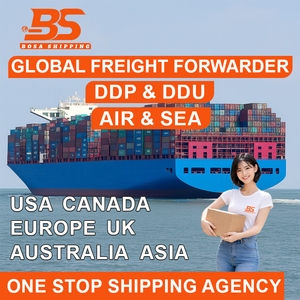
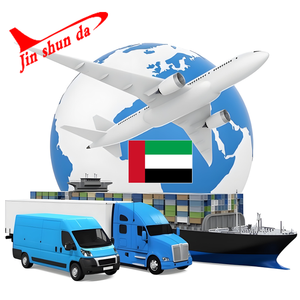
The fast-paced acceleration of global trade demands an evolved logistics framework—one capable of bridging large-scale textile manufacturing hubs in China with rapidly changing retail and industrial destinations across Europe, North America, and the Asia-Pacific region. As a premier China fashion apparel cross border logistics factory & supplier, our organization delivers fully integrated supply chain solutions tailored to high-volume garment exporters, fast-fashion brands, smart textile manufacturers, and heavy industrial plant operators.
Modern cross-border logistics is no longer merely about moving shipping containers from Port A to Port B. It encompasses strict regulatory compliance, automated customs filing, Garment-on-Hanger (GOH) preservation, specialized dangerous goods (DG) carriage for smart apparel featuring built-in lithium-ion thermal units, and end-to-end transparency. By unifying factory-floor dispatching with direct air charters, ocean freight consolidation, and destination drayage, we provide enterprise clients with an unmatched competitive advantage in lead-time compression and landed cost optimization.
Engineered Garment-on-Hanger container systems that eliminate iron-and-press rehandling costs upon arrival. Direct factory-to-store delivery ensures showroom readiness.
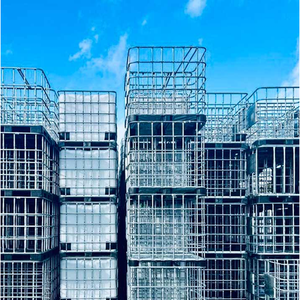
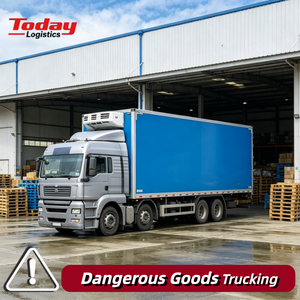
Fully certified handling of Class 3, Class 8, and Class 9 hazardous materials, including smart apparel integrated with lithium-ion power cells, specialized dyes, and chemical IBC containers.
In-house licensed customs clearance across the US (CBP), EU (IOSS/VAT), UK (HMRC), and Asia. Complete coverage for tariffs, section 301 duties, and FDA/CPSC compliance.
Our logistics architecture incorporates rigorous verification protocols under ISO 9001, IATA DG Regulations, and DNV offshore container standards. By integrating factory sourcing with specialized carrier allocation, enterprise buyers eliminate supply chain bottlenecks, minimize transit variances, and maintain complete audit capability across international customs zones.
Optimizing cross-border apparel procurement requires aligning seasonal lead times with shipping budget allocations. The matrix below details operational specs, typical transit durations, volume thresholds, and regulatory oversight for our key China-to-Global freight lanes.
| Transport Mode | Primary Hubs & Transit Lanes | Average Transit Time | Target Commodity Profile | Compliance & Certifications |
|---|---|---|---|---|
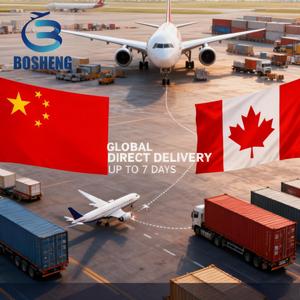
| Express Air Freight (DDP) | PVG/SZX/CAN to AMS, LAX, FRA, LHR | 3 - 5 Business Days | High-Value Fashion, Samples, E-Commerce Direct | IATA Certified, TSA Approved Agent |
| Ocean FCL / LCL Shipping | Ningbo/Shanghai/Shenzhen to Rotterdam, Long Beach, Genoa | 14 - 28 Days | Bulk Textile Goods, Ready-to-Wear Collections | FMC Bonded, NVOCC, ISF Filing Compliant |
| Garment-on-Hanger (GOH) Container | Guangdong Textile Hubs to EU / US Warehouses | 16 - 30 Days | Suits, Formal Outerwear, Luxury Apparel | Customized String & Bar GOH Systems |
| Class 3/8/9 Hazardous Transport | China Mainland to Worldwide Destinations | Varies by Mode | Battery-Heated Apparel, Chemical Dyes, IBCs | IMO DG Certified, ADR Trucking Licensed |
| Heavy Project Logistics & Equipment | Factory to Industrial Sites (Offshore & Onshore) | Custom Schedule | Textile Processing Machinery, 30T Carriers | DNV 2.7-1 Offshore Flat Rack Certified |
As the global fashion sector transitions toward ultra-responsive manufacturing and shortened product lifecycles, cross-border sourcing models are undergoing structural shifts. Procurement directors must adapt to several emerging trends shaping China's export ecosystem:
Traditional seasonal purchasing schedules (Spring/Summer, Fall/Winter) are giving way to continuous small-batch releases. Brands order small test batches from Chinese factories, using high-speed air cargo door-to-door services to test consumer appetite in Western markets within 96 hours. Once sales data validates demand, bulk ocean freight charters are triggered. Logistics infrastructure must accommodate this dual-speed supply chain with equal efficiency.
Global retailers face stringent Scope 3 emissions reporting standards. In response, China's leading logistics partners are deploying electric heavy-duty carriers within port zones and utilizing reusable industrial return equipment—such as certified chemical IBC containers and collapsible GOH frames—to minimize carbon footprints during raw material processing and garment transport.
The rapidly growing smart clothing market—ranging from heated winter jackets powered by lithium polymer battery packs to biometric fitness wear—presents new transport complexity. Sourcing these products requires logistics partners with certified dangerous goods handling capabilities (Class 9 Lithium Batteries, Class 3 Flammable Liquids used in weatherproofing coatings). Full compliance with lithium battery door-to-door safety protocols is mandatory to prevent port delays or customs confiscation.
Machine learning algorithms dynamically recalculate flight schedules, port congestion levels, and customs clearance queues to bypass bottlenecks in real time.
Strategic tariff classification (HTS code mapping), bonded warehouse storage, and legal duty drawback programs reduce total import tax liabilities for fashion brands.
Dedicated heavy-duty trucking fleets connect Southern and Eastern China factory complexes directly to primary ocean terminals and air cargo hubs.
Establishing a resilient international supply chain requires a partner with proven operational scale, deep domain expertise, and rigorous quality control protocols. Drawing upon decades of specialized freight experience, our China-based operational network offers critical strategic advantages:
Through long-standing master service agreements with top global ocean lines and air carriers, we secure guaranteed space allocations even during peak Q4 retail rushes. Whether moving bulk containerloads of raw fabrics or time-sensitive retail collections, our clients benefit from predictable schedules and stable freight pricing structures.
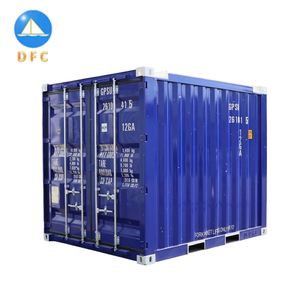
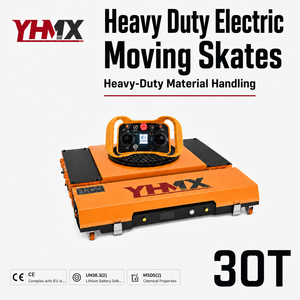
Beyond finished garments, our logistics operations support factory relocations, textile loom equipment transport, and heavy manufacturing installations. Utilizing certified DNV 10ft/20ft/40ft offshore flat rack shipping containers and 30-ton remote-controlled electric tank carriers, we execute complex project cargo movements with zero compromise on safety.
Cross-border supply chains require robust circular management. We facilitate the international return, refurbishment, and purchase of chemical transport equipment—such as reconditioned IBC totes used in textile dyeing plants—ensuring continuous material flow for global manufacturers.
Modern supply chain managers require continuous tracking data. Our proprietary logistics dashboard provides real-time GPS and AIS tracking, vessel milestone reporting, automated customs status alerts, and instant exception notification—giving enterprise buyers complete oversight from factory release to destination delivery.
Explore expert responses to common challenges faced by international procurement managers, brand operators, and supply chain coordinators when importing apparel and industrial goods from China.
Building a resilient, high-velocity cross-border supply chain requires structured execution across four critical operational phases. Our enterprise framework ensures complete operational alignment from initial supplier purchase order to last-mile destination distribution:
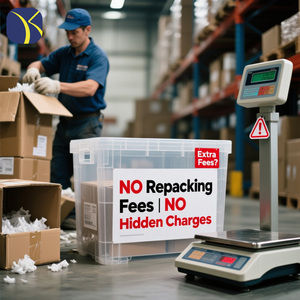
Factory pickup coordination, cargo measurement verification, barcode scanning, and GOH/box packaging inspection at our regional China logistics hubs.
Direct electronic filing with China Customs, export compliance screening, space booking confirmation, and immediate container/pallet loading.
Pre-arrival customs filing (ISF/EDI), duty payment execution, priority vessel unloading, and direct transfer to bonded drayage vehicles.
Final delivery to retail stores, e-commerce fulfillment centers, or industrial project sites with full POD (Proof of Delivery) electronic signing.
By implementing this standardized framework, global brands minimize order-to-delivery lead times, eliminate surprise tariff costs, and establish a repeatable logistics baseline engineered for global growth.
