Explore our specialized hazardous material handling equipment, UN-certified chemical containers, battery air freight protocols, and heavy-duty logistics machinery engineered for international air and ocean compliance.
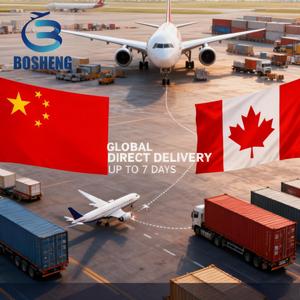
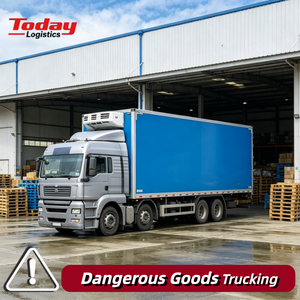
Air transport of hazardous materials and chemical substances represents one of the most strictly regulated sectors in modern international supply chain management. As a premier Custom OEM Dangerous Goods Air Freight Manufacturer & Factory, operating at the intersection of heavy industrial packaging engineering and international freight forwarding, establishing uncompromising adherence to global safety protocols is essential. Air cargo operations involving dangerous goods (DG) are governed primarily by the International Civil Aviation Organization (ICAO) Technical Instructions for the Safe Transport of Dangerous Goods by Air and enforced internationally via the IATA Dangerous Goods Regulations (DGR).
Unlike standardized general cargo, hazardous freight demands absolute precision in cargo classification, UN specification packaging manufacturing, labeling, marking, and Shipper’s Declaration documentation. Failure to comply with these rigorous regulatory frameworks can result in severe legal liabilities, immediate aircraft groundings, prohibitive financial sanctions, and catastrophic safety risks during high-altitude transit. OEM manufacturing of dangerous goods air freight solutions involves customized structural packaging—such as custom-molded UN 4GV fiberboard boxes, pressure-tested steel and aluminum drums, and specialized thermal containment barriers for high-density lithium-ion energy systems.
Hazardous materials are classified into nine distinct hazard classes established by the United Nations Committee of Experts on the Transport of Dangerous Goods. OEM air freight solutions require custom-tailored physical and thermal protection depending on the physical state, reactivity, and volatility of the cargo:
| Hazard Class | Classification Name | Air Freight Loading Restrictions | OEM Packaging & Containment Requirement |
|---|---|---|---|
| Class 1 | Explosives | Strict Cargo Aircraft Only (CAO); Low Net Quantities | Custom shock-absorbing wooden/steel UN boxes; anti-static liners |
| Class 2 | Gases (Flammable, Non-Flammable, Toxic) | Pressure vessel restrictions; temperature control | Seamless pressure-tested cylinders; overpack steel cages |
| Class 3 | Flammable Liquids | Packing Group I, II, III limits per aircraft deck | Vapor-tight aluminum drums, UN 4G packaging with vermiculite absorbents |
| Class 4 | Flammable Solids; Spontaneous Combustibles | Desensitized explosives strict monitoring | Hermetically sealed moisture-barrier bags, reinforced outer crates |
| Class 5 | Oxidizing Substances & Organic Peroxides | Strict separation from Class 3 & Class 8 cargo | Thermal runaway mitigation layers, inert insulation liners |
| Class 6 | Toxic & Infectious Substances | Bio-containment standards; UN 2814 / UN 2900 | Triple-packaging systems, leak-proof pressure-rated secondary containers |
| Class 7 | Radioactive Materials | Type A, B, C package certification; radiation monitoring | Lead-lined shields, certified structural containment vessels |
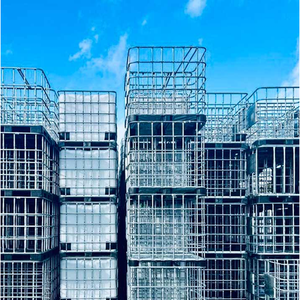
| Class 8 | Corrosives (Acids, Alkalis) | Flight deck segregation; deck corrosion safeguards | Acid-resistant polyethylene inner liners, UN-rated IBC totes |
| Class 9 | Miscellaneous (Lithium Batteries, Dry Ice) | IATA Lithium Battery Guidance; <30% State of Charge (SoC) | Thermal-runaway fireproof boxes, aerosol suppressants, smart telemetry |
In OEM manufacturing, ensuring that packaging meets the stringent UN Packaging Group I (X Rating), Group II (Y Rating), or Group III (Z Rating) standard is mandatory for air transport viability. High-risk hazardous chemicals and energy systems mandate Group I engineering, capable of enduring violent pressure drops, extreme ambient temperature variations (-40°C to +65°C), and intense mechanical vibrations associated with jet turbine acoustics and turbulence.
Our factory combines advanced material science, automated production lines, and real-time logistics telemetry to deliver unmatched protective infrastructure for dangerous goods.
Integrating full-scale OEM container manufacturing with global freight forwarding capabilities provides industrial clients with an unassailable competitive advantage. Traditional logistics workflows require companies to source certified hazardous containers from third-party manufacturers, arrange specialized freight forwarders, hire independent customs brokers, and negotiate separate cargo insurance coverage. Our integrated manufacturing and logistics hub streamlines this fragmentated process into a unified, risk-mitigated operation.
We engineer custom dangerous goods boxes, specialized IBC chemical tanks, battery transports, and offshore flat racks designed precisely to your cargo's volumetric dimensions and hazardous reactivity profile.
Strategically situated near primary international transport hubs like LAX, Port of Los Angeles, and major Asian air corridors, enabling rapid cargo consolidation and immediate apron access.
In-house licensed customs brokers handle complex ISF filings, HTS code classifications, duty calculations, and federal agency clearances (CBP, FDA, DOT, EPA) without third-party bottlenecks.
Round-the-clock monitoring services ensure time-critical dangerous goods shipments—such as life-saving pharmaceuticals or high-value lithium prototype batteries—arrive without delays.
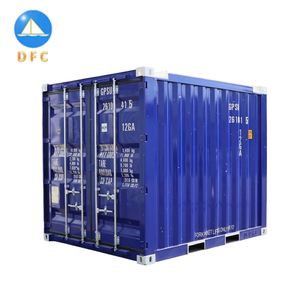
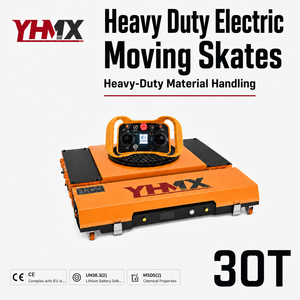
By leveraging direct control over OEM manufacturing, our facility produces high-grade DNV Certified 10ft, 20ft, and 40ft Offshore Flat Rack Containers engineered for extreme structural strain, alongside advanced Heavy Duty Industrial Electric Tank Transporters equipped with wireless remote control systems for retail, military, and industrial chemical distribution.
The global procurement landscape for dangerous goods air freight is undergoing a profound paradigm shift driven by technological innovation, stricter environmental mandates, and the rapid expansion of global clean-tech supply chains. Procurement directors, logistics executives, and supply chain strategists must adapt to several critical macro trends transforming hazardous cargo transport:
The accelerating global shift toward electric vehicles (EVs), grid-scale energy storage systems (ESS), and high-capacity consumer electronics has positioned Class 9 Hazardous Materials (UN 3480, UN 3481, UN 3090, UN 3091) as the fastest-growing segment in dangerous goods air logistics. Regulatory bodies including IATA and ICAO have instituted mandatory State of Charge (SoC) maximum thresholds of 30% for standalone lithium-ion battery air shipments. Procurement strategies now necessitate custom OEM thermal-runaway protection packaging that allows high-density cells to be transported safely under special permits.
Environmental directives like the European Union's Packaging and Packaging Waste Regulation (PPWR) are forcing a transition away from single-use expandable polystyrene (EPS) and hazardous chemical vermiculite inside outer boxes. Future-ready procurement relies on recyclable bio-based inner absorbents, reusable aluminum containers, and circular IBC tote leasing and purchase services that drastically minimize carbon footprints while upholding UN Packaging Group I structural integrity.
Passive cargo monitoring is rapidly becoming obsolete. Procurement specifications for high-value hazardous freight now mandate the inclusion of active cellular/satellite IoT devices embedded directly within custom packaging. These sensors transmit real-time telemetry regarding internal pressure differentials, sudden G-force impacts, thermal spikes, and atmospheric moisture—allowing air carriers and freight managers to intervene before catastrophic containment failures occur.
To circumvent global air freight congestion and localized regulatory variances, major industrial chemical and tech conglomerates are partnering with OEM manufacturers capable of producing modular, localized UN packaging on demand. This approach eliminates long lead times for specialized hazardous boxes and guarantees immediate compliance with regional airport authority mandates.
Addressing critical technical questions, regulatory compliance requirements, and manufacturing capabilities for enterprise procurement leaders.
Managing global dangerous goods logistics demands a partner who understands both the micro-engineering of protective UN-rated packaging and the macro-complexities of international air freight routing, customs compliance, and carrier deck capacity. By uniting custom OEM container manufacturing with door-to-door air freight forwarding, our factory empowers enterprises to minimize supply chain risk, eliminate compliance penalties, and accelerate market reach across North America, Europe, Asia, and emerging international markets.
Whether you require custom UN 4GV boxes for hazardous chemical samples, dedicated charter logistics for large-scale lithium battery shipments, DNV-certified offshore infrastructure, or seamless door-to-door customs clearance from China to the Netherlands, the UK, the USA, and Germany, our team delivers technical excellence at every step of the logistics lifecycle.
Connect directly with our dangerous goods packaging engineers and global air freight specialists. Get customized CAD container quotes, UN certification guidance, and competitive international freight rates tailored to your hazardous cargo needs.
