Engineered transport frameworks, certified flat-rack solutions, and specialized door-to-door forwarding for high-value OEM mining machinery.
A Comprehensive Technical Analysis on Managing High-Mass Breakbulk Project Cargo, Structural Axle Optimization, and Global Multimodal Escort Systems for Mining Infrastructure Equipment.
The global mining sector demands heavy equipment of unprecedented scale—ranging from 120-ton continuous miners and SAG mill shells to high-capacity hydraulic excavators and automated electric dump haulers. For original equipment manufacturers (OEMs) and turnkey mining contractors, moving these hyper-dimensional assets across international borders presents complex structural engineering, regulatory clearance, and route planning challenges. Oversized mining transport is not merely a shipping service; it is a specialized discipline governed by mechanical loading constraints, civil infrastructure limits, and stringent maritime security codes.
When transporting custom OEM machinery, traditional containerized shipping falls short. Equipment components frequently exceed standard high-cube envelope boundaries in width, height, and gross vehicle payload ratings (GVWR). The engineering matrix requires custom-fabricated tie-down configurations, distribution of concentrated axle weights across multi-axle hydraulic platform trailers (SPMTs), and compliance with structural bridge capacity ratings across international highways.
Key Insight: Moving high-mass mining machinery requires calculated structural weight distribution, DNV-certified rigid flat racks, real-time wireless telemetry, and pre-approved route permits across transit corridors to prevent catastrophic structural stress or operational delays.
Custom OEM mining equipment manufacturers require tailored transport solutions right from the factory floor. Machinery components often feature sensitive electronic control units (ECUs), high-pressure hydraulic manifolds, and heavy lithium-ion energy storage systems (Class 9 hazardous material). Transport planning must integrate modular dismantling schemes, protective anti-corrosion barrier packaging (VCI encapsulation), and heavy-lift rigging points certified under international maritime safety standards.
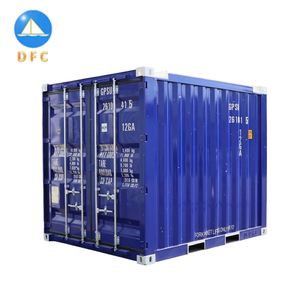
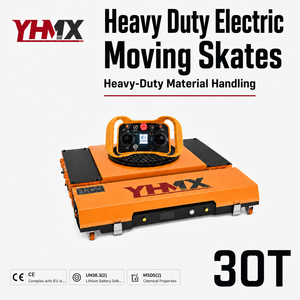
Our heavy-lift project cargo divisions utilize high-capacity DNV-certified 10ft, 20ft, and 40ft offshore flat-rack shipping containers alongside multi-axle roll-on/roll-off (RoRo) vessels and specialized breakbulk chartering. By integrating specialized 30-ton wireless remote-controlled electric tank carriers for internal plant movements, manufacturing facilities can move massive assemblies directly from fabrication bays to ocean transport frames without relying on overhead crane availability.
Cross-border transport of industrial capital goods requires navigating complex international trade regulations, customs compliance frameworks, and environmental clearance requirements. In North America, entry through major ports like Los Angeles and Long Beach demands seamless coordination with US Customs and Border Protection (CBP), Importer Security Filings (ISF 10+2), tariff classification under Harmonized Tariff Schedule (HTS) codes, and compliance with Transportation Security Administration (TSA) supply chain protocols.
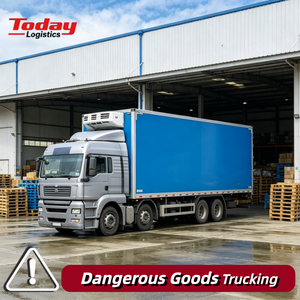
Furthermore, equipment carrying integrated battery banks or secondary fuel reservoirs falls under strict International Maritime Dangerous Goods (IMDG) codes. Hazardous goods classifications—ranging from Class 3 flammable liquids to Class 8 corrosives and Class 9 lithium power systems—require certified hazardous material handling, dangerous goods declarations (DGD), and specialized door-to-door drayage services with trained escorts.
Integrated logistics capabilities designed to solve complex supply chain bottlenecks for heavy industrial manufacturers.
Custom engineering plans for multi-ton gearboxes, crusher frames, and SAG mills utilizing SPMTs, heavy derrick cranes, and specialized ocean charters.
Deploying 30-ton electric tank carriers and heavy-duty industrial movers for precise positioning within manufacturing facilities and port staging yards.
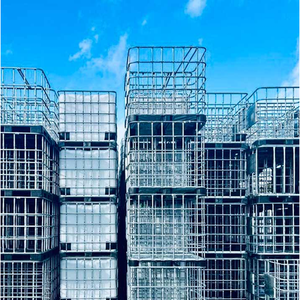
Certified dangerous goods forwarding for mining power systems, large chemical IBC storage systems, and industrial lithium battery arrays.
Round-the-clock control center monitoring shipment progress, shock sensor data, tilt thresholds, and ambient climate controls during long-haul transit.
In-house US Customs brokers providing rapid ISF entry filings, FDA clearance, tariff optimizations, and complete compliance guarantees.
Customized offshore flat racks and specialized container framing engineered to withstand harsh marine environments and heavy mechanical strain.
Strategic forecast for OEM procurement directors, supply chain managers, and mine site development leads (2025–2030).
As the global mining industry accelerates toward decarbonization, OEMs are shifting from diesel-hydraulic equipment to zero-emission battery-electric platforms. This shift drastically alters transport requirements. Heavy mining haulers now feature integrated high-capacity lithium-iron-phosphate (LFP) or solid-state batteries. Future procurement strategies must prioritize logistics partners certified in high-voltage Class 9 dangerous goods handling, featuring temperature-monitored enclosed transport units and real-time battery thermal runaway protection.
To bypass lengthy highway permit delays for super-load gross weights (exceeding 200,000 lbs), OEMs are adopting modular engineering designs. Mining machinery is increasingly fabricated in sub-assembled modules designed to fit within standardized DNV-certified flat-rack footprints. Procurement teams are selecting transport partners capable of providing rapid on-site reassembly oversight, short-haul heavy drayage, and bonded storage facilities immediately adjacent to major ocean terminals like Los Angeles, Rotterdam, and Shanghai.
Environmental, Social, and Governance (ESG) compliance has become a key evaluation criterion for mining equipment tenders. Major mining houses now require Tier-1 suppliers to provide accurate carbon footprint accounting for the entire transit life-cycle of their machinery. Advanced route optimization algorithms, intermodal rail transfers, and eco-efficient ocean carrier allocations are becoming standard procurement requirements.
| Transport Configuration | Payload Capacity | Primary Application | Regulatory & Escort Requirements |
|---|---|---|---|
| Multi-Axle SPMT Platform | Up to 1,000+ Tons | SAG Mill Shells, Crushing Stations | Civil engineering bridge calculations, police escort, custom route permits. |
| DNV Certified Flat-Rack (40ft) | Up to 50 Tons | Excavator Boom Assemblies, OEM Motors | DNV 2.7-1 Structural Certification, marine lash approvals, Breakbulk stowage. |
| 30-Ton Remote Electric Carrier | Up to 30 Tons | Factory Bay to Yard Heavy Transfers | Wireless remote safety isolation, low-speed indoor floor-loading verification. |
| Class 3/8/9 Hazardous Drayage | Variable Container Rating | Chemical IBC Containers, Battery Packs | IMDG Certification, Hazmat certified drivers, CBP dangerous goods filings. |
Expert answers to critical operational, regulatory, and logistics queries encountered during OEM machinery transport.
Oversized machinery is secured using heavy-duty lashing chains, certified turnbuckles, and custom steel chocks welded directly to DNV-certified flat racks or vessel decks. Every lashing plan undergoes structural stress calculation and marine surveyor sign-off to handle severe sea conditions.
Key documentation includes the Commercial Invoice, Packing List, Ocean Bill of Lading (B/L), Importer Security Filing (ISF 10+2), EPA declaration forms (for diesel engines), and EPA/DOT compliance certificates. Licensed customs brokers manage entry filings to clear US CBP rapidly.
Wireless remote carriers allow heavy machinery sub-assemblies to be maneuvered smoothly across factory floors without relying on fixed overhead crane lines. They feature high maneuverability, zero local emissions, precise millimeter positioning, and low deck clearance for easy loading.
Depending on dimensions and state/provincial jurisdictions, permit lead times range from 2 to 6 weeks. High-mass loads requiring bridge structural analysis, utility line lifts, or state police escorts demand longer preparation times, which we integrate into project schedules.
Yes, provided the batteries are installed and secured within the machine frame or packed in compliance with IMDG/DOT UN 3480/3481 regulations. Proper hazardous labeling, dangerous goods declarations, and temperature-controlled monitoring must be maintained throughout transit.
DNV 2.7-1 certified containers undergo rigorous structural testing for dynamic lifting forces, extreme thermal variations, and harsh marine exposure. They provide maximum structural integrity for off-shore and heavy industrial project cargo, minimizing frame flex and load shift.
Consult with our heavy-lift project engineers and licensed customs brokers. Receive a comprehensive route survey, loading analysis, and all-inclusive logistics proposal.
Get a Quote