Engineered for international bulk trade, hazardous agro-chemicals, temperature-sensitive grain logistics, and heavy-duty machinery transportation.
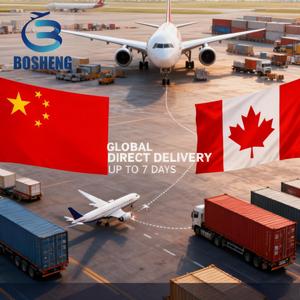
Time-critical express air freight for perishable seed samples, high-value agricultural biotechnology, and urgent crop protection supplies with full EU customs clearance.
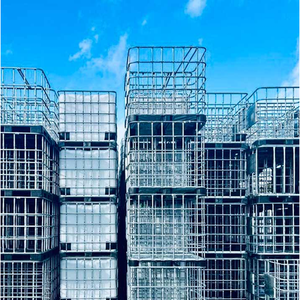
UN-certified reconditioned and new 1000L Intermediate Bulk Containers (IBCs) engineered for liquid agro-fertilizers, pesticides, and bio-chemical reverse logistics pipelines.
Integrated ocean chartering, breakbulk handling, and HAZMAT logistics for large-scale agricultural commodities, bulk grain shipments, and Class 3/8/9 agro-chemicals.
High-frequency FCL and LCL containerized shipping for bulk agricultural exports. Direct liner access connecting major Pacific Rim and Transatlantic grain terminals.
Specialized Class 9 hazardous cargo transport for industrial lithium-ion batteries powering smart agricultural machinery, sensors, and automated harvesting robotics.
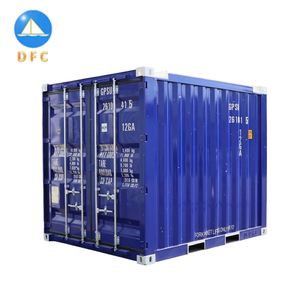
Customized heavy-duty flat rack containers engineered for oversized agricultural machinery, tractors, grain silos, and specialized offshore project logistics.
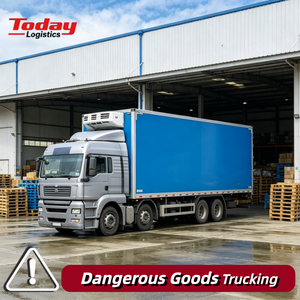
Comprehensive overland drayage and road transport network equipped for dangerous goods, liquid agricultural fertilizers, corrosives, and bulk chemical distribution.
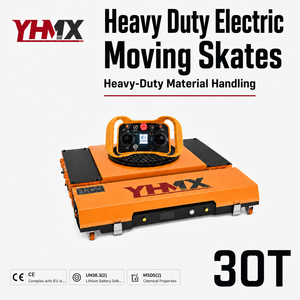
Wireless remote-controlled heavy-duty electric tank carriers designed for port terminal bulk grain transfers, chemical processing plants, and high-capacity storage facilities.
Global supply chain dynamics in the agricultural sector are undergoing a structural paradigm shift. As a premier OEM/ODM Agricultural Commodities Bulk Shipping Factory & Exporter, maintaining precision control over multi-modal transit corridors is no longer merely an operational preference—it is a baseline prerequisite for commercial survival. Agricultural bulk commodities, encompassing cereal grains (wheat, corn, barley), oilseeds (soybeans, sunflower seeds), pulse crops, sugar, and non-edible cash crops, demand a sophisticated integration of ocean chartering, dry bulk containerization, moisture-controlled storage, and regulatory risk management.
Custom Original Equipment Manufacturing (OEM) and Original Design Manufacturing (ODM) in agricultural shipping extend beyond basic product labeling. It represents the structural engineering of bulk packaging systems customized to the physical properties of the specific commodity being transported:
As corporate sustainability directives intersect with supply chain volatility, enterprise procurement teams are fundamentally altering how bulk agricultural freight is sourced and executed. Procurement managers must adapt to three core structural shifts:
Historically, agricultural commodities were dominated by Handysize and Supramax breakbulk vessels. However, unpredictable port congestion, lengthy demurrage charges, and minimum volume requirements (often exceeding 25,000 metric tons) have driven buyers toward Containerized Dry Bulk Logistics. By utilizing containerized flexitanks and bulk liners, buyers can order in smaller 500-to-2,000 metric ton increments, drastically lowering working capital strain while securing just-in-time delivery.
Global food manufacturers are bound by Scope 3 carbon reporting standards. Consequently, OEM/ODM agricultural bulk exporters are required to provide verifiable carbon emission audits per ton-kilometer shipped. Implementing dual-fuel LNG vessels, bio-fuel road drayage fleets, and route-optimization AI algorithms has transformed green shipping from a marketing slogan into a contractual procurement prerequisite.
The procurement of single-use bulk packaging is rapidly diminishing. Industrial agricultural buyers now mandate closed-loop systems, such as returnable Intermediate Bulk Containers (IBCs) and recyclable polypropylene dry bulk liners. Reverse logistics programs—facilitated by localized freight forwarders—allow empty containers to be cleaned, certified, and re-introduced into regional chemical and fertilizer supply chains.
| Logistics Dimension | Containerized OEM/ODM Bulk (Flexitanks / Liners) | Traditional Breakbulk Ocean Vessel |
|---|---|---|
| Minimum Order Quantity (MOQ) | 1 x 20ft Container (~24 Metric Tons / 24,000L) | 5,000 to 25,000+ Metric Tons per Charter |
| Cargo Protection & Risk | Hermetically sealed; Zero contamination between batches | High risk of moisture, pest infestation, and co-mingling |
| Demurrage & Storage Costs | Low; Standard port container free-time applies | Extreme; Vessel demurrage fees reach $15,000–$35,000/day |
| Inland Multimodal Access | Direct rail/truck transport to remote agricultural silos | Restricted to deep-water ocean ports with bulk grain terminals |
| Regulatory Compliance | Pre-inspected food-grade films; Automated USDA/CBP clearance | Complex hold inspections; High risk of quarantine rejection |
The agricultural commodity logistics sector is evolving rapidly under the influence of global geopolitical re-alignment, climate variability, and strict biosecurity frameworks. Key macroeconomic development trends include:
1. Automated Customs Border Protection (CBP) and USDA Integration: Importers in North America, Europe, and Asia face intensifying biosecurity scrutiny. Digital supply chains now integrate automated ISF (Importer Security Filing), phytosanitary documentation verification, and tariff classification before vessels depart foreign origin ports. This eliminates hold times at customs checkpoints, preserving commodity viability.
2. Dangerous Goods (HAZMAT) Compliance for Agro-Chemicals: Bulk agricultural operations rely heavily on nitrogen fertilizers, pest-control agents, and battery-powered autonomous machinery. Handling Class 3 (Flammable Liquids), Class 8 (Corrosives), and Class 9 (Miscellaneous Dangerous Goods / Lithium Batteries) requires certified hazardous material freight forwarders with specialized drayage equipment, dangerous goods manifests, and trained personnel.
3. Resilience Engineering & Nearshoring Sourcing Networks: Global trade disruptions have forced agricultural trading houses to establish redundant supply corridors. OEM/ODM bulk shipping factories provide flexible export packaging that can be rapidly rerouted between ocean carriers, rail corridors, and air freight channels in response to regional port labor strikes or canal choke-points.
Backed by over two decades of international freight forwarding dominance, our infrastructure bridges the gap between global agricultural producers and regional distribution channels. We combine deep industry knowledge with robust execution capabilities:
Technical and operational answers for procurement directors, commodity traders, and agricultural exporters.
Connect with our senior logistics directors to receive engineered OEM/ODM bulk shipping proposals, custom flexitank specifications, and direct freight quotes.
