Engineered for global manufacturers, brands, and industrial suppliers requiring compliance-driven overseas warehouse handling, hazardous material shipping, and heavy industrial freight logistics.
Technical operational paradigms for modern manufacturers optimizing cross-border lead times, duty structures, and inventory velocity.
In today’s hyper-competitive global trade ecosystem, standard port-to-port ocean freight is no longer sufficient to maintain market leadership. Enterprise procurement directors and OEM/ODM brand managers are increasingly transitioning toward integrated Overseas Warehouse Fulfillment Frameworks. By establishing direct inventory buffers in key destination markets such as North America (via Los Angeles/LAX gateways) and Europe, manufacturers eliminate the latency of 30-day ocean transits for end-user order dispatch.
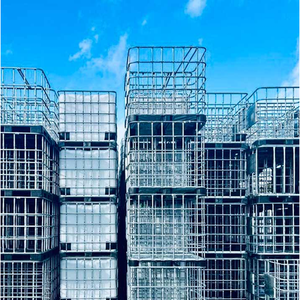
An OEM/ODM logistics model requires far more than passive square footage rental. It demands full-stack customized packaging, specialized barcoding, serial-number tracking, automated Warehouse Management System (WMS) API integrations, and compliant hazmat staging capabilities. Whether managing bulk industrial equipment, certified IBC chemical containers, or sensitive lithium-ion batteries, our overseas warehousing operations act as a seamless extension of your factory floor.
Information Gain Insight: Deploying localized OEM/ODM overseas fulfillment reduces direct order-to-delivery lead times from 35 days down to under 48 hours, while simultaneously lowering last-mile parcel shipping expenditures by up to 32% via zone-skipping distribution strategies.
Key systemic developments transforming global supply chain management for enterprise procurement leaders.
Global supply chains are decentralized from mega-warehouses into agile micro-fulfillment centers positioned adjacent to major international transport hubs (such as LAX, Port of Long Beach, and Rotterdam), drastically compressing last-mile delivery windows.
Advanced predictive algorithms automatically calculate seasonal buffer safety stock levels across overseas warehouses, preventing stockouts while reducing excess inventory carrying costs by up to 22% annually.
Global trade regulations increasingly enforce strict cradle-to-grave traceability. Reverse logistics programs for heavy industrial equipment, such as UN-rated chemical IBC container return services, are mandatory for multinational compliance.
With the surge in EV and energy storage systems (BESS), OEM supply chains require dedicated Class 9 Dangerous Goods handling protocols, specialized DNV-certified containers, and stringent UN 38.3 thermal containment logistics.
To hedge against single-port congestion, supply chain architects leverage strategic gateways such as Southern California (LAX / Port of Los Angeles) paired with bonded cross-border trucking corridors into regional distribution hubs.
Procurement teams utilize bonded overseas warehouse structures to execute Section 301 tariff mitigation, duty drawback recovery, and first-sale valuation programs that protect operating margins in shifting trade policy environments.
Decades of operational experience, licensed customs expertise, and tactical proximity to major international maritime and aviation hubs.
Headquartered strategically at 5510 W 104th St, Suite 300, Los Angeles, CA 90045, our core hub operates in immediate proximity to Los Angeles International Airport (LAX) and the Ports of Los Angeles and Long Beach—the primary maritime commercial gateway of North America. This geographic position allows us to offer unmatched container drayage speeds, late-cutoff air cargo tendering, and direct cross-docking into our overseas warehouse network.
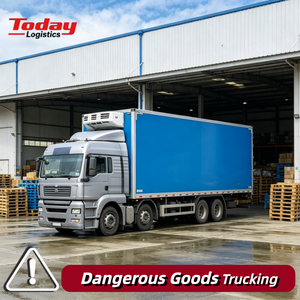
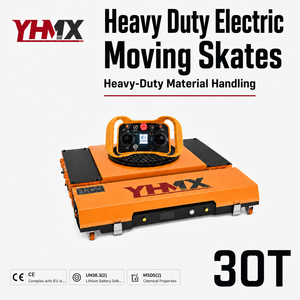
As a licensed U.S. Customs Broker and certified global freight forwarding enterprise, we navigate complex regulatory mandates across U.S. CBP, FDA, TSA, and international maritime organizations (IMO). From managing 30-ton electric tank carriers to Class 3, 8, and 9 hazardous goods trucking, our operations are built on strict compliance, transparent pricing, and 24/7 client visibility.
Technical logistics and procurement insights addressing common international overseas warehousing and dangerous goods queries.
An OEM/ODM overseas warehouse fulfillment model allows global manufacturers to pre-position inventory close to target markets. Key benefits include compressing delivery times from weeks to 24–48 hours, reducing last-mile shipping costs via localized zone skipping, mitigating sea freight rate volatility, providing value-added OEM customized packaging or kitting on demand, and deferring tariff duties through bonded warehouse facilities.
Our hazardous cargo division maintains certified dangerous goods specialists qualified under IATA (air), IMDG (ocean), and DOT/ADR (ground trucking) regulations. For lithium-ion battery shipments (UN3480 / UN3481), we handle UN-tested safety packaging, thermal isolation staging, compliant hazardous deklaration filings, and door-to-door temperature-monitored transportation with full customs compliance.
We provide structured global reverse logistics programs for chemical transportation equipment, such as Intermediate Bulk Containers (IBCs). We coordinate the collection of emptied containers from international buyers, inspect and decontaminate units to UN safety standards, and execute cost-effective return ocean shipping or localized reconditioning services to maximize container lifecycle ROI.
Yes. Our warehouse management systems feature robust REST APIs and traditional EDI connections (such as EDI 856 ASN, EDI 940 Shipping Order, and EDI 945 Inventory Advice). This enables full real-time synchronization between your factory’s ERP (SAP, Oracle, NetSuite, etc.) and our overseas fulfillment centers for automated dispatch and live inventory tracking.
Under Delivered Duty Paid (DDP) terms, our licensed customs brokerage handles the entire import clear-through process. We prepare the Importer Security Filing (ISF), assign correct Harmonized Tariff Schedule (HTS) codes, pay all applicable customs duties and taxes on your behalf, clear regulatory agency holds (such as FDA or CBP), and deliver the cargo directly to your final destination or warehouse facility.
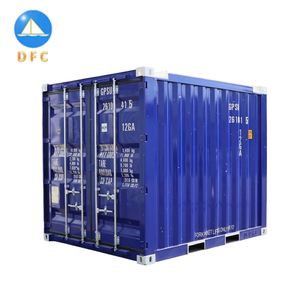
For offshore industrial logistics and heavy machinery transport, containers must meet DNV 2.7-1 / EN 12079 structural safety standards. Our customized 10ft, 20ft, and 40ft flat rack containers are manufactured with high-strength structural steel, certified pad eyes, and rigorous NDT testing to ensure safe transport via ocean breakbulk or specialized offshore supply vessels.
Consult with our senior supply chain engineers to design a high-velocity overseas warehousing, dangerous goods shipping, or customized freight strategy tailored to your business goals.
