Engineered components, high-capacity structural assemblies, and specialized transport gear built for industrial wind farm deployment.
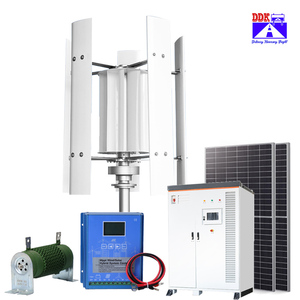
Off-grid and grid-connected horizontal/vertical axis wind energy systems designed for remote industrial power and microgrid integration. Heavy-duty chassis and anti-corrosive marine coatings.
Inquire Now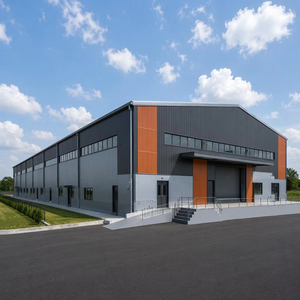
Extra wide bay galvanized steel frame system engineered for staging nacelles, rotor blades, and heavy gearboxes. Modular, clear-span design optimized for port marshaling logistics yards.
Inquire Now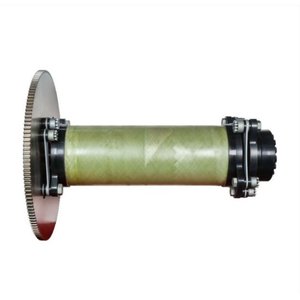
High load capacity custom CNC machined flexible couplings for direct-drive and geared wind turbines. Engineered to withstand intense torsional vibration and heavy dynamic load spikes.
Inquire Now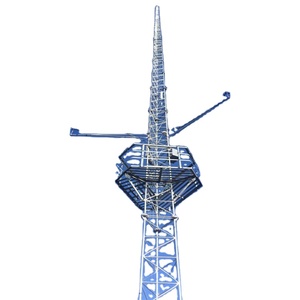
Heavy-gauge hot-dip galvanized steel section towers for utility wind monitoring and medium wind turbine mounting. Telescopic section design optimized for flat-rack container transportation.
Inquire Now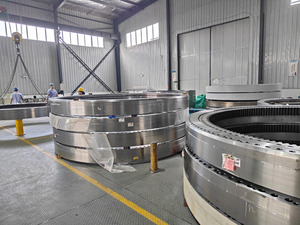
Large-scale slewing ring pitch bearings designed for 4.5MW to 10MW offshore/onshore wind turbines. Includes custom shock-absorbing transit frames to prevent brinelling during long sea voyages.
Inquire Now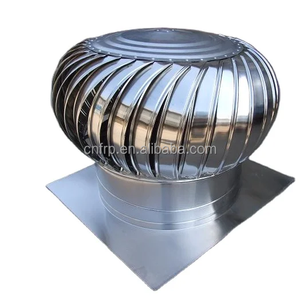
400mm-500mm CE certified stainless steel non-powered aerodynamic roof ventilators. Zero-energy cooling solution for power sub-stations, logistics warehouses, and generator nacelle housings.
Inquire Now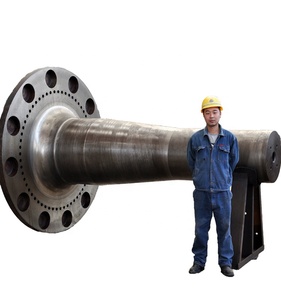
Precision-forged main rotor shafts and torque transmission flanges. Built for mega-watt class wind generators, delivered with specialized heavy-lift cradle framing for ocean breakbulk transit.
Inquire Now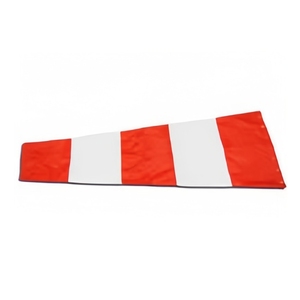
Aviation-grade illuminated red-white striped windsock assemblies for wind farm site surveying, offshore helidecks, and airport meteorological towers. Weatherproof UV-stabilized nylon construction.
Inquire NowDeploying specialized heavy transport, port marshaling, and OEM supply chain integration from Los Angeles to the world.
Specialized handling of super-sized wind turbine components including nacelles, 80m+ turbine blades, and heavy tower sections using Self-Propelled Modular Transporters (SPMT) and multi-axle extendable flatbeds.
In-house licensed US Customs Brokers handling Importer Security Filing (ISF), tariff classification under HTS Code 8502.31, FDA/CBP clearance, and duty drawback management across Southern California ports.
Continuous satellite monitoring of high-value cargo. Geofenced route alerts, tilt/vibration monitoring for pitch bearings, and 24/7 dedicated logistics dispatch team support.
As the global energy transition accelerates toward net-zero targets, the wind energy sector is experiencing a structural shift toward ultra-large turbine architectures. Commercial onshore installations now regularly exceed 5MW, while offshore wind projects are standardizing on 12MW to 15MW direct-drive platforms. While these megawatt-class turbines drastically reduce the Levelized Cost of Energy (LCOE), they create unprecedented challenges for the OEM/ODM wind turbine component supply chain and heavy-lift logistics networks.
Managing the transit of non-standard, dimensional cargo—such as 100-meter turbine blades, 150-ton generator nacelles, 4.5MW+ pitch slewing bearings, and multi-section galvanized tubular towers—requires moving beyond traditional freight forwarding. It demands specialized project cargo logistics, comprehensive route survey engineering, advanced port marshaling yard management, and absolute regulatory compliance.
Transportation logistics represents one of the largest land-based expenditures in wind farm development, accounting for up to 12% to 18% of total capital expenditure (CAPEX). Moving oversized components from OEM manufacturing hubs (primarily in Asia and Europe) to remote installation sites across North America demands a unified multimodal transport chain:
Over-the-road transport of extra-long blades requires steerable trailing dollies and hydraulic blade lifters capable of tilting blades up to 60 degrees to navigate tight mountain turns, urban roundabouts, and overhead utility lines without clearing structural vegetation.
Port gateways like the Port of Los Angeles and Long Beach serve as vital staging hubs. Storage facilities must offer ground load capacities exceeding 25 tons per square meter, equipped with heavy crawler cranes and SPMTs for seamless vessel-to-barge or truck transshipment.
Furthermore, structural components such as Torque Transmission Flanges, Main Rotor Shafts, and Pitch Bearings require climate-controlled packaging and specialized anti-vibration framing during oceanic transit. Ocean transport across rough seas causes microscopic relative motion between bearing races and rolling elements—a phenomenon known as false brinelling. LA 24-7 Forwarder collaborates directly with OEM engineering teams to design custom transport frames with rubber isolation mounts and continuous rotation locks to eliminate transit-induced mechanical degradation.
The global wind turbine procurement landscape is undergoing three major transformations that procurement managers and supply chain directors must integrate into their strategic planning:
Due to the sheer physical footprint of wind turbine assemblies, clearance delays at arrival ports can lead to catastrophic demurrage fees, often accumulating thousands of dollars per day per flat-rack or heavy-lift vessel berth. Implementing a robust customs clearance protocol is non-negotiable for project success.
LA 24-7 Forwarder leverages over two decades of specialized customs brokerage in Los Angeles to execute pre-arrival Importer Security Filings (ISF), review complex Harmonized Tariff Schedule (HTS) classifications for hybrid mechanical-electrical turbine assemblies, and coordinate duty deferment program compliance. By coupling customs clearance directly with dedicated heavy-haul drayage trucks, component transit times from dock-to-wind farm site are reduced by up to 35%.
As offshore wind projects expand along the North American coastlines, logistics strategies must adapt to deep-water floating foundations and specialized offshore installation vessels (WTIVs). Staging floating platform mooring lines, subsea power cable reels, and 15MW direct-drive nacelles demands specialized marine coordination, feeder barge operations, and strict adherence to maritime regulations including Jones Act compliance in US territorial waters.
Technical insights on wind turbine component logistics, procurement standards, and international freight handling.
