Explore our engineered freight, specialized chemical containers, and heavy industrial machinery transport solutions powering the end-to-end global textile and garment ecosystem.
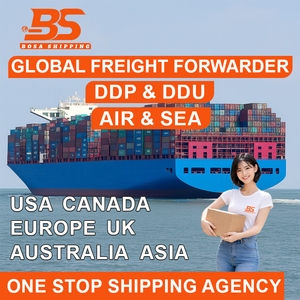
Priority fast-track air freight for high-value garment samples, urgent textile trims, and seasonal apparel launches connecting Asian manufacturing hubs to European distribution networks.
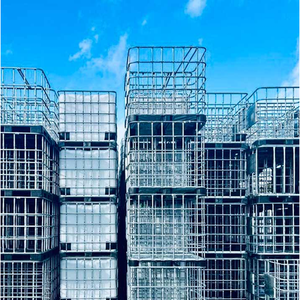
UN-certified intermediate bulk containers designed for safe storage, circular return, and purchase service of industrial textile dyes, auxiliaries, and liquid finishing chemicals.
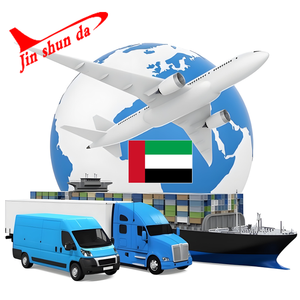
End-to-end supply chain orchestration offering bulk raw cotton ocean containerization, hazardous material management, and multi-modal door-to-door logistics optimization.
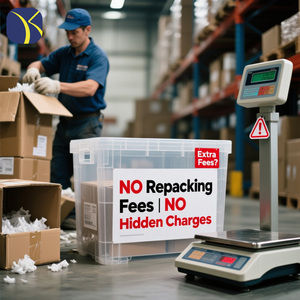
High-capacity FCL/LCL ocean shipping lanes for finished garments, woven fabrics, and home textiles serving key ports across the United States, United Kingdom, Italy, and France.
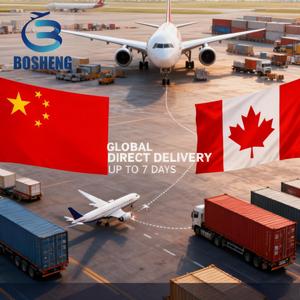
Strict compliance logistics handling smart-textile lithium batteries, hazardous textile solvents, and chemical agents bound for European industrial production centers.
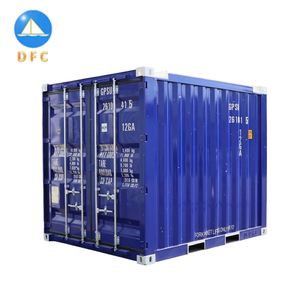
Heavy-duty DNV certified flat-rack containers designed for out-of-gauge textile machinery, large automated spinning frames, and industrial loom equipment transport.
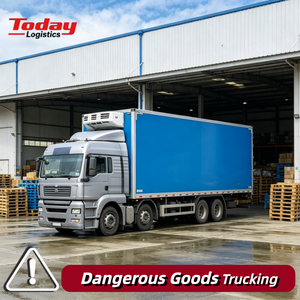
Licensed drayage and road freight for Class 3 flammable liquids, Class 8 corrosives, and Class 9 dangerous goods essential for textile processing and fabric finishing mills.
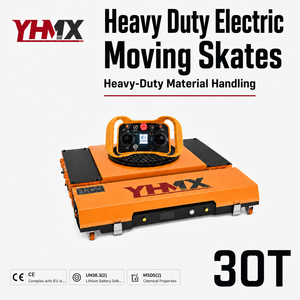
Wireless remote-controlled heavy-duty electric transporters for repositioning massive dye vats, chemical processing tanks, and heavy industrial machinery inside textile plants.
The global textile and apparel industry has entered a decade of profound structural realignment. Driven by shifting geopolitical alliances, stringent E.U. Environmental, Social, and Governance (ESG) mandates, rapid-response fast-fashion cycles, and volatile raw material pricing, procurement executives can no longer rely on traditional low-cost labor paradigms. Today’s market leaders evaluate supply chain partners based on vertical integration depth, digital traceabilities, environmental compliance, and multimodal freight resilience.
Managing an international garment production ecosystem requires seamless coordination between fiber extraction, yarn spinning, fabric weaving/knitting, chemical wet processing (dyeing and finishing), garment assembly, and cross-border logistics. Disruptions in any single node—such as delayed hazardous dye delivery or port bottlenecks for out-of-gauge loom machinery—can collapse entire retail drop schedules. This whitepaper analyzes the Top 10 Textile Garment Supply Chain Factory & Supplier Models, benchmarking their operational capabilities and supply chain logistics requirements.
Strategic Procurement Insight: Modern apparel profitability is determined 40% on factory floor yield and 60% on supply chain velocity, container utilization, and hazardous chemical compliance management.
| Factory & Supplier Category | Primary Production Specialization | Average Lead Time | ESG & Compliance Standards | Critical Logistics Requirement |
|---|---|---|---|---|
| 1. Fully Integrated Megamills | Raw Cotton/Synthetic Spinning to Finished Apparel | 30 - 45 Days | OEKO-TEX Standard 100, ISO 14001 | Bulk Container Sea Freight (FCL) |
| 2. Technical & Activewear Foundries | Waterproof, Seamless & Smart Synthetics | 21 - 30 Days | Bluesign Certified, HIGG Index | Precision Air Freight & Battery Hazmat |
| 3. Sustainable Circular Fiber Hubs | Recycled Cotton, Viscose & Bio-Polyesters | 40 - 60 Days | Global Recycled Standard (GRS) | Closed-loop Chemical IBC Transport |
| 4. Micro-Batch Fast-Fashion Units | Ultra-Rapid On-Demand Small Run Garments | 7 - 14 Days | SMETA Audit, Sedex Approved | Express Air Cargo Door-to-Door |
| 5. Luxury & Artisanal Workshops | High-End Wool, Silk & Tailored Garments | 45 - 90 Days | REACH Compliant, Traceable Silk | Climate-Controlled White-Glove Cargo |
| 6. Industrial & Workwear Fabricators | Flame-Retardant & High-Vis Protective Gear | 30 - 50 Days | EN ISO 20471, ANSI/ISEA 107 | Heavy Duty Trucking & Tariff Brokerage |
| 7. Eco-Denim Wash & Finishing Plants | Low-Water Denim Laser & Ozone Finishing | 25 - 35 Days | ZDHC Hazardous Zero Discharge | Class 3/8/9 Chemical & Solvent Drayage |
| 8. Automated Seamless Knit Mills | 3D Whole-Garment Weaving & Hosiery | 14 - 21 Days | ISO 9001 Quality Management | Precision Heavy Machinery Logistics |
| 9. Chemical & Dyestuff Refineries | Textile Pigments, Auxiliaries & Finishes | 10 - 20 Days | REACH, GOTS Dye Certification | UN-Rated Dangerous Goods Forwarding |
| 10. Nearshore Modular Assembly Units | Rapid Regional Cut-Make-Trim (CMT) Operations | 5 - 10 Days | WRAP Certified (Worldwide Responsible) | Cross-Border Drayage & Bonded Trucking |
Located predominantly across Mainland China, India, Pakistan, and Vietnam, vertically integrated megamills represent the backbone of global mass-market apparel. By controlling the complete transformation chain from raw cotton baling and synthetic polymerization to spinning, weaving, wet processing, and assembly, these suppliers eliminate intermediary markups and minimize inter-factory transport friction. Sourcing from megamills requires robust ocean freight infrastructure (such as 40ft High-Cube container fleets) and bonded warehousing capabilities at origin ports.
Specializing in waterproof membranes (e.g., PTFE/PU laminates), moisture-wicking synthetics, and elastomeric compression fabrics, technical foundries serve the activewear, outerwear, and athleisure segments. Factories in Taiwan, South Korea, and Southern China lead this category. These facilities rely heavily on high-purity chemical bonding agents and specialized smart-textile components (such as integrated micro-sensors and heating elements), which demand certified hazardous materials shipping and battery transport clearance.
Driven by strict European Union waste directives, circular fiber hubs convert post-industrial garment scraps and post-consumer textiles back into spinnable fiber. Leading suppliers in Turkey, Portugal, and Scandinavia utilize advanced mechanical and chemical recycling infrastructure. Circularity depends on closed-loop logistics—returning used chemical drums and IBC containers for re-refining while coordinating bulk shipments of sorted textile waste back to processing facilities.
Operating under ultra-agile manufacturing models, micro-batch factories produce initial test runs of 100 to 500 units per style within 7 days. Once real-time e-commerce analytics validate consumer demand, production scales instantly. Located near major air freight corridors (Guangzhou, Dhaka, Istanbul), these suppliers require seamless China to Europe/USA air cargo door-to-door services to bypass traditional maritime transit times.
Italy, France, Japan, and Scotland host specialized workshops creating bespoke menswear, cashmere knitwear, and couture fashion. Sourcing from these suppliers involves low production volumes, ultra-high material costs, and stringent temperature/humidity sensitivity during transport. Freight forwarding for luxury suppliers requires specialized white-glove cargo security, GPS tracking, and accelerated customs entry clearance.
Workwear factories specialize in heavy-duty canvas, flame-retardant (FR) treated textiles, anti-static weaves, and high-visibility uniforms for corporate, medical, and military applications. Production involves heavy fabric weights, which quickly max out container weight limits before volume limits are reached. Efficient sourcing demands heavy-payload trucking, drayage expertise, and precise tariff classification to manage complex duty structures.
Denim manufacturing has evolved from water-intensive indigo dyeing to high-tech laser ablation, ozone bleaching, and nanobubble finishing. Eco-wash plants in Mexico, Turkey, and China significantly reduce water usage but depend on specialized finishing chemicals, enzymes, and resin treatments. Handling these auxiliaries requires certified Class 3, Class 8, and Class 9 dangerous goods freight forwarders equipped to manage chemical transport safety protocols.
Utilizing 3D whole-garment computer numerical control (CNC) knitting machines (such as Shima Seiki or Santoni systems), automated knit mills eliminate fabric cutting and sewing waste entirely. Machinery installation, calibration, and plant expansions require specialized heavy cargo shipping, utilizing DNV-certified flat-rack containers and heavy industrial transporters to move multi-ton knitting machinery securely across international oceans.
While not producing finished garments, dyestuff refineries are the fundamental enablers of the textile color economy. Producing reactive dyes, disperse pigments, liquid indigo, and water-repellent fluorochemical-free finishes, these chemical suppliers must comply with global REACH and ZDHC (Zero Discharge of Hazardous Chemicals) guidelines. Shipping dyestuffs requires UN-rated packaging, temperature stability, and robust chemical drayage infrastructure.
Nearshoring hubs in Central America (CAFTA-DR region), North Africa (Morocco, Tunisia), and Eastern Europe serve brands seeking reduced transit times to major consumer markets in North America and Western Europe. These facilities focus primarily on Cut-Make-Trim (CMT) operations. Their operational success relies on fast cross-border logistics, bonded trucking lines, and immediate customs duty drawback management.
As the apparel industry addresses climate targets and supply chain volatility, procurement directors are shifting from reactive purchasing to proactive structural engineering. The following four macro-trends will dominate garment sourcing over the next five years:
Brands are balancing China's unparalleled fabric manufacturing infrastructure with secondary garment assembly hubs in Vietnam, Bangladesh, Cambodia, and Mexico to mitigate geopolitical risks and tariff fluctuations.
By 2026, European regulations will require garments to carry scannable DPPs detailing full tier-1 to tier-4 supply chain mapping, material origin, chemical safety, and repairability metrics.
Next-generation finishing mills are adopting zero-water dyeing technologies using pressurized carbon dioxide. This reduces chemical runoff but requires high-pressure industrial vessel transportation.
The modernization of garment factories requires moving beyond labor considerations to focus on advanced plant infrastructure. Modern textile factories are increasingly automated, relying on heavy machinery and specialized chemical transport systems:
Upgrading textile mills with high-speed air-jet looms, automated continuous bleaching ranges, and multi-color printing machines requires specialized heavy-lift project cargo management. Moving heavy machinery from machinery producers in Germany, Italy, or Japan to garment factories in Southeast Asia or South America requires specialized transport solutions—such as DNV-certified offshore flat rack containers and 30-ton remote-controlled electric tank carriers to position vats within manufacturing bays safely.
Modern fabric treatments—including stain-resistant coatings, fire-retardant barriers, and synthetic color fixatives—rely on chemical compounds classified as dangerous goods (Class 3 flammable liquids, Class 8 corrosive substances, and Class 9 miscellaneous hazardous materials). Maintaining uninterrupted factory operations requires logistics partners capable of navigating international maritime dangerous goods (IMDG) codes, managing UN-rated IBC containers, and executing compliant door-to-door drayage.
Our integrated logistics platform provides specialized transportation solutions engineered to support complex, high-velocity textile and garment supply chains worldwide:
Direct freight agreements connecting major Asian manufacturing corridors to key consumer markets across the United States, Netherlands, UK, Germany, Italy, and France.
Full regulatory clearance capabilities for Class 3, 8, and 9 hazardous textile dyes, finishing solvents, and smart-apparel lithium battery assemblies.
Around-the-clock proactive shipment monitoring, customs clearance coordination, and real-time container visibility to eliminate line-down events at destination mills.
Whether you require fast-track sample air freight, hazardous dye transport, or heavy industrial machinery logistics, our team delivers reliable end-to-end supply chain execution customized to your production requirements.
