Engineered for hazardous liquid chemicals, high-purity gases, offshore projects, and multimodal door-to-door international transport.
Express, temperature-controlled air freight routing for high-value chemical samples and active ingredients under strict EU compliance.
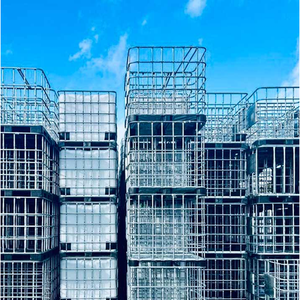
Heavy-duty stainless steel and composite IBC containers with certified repurchase, turnaround, and refurbishment services.
Comprehensive freight handling for Class 3, 6, 8, and 9 chemicals with full dangerous goods documentation and vessel space guarantees.
Direct carrier contracts connecting main Chinese chemical ports (Shanghai, Ningbo, Qingdao) to major European and North American hubs.
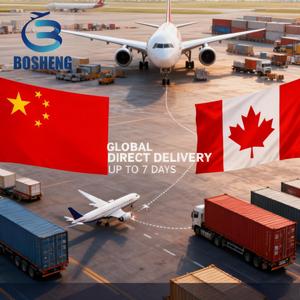
Certified Class 9 hazardous transport for lithium-ion storage and precursor chemical shipments to Spain, Belgium, and Sweden.
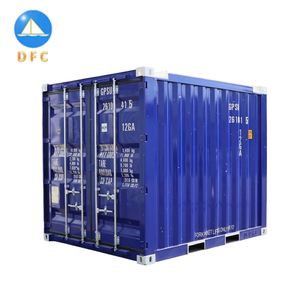
Heavy-duty 10ft/20ft offshore frames designed for extreme marine environments, oilfield chemical injection, and rig supply.
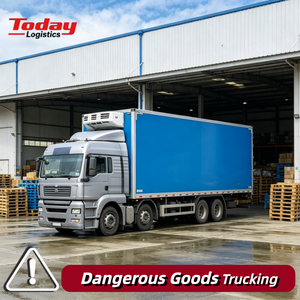
Licensed hazardous material road freight equipped with ADR-certified drivers, emergency spill containment, and GPS tracking.
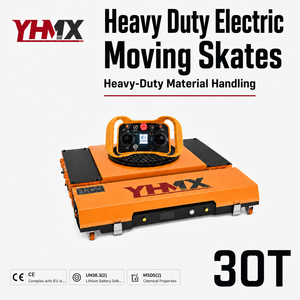
Zero-emission heavy-duty yard transporter with wireless remote guidance for safe maneuvering of ISO tanks in chemical terminals.
The global bulk chemical transportation paradigm has transitioned permanently toward standardized, intermodal ISO Tank Containers (UN Portable Tanks). Driven by regulatory mandates, sustainability goals, and total cost of ownership (TCO) optimization, chemical manufacturers and global exporters require highly specialized equipment engineered to maintain structural integrity under extreme thermal, hydraulic, and mechanical stresses.
As premier China-based chemical freight manufacturers and exporters, our operational architecture strictly adheres to international standards set forth by the International Maritime Organization (IMO), the International Maritime Dangerous Goods (IMDG) Code, ASME Section VIII Division 1, and ISO 1496-3 (Series 1 Tank Containers for Liquids, Gases, and Pressurized Solids).
Selecting the correct tank design standard is critical for safety, legal compliance, and chemical purity. Below is the technical specification breakdown for our heavy-duty ISO tank fleet manufactured and managed out of primary Chinese manufacturing centers:
| UN Tank Type | Shell Material / Lining | Working Pressure (Bar) | Compatible Chemical Cargo Classes | Discharge Configuration |
|---|---|---|---|---|
| UN T11 | SS316L Stainless Steel | 1.75 - 2.65 Bar | Class 3 Flammable Liquids, Non-hazardous Chemicals | Bottom Discharge (3" Valve) |
| UN T14 | SS316L / PTFE / Rubber Lined | 4.00 Bar | Class 8 Corrosives (e.g., Hydrochloric Acid, Nitric Acid) | Top Discharge (No Bottom Openings) |
| UN T50 | Special Carbon Steel (Q345R / SA516) | 15.0 - 27.5 Bar | Class 2 Liquefied Gases (Ammonia, Refrigerants, LPG) | Top/End Sealed Valves with Sunshield |
| Offshore DNV | SS316L with Heavy Frame | 2.65 - 6.00 Bar | Oilfield Chemicals, Offshore Rig Acids, Reagents | DNV 2.7-1 / EN12079 Frame Structural Certification |
Strategic chemical sourcing from China requires procurement directors to look beyond basic freight rates. Over the next half-decade, five systemic trends will define competitive advantage in liquid chemical logistics:
Chemical multinationals are moving away from fixed fleet ownership toward hybrid master-lease contracts. This allows flex-scaling of T11 and T14 tanks based on seasonal export peaks from Asia-Pacific refineries.
IoT sensors integrated directly into the tank collar now transmit real-time pressure, temperature, payload level, and geo-location data via satellite, meeting stringent European CEFIC standards.
Chemical handling terminals are deploying remote-controlled electric tank transporters (such as 30-ton automated carriers) to minimize diesel fumes, increase precision positioning, and elevate port safety.
Additionally, regulatory scrutiny surrounding PFAS chemicals, halogenated solvents, and high-purity battery precursors (Lithium Electrolytes) is driving rapid demand for high-grade fluoropolymer-lined tanks (PTFE, PFA, ECTFE). Procurement teams must ensure their supplier network possesses validated clean-room washing protocols and international re-certification infrastructure.
The manufacturing ecosystem for bulk chemical containers in China has achieved unprecedented engineering sophistication. Advanced metallurgical techniques and automated robotic welding ensure structural resistance against stress corrosion cracking (SCC) and cyclic fatigue during oceanic transits.
Moving hazardous chemical containers from production facilities in Inland China (e.g., Jiangsu, Shandong, Zhejiang) to overseas end-users requires an unbroken chain of licensed infrastructure. Our global forwarding network provides total control across every node:
Dedicated fleet of ADR-equipped trucks, equipped with anti-spill kits, automatic fire suppression systems, and licensed dangerous goods drivers for seamless port transfer.
In-house compliance specialists managing US CBP, FDA, EPA, and European REACH filings, ensuring rapid customs entry without costly demurrage or storage fees.
Periodic 2.5-year and 5-year hydrostatic testing, pneumatic safety valve calibration, and certified cleaning certificates (EFTCO standard) prior to every re-loading.
Clear, definitive answers to technical and operational questions frequently raised by chemical procurement executives and logistics managers.
Connect with our senior chemical freight engineers to evaluate your fleet requirements, request dangerous goods rate schedules, or design custom ISO tank intermodal corridors.
