High-precision air cargo, specialized chemical transport, hazardous material handling, and offshore container equipment designed for seamless global supply chain deployment.
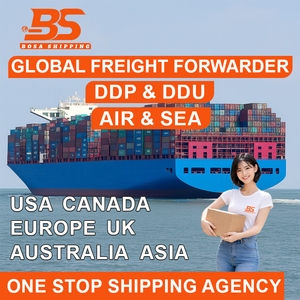
Express air freight corridor tailored for high-value microelectronics, surface-mount devices (SMD), and time-critical PCB assemblies requiring temperature-controlled transit.
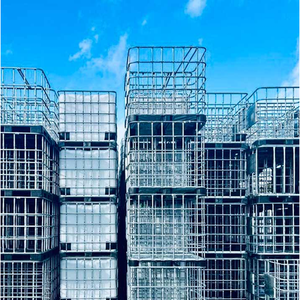
Industrial-grade intermediate bulk containers certified for semiconductor liquid chemicals, liquid flux, electroplating solutions, and high-purity industrial solvents.
Full-spectrum logistics architecture supporting bulk silicon wafer exports, dangerous chemical goods, and integrated multi-modal supply chain fulfillment globally.
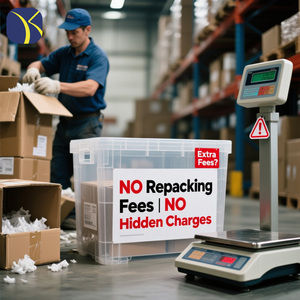
Direct FCL/LCL ocean freight lines optimized for passive component exports, heavy industrial control systems, and consumer electronics assembly lines to Western markets.
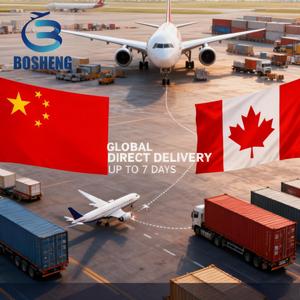
UN38.3 compliant Class 9 hazardous materials transit service for lithium-ion battery modules, power storage systems, and EV electronics into Spain, Belgium, and Sweden.
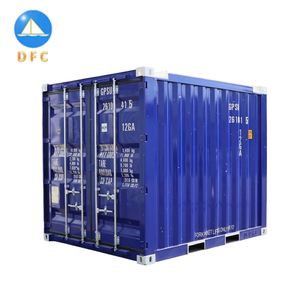
DNV 2.7-1 certified heavy-duty flat rack units designed for transporting oversized semiconductor fabrication machinery, cleanroom modules, and transformer units.
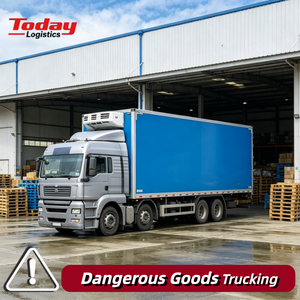
Specialized drayage and road haulage for corrosive chemicals (Class 8), flammable liquids (Class 3), and dangerous battery packs (Class 9) with full regulatory compliance.
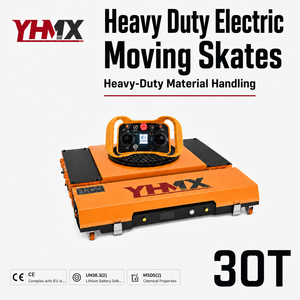
Heavy-lift wireless remote-controlled electric transport units for moving massive liquid storage tanks and chemical vessels within high-tech manufacturing parks.
The global electronics ecosystem relies heavily on China’s unmatched manufacturing capacity, mature supplier clusters, and hyper-efficient logistics networks. As the premier global hub for active, passive, and electromechanical components, China accounts for over 45% of the worldwide trade in intermediate electronic goods. Understanding the supply chain mechanics of this region is paramount for international original equipment manufacturers (OEMs), contract electronics manufacturers (CEMs), and electronic manufacturing service (EMS) providers seeking resilience, cost optimization, and speed to market.
China's electronics component manufacturing infrastructure is geographically specialized across key industrial mega-clusters. The Pearl River Delta (Shenzhen, Dongguan, Guangzhou) serves as the world's epicentre for surface-mount technology (SMT), printed circuit board (PCB) fabrication, sensors, microcontrollers, and wireless modules. Concurrently, the Yangtze River Delta (Shanghai, Suzhou, Wuxi, Hangzhou) dominates advanced semiconductor packaging, testing, silicon wafer processing, and integrated circuit (IC) design integration. Navigating these regional ecosystems demands end-to-end operational visibility, stringent quality control protocols, and rapid cross-border logistics lanes.
Information Gain Insight: Electronics component procurement is no longer limited to unit price negotiation. Supply chain resilience now hinges on managing Moisture Sensitivity Levels (MSL), Electrostatic Discharge (ESD) handling during transit, and securing Class 9 hazardous cargo slots for lithium-integrated smart modules.
Procuring microelectronics from China requires multi-layered quality control architectures to eliminate risks associated with component obsolescence, gray-market counterfeiting, and transport degradation. Enterprise buyers must implement rigorous vendor vetting frameworks operating under ISO 9001 and AS9100 standards.
Leading exporters in China integrate third-party component testing directly into their fulfillment logistics. Before air or sea export, high-density ICs undergo non-destructive inspection—including X-ray fluorescence (XRF) for lead content, decapsulation for die verification, solderability analysis, and functional electrical testing. Partnering with certified logistics providers ensures that component reels and trays remain in vacuum-sealed anti-static bags (MBBs) with active humidity indicator cards (HICs) throughout the entire supply chain.
Global trade compliance demands strict adherence to chemical and environmental mandates. Top Chinese component exporters provide full Material Safety Data Sheets (MSDS), Certificate of Conformity (CoC), and full compliance documentation for EU RoHS 3 (Directive 2015/863) and REACH SVHC candidate lists. Ensuring these documents are integrated into export customs clearance packages accelerates US CBP and European Customs entry processes, avoiding costly port delays.
Transporting sensitive electronic components across international borders requires specialized freight forwarding capabilities that go far beyond standard dry cargo shipping. Microchips, memory modules, display panels, and power storage units are highly vulnerable to physical shock, ambient humidity fluctuations, static shock, and extreme thermal ranges.
Integrations such as door-to-door temperature-monitored air freight hubs connect major manufacturing zones in Shenzhen and Shanghai directly to key logistics hubs in Western Europe and North America (e.g., LAX, Port of Los Angeles, Schiphol Airport). Furthermore, dangerous goods (DG) compliance for Class 3, Class 8, and Class 9 cargo—specifically regarding UN3480 and UN3481 lithium battery shipments—demands certified packaging, UN-rated outer cartons, and specialized vessel stowing.
Emerging technologies, regulatory shifts, and structural innovations reshaping international electronics sourcing and freight architecture.
Global buyers are shifting away from traditional Just-in-Time (JIT) models toward AI-enabled predictive buffer stocking. Forward-deployed micro-warehouses near major international ports allow 24-hour dispatch of critical active components during global supply disruptions.
The rapid electrification of transport demands ultra-strict Class 9 Dangerous Goods compliance. Battery Management Systems (BMS), high-power MOSFETs, and solid-state battery modules require UN-certified containerization and specialized thermal-runaway mitigation packaging.
ESG mandates are driving demand for standardized returnable packaging solutions, including re-usable IBC chemical containers, eco-friendly antistatic reels, and carbon-neutral air-freight consolidation options across the China-Europe and China-US trade corridors.
Integrating deep logistics expertise, 24/7 operational capability, and certified customs handling for international electronics procurement.
Continuous monitoring of cargo coordinates, ambient humidity, temperature levels, and shock sensor alerts for high-value silicon wafers and microchip shipments.
In-house licensed customs brokers managing FDA, CBP, ISF filings, tariff classification (HTS code optimization), and duty drawback procedures seamlessly.
Full regulatory mastery over Class 3 flammable liquids, Class 8 corrosive chemical reagents, and Class 9 lithium batteries across ocean and air channels.
Headquartered with key logistics nodes adjacent to major gateways (LAX, Port of Los Angeles/Long Beach, Shenzhen Yantian, Shanghai Yangshan), accelerating turnaround times.
Specialized packaging protocols ensuring Moisture Sensitivity Level (MSL) compliance, preventing micro-cracking and delamination during reflow soldering post-transit.
DNV-certified flat racks, heavy-duty industrial transporters, and specialized breakbulk services for moving cleanroom fabrication machinery worldwide.
Expert responses to critical questions regarding Chinese electronics sourcing, component logistics, customs clearance, and hazardous shipping.
Gain access to dependable China component export corridors, certified dangerous goods handling, and rapid customs clearance built for high-tech enterprises.
Inquire Now