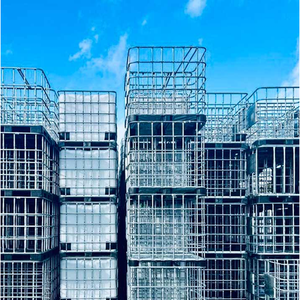
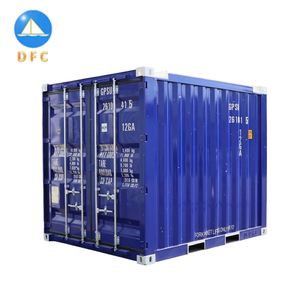
Heavy-duty structural flat rack containers certified for oversized industrial energy storage units and offshore energy projects.
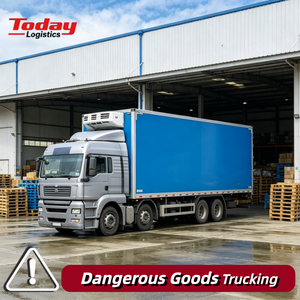
Class 3/8/9 Door to Door Dangerous Goods Freight Forwarder & Drayage
Licensed hazmat trucking fleets and port drayage services equipped for Class 9 lithium batteries and Class 3/8 liquid chemicals.
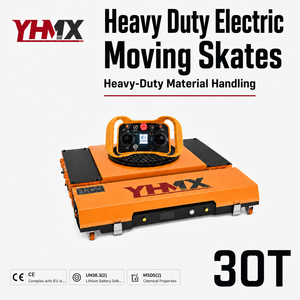
New 30 Ton Electric Tank Carrier Heavy Duty Industrial Transporter
Wireless remote-controlled heavy industrial equipment transporter built for battery factory intra-plant heavy tank movements.
100%
IMDG Code & UN38.3 Compliance
500,000+
TEU Battery & DG Cargo Shipped
150+
Global Seaport Destinations
24/7
Real-Time Thermal Monitoring
1. Strategic Architecture of Global Lithium Battery Maritime Logistics
As the world accelerates its transition toward renewable energy integration and electric mobility, the demand for high-density energy storage systems (ESS), electric vehicle (EV) power packs, and industrial lithium-ion cells has expanded exponentially. China stands at the epicenter of this global energy revolution, producing over 70% of the world's lithium-ion battery supply. However, transporting lithium-based energy products across international waters presents intricate logistics challenges. Classified strictly under Class 9 Dangerous Goods (UN 3480, UN 3481, UN 3090, and UN 3091), maritime transit requires rigorous safety engineering, absolute compliance with the International Maritime Dangerous Goods (IMDG) Code, and flawless operational coordination from factory floor to overseas destination.
As a premier China Lithium Battery Ocean Freight Factory & Exporter, our organizational methodology integrates advanced thermal runaway risk mitigation, state-of-charge (SOC) stabilization management, and end-to-end regulatory adherence. Whether shipping Lithium Iron Phosphate (LiFePO4) chemistry units known for high thermal stability or high-energy-density Nickel Manganese Cobalt (NMC) batteries, our specialized ocean freight framework guarantees safe ocean carriage, swift customs clearance, and seamless port-to-door integration across North America, Europe, Southeast Asia, and the Middle East.
IMDG Code Amendment 41-22
Strict compliance with updated maritime packaging group standards, dangerous goods declarations (DGD), and stowage category directives for containerized shipping lines.
SOC 30% Charge Regulation
Mandatory factory-level calibration ensuring lithium-ion standalone cells (UN 3480) do not exceed 30% State of Charge during sea transit to prevent thermal escalation.
Reefer & Temperature Control
Active climate-controlled reefer containers deployed for sensitive battery chemistry shipments maintaining ambient temperatures between 15°C to 25°C.
Navigating the complex international trade regulatory landscape demands deep expertise in battery engineering and maritime law. Lithium batteries are classified as Class 9 hazardous materials due to their potential for thermal runaway, off-gassing, and electrical short-circuiting if subjected to mechanical damage, excessive heat, or improper handling. To guarantee zero-defect safety records during long-distance ocean voyages, our factory-to-port logistics protocol enforces multi-layered testing and certification procedures prior to vessel loading.
Every consignment shipped from our facilities is backed by comprehensive certification dossiers, including UN 38.3 Transport Testing reports (altitude simulation, thermal testing, vibration, shock, external short circuit, impact, overcharge, and forced discharge), Material Safety Data Sheets (MSDS), Certification for Safe Transport of Chemical Goods, and Dangerous Goods Inspection Certificates issued by China Customs Authorities (CIQ).
UN Identification
Proper Shipping Name (PSN)
Class / Division
Primary Regulatory Requirement
Recommended Ocean Equipment
UN 3480
Lithium Ion Batteries (including polymer)
Class 9 DG
UN38.3 Test Summary, ≤30% SOC, Packaging Instruction 965
20GP / 40HQ High Cube Dry or Reefer Containers
UN 3481
Lithium Ion Batteries Contained in / Packed with Equipment
Class 9 DG
Packaging Instruction 966/967, Short Circuit Prevention
Standard Dry Cargo Containers / Hardtop Fleets
UN 3090
Lithium Metal Batteries (primary non-rechargeable)
Class 9 DG
Strict Watt-hour/Lithium content cap, Heavy Outer Packaging
UN Certified Steel Drum / Heavy Reinforced Boxes
UN 3536
Lithium Batteries Installed in Cargo Transport Units (ESS)
Class 9 DG
Built-in Fire Suppression (Clean Agent/Aerosol), Structural Rigidity
Furthermore, for large-scale Utility Energy Storage Systems (BESS) housed inside 20ft or 40ft modular enclosures (UN 3536), specialized structural calculations and lashing schemes are executed. We utilize heavy-duty DNV-certified flat rack containers and specialized low-boy heavy transporters to carry mega-watt-hour battery banks directly from our manufacturing plants to container terminals at Ningbo, Shanghai, Shenzhen, and Qingdao ports.
The international battery supply chain is undergoing a profound structural evolution. Driven by strict carbon footprint disclosure laws such as the European Union’s New Battery Regulation (Regulation EU 2023/1542) and US IRA compliance frameworks, global B2B procurement leaders are shifting their purchasing strategies. Procurement criteria are no longer limited to FOB cell costs; they now encompass total land cost efficiency, supply chain transparency, carbon-neutral maritime corridors, and end-to-end dangerous goods risk mitigation.
Green Maritime Shipping
Increasing adoption of methanol-powered and dual-fuel container vessels for lithium transport to minimize Scope 3 carbon emissions across transatlantic and transpacific trade lanes.
Smart Container IoT Integration
Deployment of real-time IoT sensors inside battery freight containers tracking temperature, relative humidity, g-force shock impacts, and precise GPS location around the clock.
Circular Supply Chain Logistics
Reverse logistics mechanisms for spent lithium packs, retired EV batteries, and returned chemical transportation containers (such as UN-rated IBC totes) for eco-friendly recycling.
Modern energy enterprises must build resilient supply chains capable of navigating fluctuating ocean freight carrier spot rates, seasonal port congestion, and evolving maritime hazmat surcharges. By partnering directly with an integrated factory exporter and Class 9 dangerous goods freight master, global buyers secure guaranteed vessel space allocation, fixed contract rates, and minimized port demurrage risks.
Why Global Energy Leaders Partner With Us
Factory-Direct Manufacturing & Global Ocean Freight Masterclass
Combining world-class lithium battery production capacity with licensed Class 9 hazmat ocean freight forwarding expertise.
Integrated Manufacturing & Export
Direct plant-to-port workflow eliminating third-party middleman markups, ensuring strict quality control from raw material selection to container sealing.
Licensed Class 9 Hazmat Fleet
Dedicated fleet of hazmat-certified trucking vehicles and licensed dangerous goods drivers handling port drayage and inland distribution.
Global Door-to-Door (DDP/DAP)
Comprehensive overseas customs brokerage, import duty management, and last-mile heavy-haul delivery across USA, Europe, UK, and Australia.
Custom Packaging Engineering
In-house design of UN-certified outer fiberboard boxes, wooden crates, insulated thermal linings, and shock-absorbing structural bracing.
Specialized Project Logistics
Capability to haul 30-ton electric tank carriers, oversized offshore energy units, and heavy industrial battery enclosures utilizing specialized flat racks.
24/7 Supply Chain Tracking
Dedicated account logistics management team providing live status telemetry, document verification, and proactive exception management.
Detailed responses to crucial technical, regulatory, and logistics queries raised by international buyers, procurement officers, and supply chain managers.
Q:
What specific safety documentation is required to ship lithium-ion batteries via ocean freight from China?
To ship lithium batteries via ocean vessel, international maritime laws require a complete dangerous goods dossier. This includes: (1) UN 38.3 Test Report and Summary; (2) Material Safety Data Sheet (MSDS); (3) Dangerous Goods Declaration (DGD); (4) Certificate for Safe Transport of Chemical Goods by Sea issued by accredited testing bodies; (5) CIQ Packaging Inspection Certificate for Export Dangerous Goods issued by China Customs; and (6) Vessel Booking Acceptance from the ocean carrier. Our export documentation team manages 100% of these filings to ensure seamless customs release.
Q:
What is the maximum State of Charge (SOC) allowed for lithium battery sea freight?
Under international maritime safety guidelines and ocean carrier policies, standalone lithium-ion cells and battery packs (UN 3480) must be offered for transport at a State of Charge (SOC) not exceeding 30% of their rated capacity. This regulation significantly reduces the thermal energy released in the unlikely event of an internal short circuit. Batteries contained in or packed with equipment (UN 3481) must be protected against accidental activation and short-circuiting.
Q:
How do you mitigate thermal runaway risks during long ocean transits?
Thermal runaway mitigation is achieved through a multi-tier defense system: (1) Factory-level cell quality sorting to ensure zero internal defects; (2) Calibration to ≤30% SOC; (3) UN-rated inner and outer packaging incorporating fire-retardant, non-conductive, and shock-absorbing materials; (4) Use of active climate-controlled reefer containers to maintain low ambient temperatures; and (5) Placement of cargo in vessel stowage positions away from heat sources, away from living quarters, and under strict monitoring according to IMDG stowage category regulations.
Q:
What is the difference between shipping UN 3480 and UN 3536 energy storage systems?
UN 3480 applies to loose lithium-ion batteries packaged in individual UN-certified boxes or pallets. UN 3536 applies to complete, large-scale Lithium Batteries Installed in Cargo Transport Units (such as 20ft or 40ft modular Energy Storage System BESS containers). UN 3536 units are equipped with internal HVAC, automated clean-agent fire suppression, gas detection, and structural battery racks. UN 3536 units are shipped as specialized structural units on container ships or breakbulk vessels, whereas UN 3480 is shipped inside standard intermodal cargo containers.
Q:
Can you provide Door-to-Door DDP (Delivered Duty Paid) service for Class 9 battery shipments?
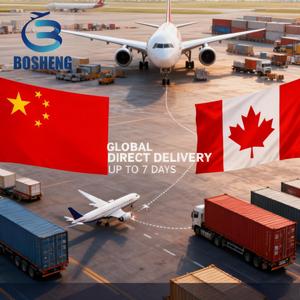
Yes. We offer turnkey DDP and DAP door-to-door logistics services across North America (USA, Canada), Europe (Germany, Netherlands, UK, France, Spain, Sweden, Belgium), Australia, and Asia. Our service encompasses factory pickup in China, port drayage, customs clearance in China, ocean line freight, destination port customs clearance by licensed dangerous goods brokers, payment of tariffs/duties, and final heavy-haul trucking delivery to your warehouse or project site.
Q:
How do you handle heavy industrial battery equipment and 30-ton electric tank carriers?
For heavy machinery such as 30-ton electric tank carriers or industrial battery manufacturing equipment, we utilize specialized project logistics equipment including DNV-certified 20ft/40ft flat rack containers, open-top containers, or RoRo (Roll-on/Roll-off) vessels. We engineer custom lashing, blocking, and bracing plans using heavy-duty steel cables and chocks certified by marine cargo surveyors to ensure complete stability during sea voyages.
Partner with China's Premier Battery Freight Exporter
Optimize your global dangerous goods supply chain with factory-direct pricing, 100% IMDG compliance, and guaranteed ocean space allocation.