Specialized equipment, global ocean routes, air charters, and dangerous goods logistics engineered for industrial raw material supply chains.
Importing industrial raw materials from China—ranging from bulk active chemical ingredients, rare earth elements, and synthetic polymers to battery precursor metals and heavy industrial machinery—requires far more than standard freight forwarding. It demands a highly specialized, risk-averse logistics partner capable of navigating complex international regulatory frameworks, stringent customs compliance standards, and hazardous material protocols.
Direct integration with US Customs and Border Protection (CBP), EU TARIC systems, and UK HMRC. We manage tariff classifications (HTS/HS codes), Importer Security Filings (ISF), FDA clearances, and duty drawback schemes to guarantee frictionless port entries.
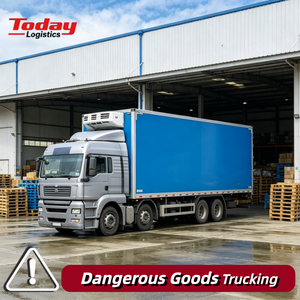
Certified dangerous goods teams managing IMDG, ICAO/IATA, and ADR regulations. From Class 3 flammable liquids and Class 8 corrosives to Class 9 lithium power assemblies, we ensure certified UN packaging, MSDS verification, and tank container integrity.
Headquartered with primary distribution hubs strategically located near major Pacific coast ports (Port of Los Angeles, Long Beach) and major air transit nodes (LAX, ORD, FRA, AMS), offering immediate drayage and transshipment capabilities.
As the international manufacturing sector transitions toward decarbonization, supply chain resilience, and localized buffer stocks, raw material logistics originating from China is undergoing a massive structural shift. Procurement officers, supply chain directors, and chemical importers must adapt to dynamic economic and operational imperatives.
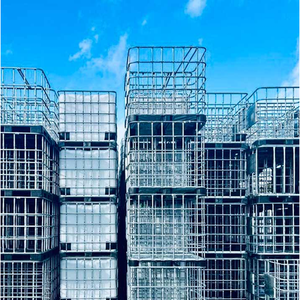
Single-use liquid containment drums are rapidly being phased out across European and North American trade lanes due to stringent ESG mandates and corporate extended producer responsibility (EPR) regulations. Importers are aggressively switching to UN-approved Intermediate Bulk Containers (IBCs) and specialized ISO Tank Containers. Closed-loop reverse logistics—where empty IBC units are retrieved, decontaminated in local European/US hubs, and returned for reuse—reduces packaging expenditure by up to 42% over a 36-month operational cycle.
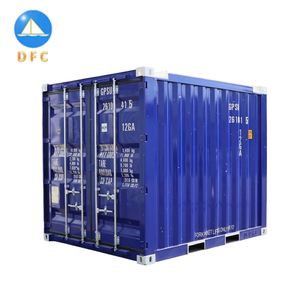
With China continuing to refine more than 70% of global battery-grade lithium, cobalt, and synthetic graphite, the transportation of Class 9 battery materials and raw chemical inputs has become a primary bottleneck. Specialized forwarders are utilizing DNV-certified offshore flat rack containers and heavy-duty electric tank carriers to facilitate intra-terminal transfer without risk of thermal runaway or structural failure during oceanic transit.
| Raw Material Category | Primary Transport Mode | Key Compliance Requirement | 2025-2030 Trend Projection |
|---|---|---|---|
| Lithium-Ion Chemicals | ISO Tank / UN IBC Sea Freight | IMDG Class 9, UN 38.3 Certificate | +28% Demand; Automated Thermal Tracking |
| Industrial Polymers & Resins | FCL Dry Van / Breakbulk | Moisture Containment, REACH Compliance | Transition to Recycled Closed-Loop Drums |
| Specialty Fine Chemicals | Door-to-Door Express Air Cargo | ICAO/IATA Temp-Controlled Validation | Shortened Lead Times, Real-Time IoT Sensors |
| Mining & Heavy Machinery | DNV Flat Rack / RoRo Vessel | Oversized Drayage & Axle Weight Permits | Zero-Emission Yard Transporters & Rigging |
Unpredictable maritime choke points—such as canal disruptions and regional port congestion—have made traditional static shipping schedules obsolete. Modern raw material logistics relies on predictive AI route planning that dynamically switches cargo between direct ocean liner contracts, intermodal rail (such as the China-Europe Railway Express), and priority air charters when production lines face shutdown risks.
Engineering-grade logistics solutions are replacing legacy forwarding models. When transporting heavy industrial equipment, 30-ton raw material storage tanks, or hazardous liquid compounds, equipment reliability and real-time telemetry are essential components of risk mitigation.
Modern raw material shipments are increasingly outfitted with IoT tracking hardware capable of broadcasting real-time metrics including internal tank pressure, ambient temperature, relative humidity, zero-G impact detection, and geo-fence alerts. Importers no longer need to speculate on cargo condition during a 25-day ocean transit; automated API alerts notify logistics managers the moment an anomaly is detected, enabling proactive shore-side interventions prior to vessel discharge.
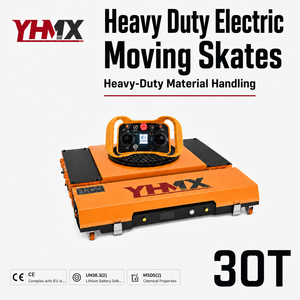
Regulatory frameworks such as the European Union’s Corporate Sustainability Due Diligence Directive (CSDDD) and California’s Advanced Clean Fleets (ACF) regulation require logistics providers to drastically reduce Scope 3 emissions. The implementation of 30-ton electric tank transporters and heavy industrial electric yard haulers within port terminals ensures that raw material import operations remain compliant with evolving municipal and federal carbon output limits.
Expert responses to critical questions on hazardous cargo protocols, customs tariffs, packaging compliance, and transit times.
Access competitive ocean freight rates, expert dangerous goods management, and seamless customs brokerage for your China raw material imports.
