Precision-engineered transport equipment, specialized containerization, and door-to-door global logistics tailored for green energy manufacturers and global EPC contractors.
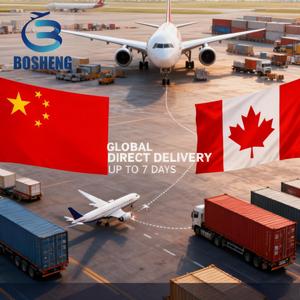
As the global economy accelerates its transition toward Net-Zero carbon emissions, China has firmly established itself as the world’s manufacturing powerhouse for renewable energy equipment. Producing over 80% of global photovoltaic (PV) modules, 70% of lithium-ion battery cells, and 60% of wind turbine components, Chinese manufacturers and tier-1 suppliers form the backbone of international clean energy projects.
However, procuring and deploying renewable energy equipment presents complex supply chain challenges. Unlike standard consumer commodities, renewable energy infrastructure—ranging from utility-scale energy storage systems (ESS) and oversized nacelles to hazardous battery chemistry and delicate solar wafers—requires specialized transport engineering, strict regulatory compliance, and customized cargo handling.
Information Gain Insight: Sourcing renewable equipment from China requires aligning manufacturing lead times with multimodal heavy-lift shipping schedules. A single bottleneck in Class 9 Hazmat compliance or ocean flat-rack availability can cause millions of dollars in project delay penalties at project job sites.
Modern B2B procurement officers, EPC (Engineering, Procurement, and Construction) directors, and global logistics managers must evaluate China suppliers not only by production unit costs, but also by their supply chain resilience. High-intent procurement queries demand technical answers regarding:
The global renewable energy procurement landscape is undergoing a structural shift driven by geopolitical policy changes, stringent carbon accounting rules, and rapid technological innovation in equipment design.
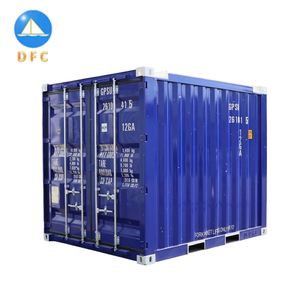
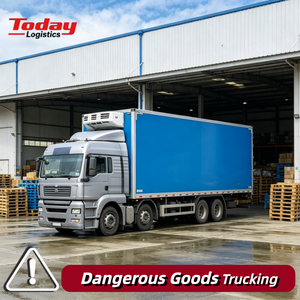
Global utility projects are shifting from buying standalone battery cells to pre-integrated, containerized Battery Energy Storage Systems (BESS). These 20ft and 40ft modular enclosures come pre-fitted with liquid cooling, fire suppression, and battery management systems. Logistics partners must manage high-weight, high-hazard Class 9 hazardous shipments with real-time temperature telematics.
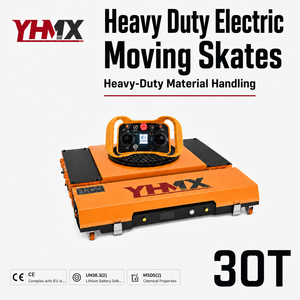
China is emerging as a cost leader in Proton Exchange Membrane (PEM) and alkaline electrolyzer manufacturing. Procuring these massive pressure vessels requires specialized 30-ton electric tank transporters and DNV-certified heavy-lift flat racks to navigate factory-to-port land transport and international ocean breakbulk routes.
Driven by the EU Corporate Sustainability Due Diligence Directive (CSDDD) and US import regulations, suppliers are mandated to provide end-to-end supply chain visibility. Modern freight logistics must provide carbon emission reporting for every leg of transportation—from domestic Chinese trucking to ocean liner transport.
As offshore wind turbine blades exceed 100 meters in length and nacelles surpass 500 metric tons, standard container shipping is inadequate. Procurement strategies now depend heavily on specialized offshore flat racks (DNV 2.7-1 certified) and dedicated heavy-lift ocean vessel charters.
Headquartered strategically near Los Angeles International Airport (LAX) and the Ports of Los Angeles and Long Beach, LA 24-7 Forwarder serves as the premier bridge connecting Chinese renewable energy manufacturers with global end markets. Building upon decades of industrial project experience, our enterprise solutions eliminate supply chain bottlenecks.
Essential guidance for logistics managers, supply chain directors, and renewable energy equipment importers.
Partner with LA 24-7 Forwarder for world-class heavy-lift shipping, dangerous goods compliance, and door-to-door global logistics from China’s leading equipment manufacturers.
Inquire Now