Comprehensive multimodal transport services engineered specifically for ultra-high voltage (UHV) transformers, substation switchgear, dielectric fluids, and heavy industrial power gear.
Rapid air freight routing from major industrial hubs to destination substations. Specialized handling for transformer control panels, bushings, and critical emergency replacement parts.
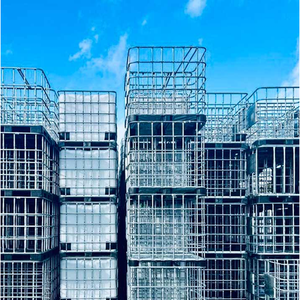
Certified IBC container returns and bulk dielectric insulation oil transportation. Compliant hazardous liquid handling guaranteeing moisture-free supply chains for transformer oil.
End-to-end heavy-lift logistics for massive power generation machinery. Complete chartering, route surveys, and ocean breakbulk vessel management worldwide.
Dedicated trans-Pacific and trans-Atlantic ocean shipping routes (China, USA, Europe). Custom clearance, port drayage, and heavy-lift dock operations management.
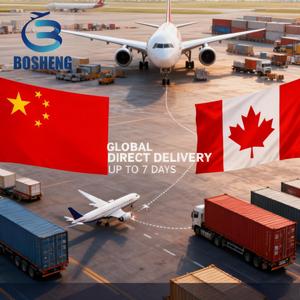
Certified Class 9 hazardous materials door-to-door shipping for BESS (Battery Energy Storage Systems) and high-capacity transformer backup power units across North America and EU.
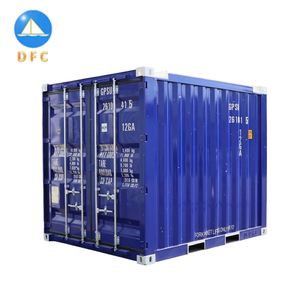
High-strength 10ft/20ft/40ft DNV-certified flat racks for heavy transformer accessories, marine power units, and harsh-environment offshore grid logistics.
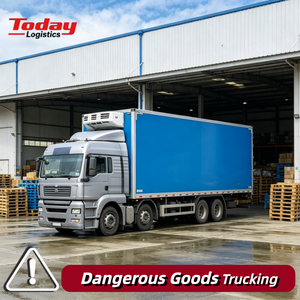
Cost-effective door-to-door trucking for corrosive, flammable, and specialized synthetic transformer insulating fluids under strict environmental and DOT standards.
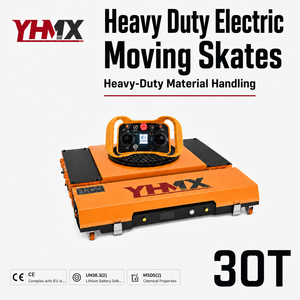
Wireless remote-controlled heavy transporters for indoor substation maneuvering, transformer positioning, and factory-to-pad heavy equipment placement.
High-voltage power transformers, step-up generator transformers (GSU), and extra-high voltage (EHV) reactors form the core backbone of global electrical power distribution networks. Moving these critical industrial assets from specialized OEM manufacturing plants to remote electrical substations represents one of the most complex engineering disciplines in project logistics today. Weighing between 50 and 450 metric tons per unit, transformer equipment requires precise over-dimensional load (ODC) engineering, rigorous structural weight distribution, zero-moisture internal tank preservation, and strict dynamic impact control throughout the entire supply chain journey.
Ground transport of extra-heavy transformer cores requires advanced Multi-Axle Hydraulic Platform Trailers (such as Goldhofer, Scheuerle, or SPMTs). To satisfy severe Department of Transportation (DOT) bridge stress limitations and axle weight restrictions, the weight of the transformer unit must be spread evenly across multiple steerable axles—often exceeding 16 to 24 axle lines for single units. Engineers perform precise finite element analysis (FEA) on bridges, culverts, and road turn radii prior to route clearance approval.
Furthermore, main transformer bodies are frequently transported stripped of their oil (to reduce overall transport weight) and pressurized with dry nitrogen or dry air at 0.2 to 0.3 bar to prevent atmospheric moisture ingress into the cellulose insulation paper. Continuous digital pressure logging with satellite telemetry ensures internal pressure stability from the factory floor across oceans to the final pad site.
Selecting the optimal transport mode for heavy electrical machinery depends on physical dimensions, total payload weight, urgency, and site accessibility. Below is an engineering comparison of primary heavy power transport modalities:
| Transport Mode | Payload Capacity | Typical Lead Time | Vibration / Shock Risk | Best Suited Electrical Assets |
|---|---|---|---|---|
| Heavy Breakbulk Vessel | 100 - 1,000+ Metric Tons | 25 - 45 Days (Global) | Low (Controlled dunnage & lashing) | EHV Transformers, Generators, Heavy Turbines |
| Heavy Lift Air Charter | 20 - 120 Metric Tons | 2 - 5 Days (Global) | Very Low (Pressurized main deck) | Emergency Replacement Cores, Switchgear, Bushings |
| RoRo (Roll-on/Roll-off) | 50 - 350 Metric Tons | 15 - 30 Days (Regional) | Low (Mafi trailer roll loading) | Mobile Substations, Skid-Mounted Transformers |
| SPMT & Heavy Trucking | 30 - 600 Metric Tons | 1 - 10 Days (Inland) | Medium (Requires hydraulic suspension) | Final Substation Pad Placement, Intermodal Transfer |
The global transition toward renewable energy, high-voltage direct current (HVDC) interconnectors, and grid modernization programs has generated unprecedented demand for high-capacity transformers and substation components. As global procurement shifts toward mega-factories across Asia, Europe, and North America, power equipment logistics is evolving rapidly around three dominant trends:
Traditional passive shock indicators are being replaced by IoT-connected, satellite-enabled tri-axial shock recorders. EPC contractors and utility procurement directors now demand real-time telemetry streaming vibration spectra, GPS coordinates, tilt angles, internal gas pressure, and ambient humidity directly to cloud dashboards. Any micro-impact exceeding pre-configured thresholds triggers automated logistics alerts and engineering inspections before dock clearance.
With offshore wind energy scaling globally, power equipment transport has expanded into harsh marine environments. Factory-to-sea transport demands DNV-certified structural cradles, dynamic marine positioning, and Specialized Heavy Lift Vessels equipped with heavy deck cranes (1,000+ ton tandem lift capacities) capable of offloading heavy transformer modules directly onto offshore substation topsides.
Regulators and global utility companies are actively tracking Scope 3 logistics emissions. The adoption of 30-ton to 100-ton zero-emission electric SPMTs and electric heavy port drayage tractors is accelerating within port terminals and urban power station sites, drastically cutting the carbon footprint of heavy infrastructure movement.
With over two decades of specialized experience in international heavy freight forwarding, project logistics, and customs compliance, LA 24-7 Forwarder / Lowens Logistics stands as a premier supply chain partner for transformer OEMs, energy EPC contractors, and international equipment exporters.
Full CBP, FDA, and DOT compliance handling. In-house licensed brokers handle ISF filings, tariff classifications (HS 8504 series), duty calculations, and fast port clearance.
Headquartered minutes from Los Angeles International Airport (LAX) and the Ports of Los Angeles & Long Beach, providing immediate berth-to-truck execution for heavy breakbulk.
Round-the-clock operational oversight tracking project cargo across all time zones. Dedicated logistics coordinators manage every load phase from booking to final pad placement.
Class 3, 8, and 9 certified dangerous goods transportation. Expertise in handling synthetic transformer oils, SF6 gas canisters, and high-capacity lithium backup units.
Detailed pre-shipment engineering surveys calculating bridge load ratings, overhead cable clearances, turning radii, and road permit requirements to eliminate transit risk.
No hidden accessorial fees. Upfront engineering, port handling, heavy-lift crane, escort vehicle, and customs costs consolidated into single, clear commercial proposals.
Answers to common engineering, customs, and operational questions regarding international power equipment freight:
Main transformer tanks are typically drained of dielectric insulating oil to reduce total gross shipping weight. The internal tank is flushed and pressurized with dry nitrogen or dry air (0.2–0.3 bar) to prevent moisture contamination of core paper insulation. External components—such as porcelain/composite bushings, cooling radiators, conservator tanks, and control boxes—are disassembled, packed into sea-worthy wooden cases or heavy-duty flat racks, and shipped concurrently.
A calibrated, tamper-evident 3-axis digital impact recorder (shock logger) is mounted directly onto the transformer main tank prior to leaving the manufacturer. It continuously records acceleration G-forces across X, Y, and Z axes, along with atmospheric pressure and humidity. Standard quality acceptance limits require longitudinal shocks to stay under 3.0G, lateral shocks under 1.5G, and vertical shocks under 2.0G. Data logs are audited at port discharge and substation delivery.
Our licensed US Customs Brokerage team files Importer Security Filings (ISF 10+2) prior to vessel departure. We handle precise tariff classifications under Harmonized System (HS) Code 8504 (transformers, static converters, and inductors), calculate applicable duties/tariffs, coordinate US Customs and Border Protection (CBP) documentation, and obtain necessary Department of Transportation (DOT) heavy haul road permits prior to port discharge.
Depending on total unit weight and dimensions, transport utilizes multi-axle hydraulic platform trailers (such as Goldhofer or SPMTs) or specialized schnabel cars for rail transit. Hydraulic platform trailers allow independent axle steering, automatic deck levelling, and precise load distribution across dozens of tires to meet strict DOT highway and bridge weight limitations.
We recommend initiating logistics planning 6 to 12 weeks prior to factory release. This window allows time for detailed route clearance surveys, port heavy-lift crane scheduling, custom lashing/securing calculation approvals, DOT permit issuance, and securing space on suitable heavy breakbulk or multi-purpose vessels.
Planning an upcoming heavy electrical import/export project? Speak directly with our heavy-lift engineering and freight forwarding experts today for custom route surveys, rate quotes, and technical consultation.
