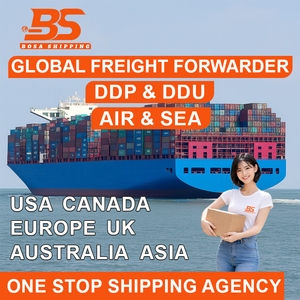
Agricultural Commodities Bulk Shipping Manufacturer & Suppliers for the Japan market

End-to-End Multimodal Bulk Logistics, MAFF Plant Quarantine Compliance, Flexitank Solutions, and Door-to-Door Agri-Freight Management

Featured Agricultural Bulk Shipping & Equipment Solutions

Engineered specifically to support high-efficiency bulk import operations across major Japanese ports including Tokyo, Yokohama, Kobe, Nagoya, and Kashima.
Air Cargo Door to Door Service for Perishable Agricultural Commodities

Air Cargo Door to Door Service for High-Value Produce

Express, temperature-controlled air freight forwarding from global sources directly to Japanese wholesale markets (Ota Market) with pre-cleared MAFF phytosanitary inspections.
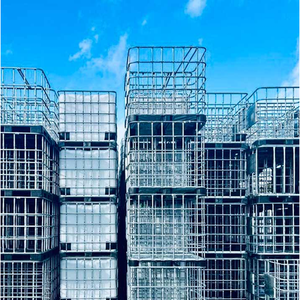
Used IBC Containers For Liquid Agricultural Products Return & Purchase

Heavy-Duty IBC Containers & Flexitanks for Bulk Liquids

Food-grade UN-certified Intermediate Bulk Containers and Flexitanks tailored for palm oil, liquid molasses, and agricultural chemical fertilizers entering Japanese harbors.
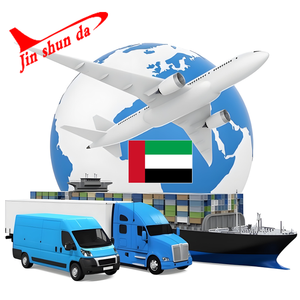
Top-Rated Ocean Freight Forwarding Services for Agricultural Bulk Cargo

Integrated Ocean Bulk & Container Freight Services

Full Container Load (FCL) and dry bulk chartering services designed for grains, soybeans, and animal feed with specialized humidity control liners to prevent ocean sweat damage.
Multimodal Sea Freight Forwarder for Japan Import Networks

Global Sea Freight Multimodal Network to Japan Ports

Optimized trade lanes connecting North American, European, and Southeast Asian agricultural hubs to Japanese grain terminals with streamlined customs documentation.
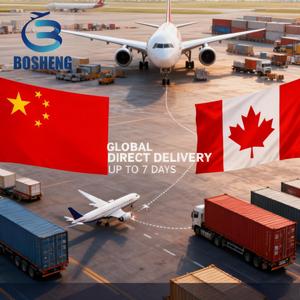
Temperature-Controlled Door to Door Agri-Chemical Logistics

Door-to-Door Hazardous & Agri-Chemical Transit

Class 3, 8, and 9 hazardous material forwarding for agricultural pesticides, herbicides, and active raw ingredients adhering to Japanese Fire Service Act regulations.
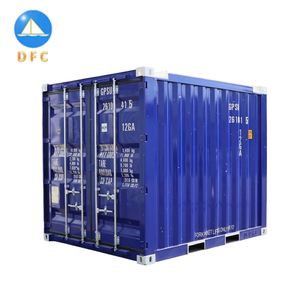
DNV Certified Flat Rack Containers for Agricultural Machinery Transport

DNV-Certified Heavy Flat Racks for Machinery

Customized 10ft, 20ft, and 40ft offshore flat rack shipping containers designed for transferring oversized commercial harvesters and grain processing equipment.
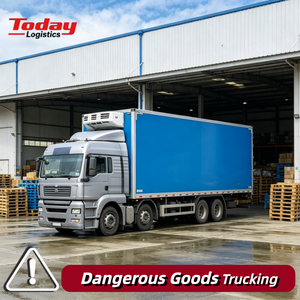
Class 3/8/9 Certified Fertilizer Trucking Drayage Services

Certified Fertilizer Drayage & Port Trucking Services

Specialized domestic harbor drayage and heavy trucking connecting Japanese container yards (CY) to rural agricultural prefectures like Hokkaido and Kyushu.
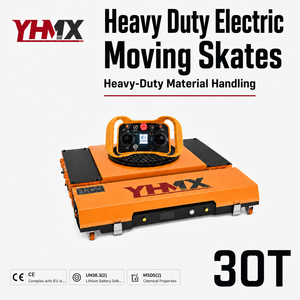
Electric Tank Transporter for Agricultural Bulk Storage Silos

30-Ton Remote Control Electric Silo Tank Transporter

Heavy-duty industrial remote-controlled transport units designed for maneuvering bulk grain storage tanks, liquid fertilizer silos, and processing hoppers at dockside terminals.

2.4M+
Metric Tons Bulk Freight
99.8%
MAFF Clearance Rate
24/7
Real-Time Telemetry Tracking
150+
Global Trade Corridors

1. Technical Framework: Bulk Shipping Logistics for Japan’s Agricultural Import Matrix

Japan represents one of the world's most sophisticated and highly regulated import markets for agricultural commodities. With a national caloric food self-sufficiency ratio hovering around 38%, the Japanese economy relies heavily on secure, continuous, and highly compliant maritime supply chains to import bulk grains (corn, wheat, soybeans), oilseeds, animal feed, and processed agricultural raw materials. Navigating this market requires an in-depth understanding of the strict regulatory environment enforced by the Ministry of Agriculture, Forestry and Fisheries (MAFF), the Plant Protection Act, and the Food Sanitation Act.

As a leading bulk shipping manufacturer and end-to-end freight forwarding integrator, our operations bridge the gap between global agricultural producers and Japanese industrial buyers. Our logistics infrastructure is optimized to eliminate critical vulnerabilities during long-haul transpacific and intra-Asian transit, such as moisture migration, mold development, mycotoxin contamination, and pest infestation.

Key Takeaway for Japanese Importers

Bulk agricultural transit into Japan demands more than standard freight capacity; it requires strict ambient moisture management, containerization sanitization, and automated pre-filing with Japanese Customs (CBP equivalents) and MAFF Quarantine Stations prior to port arrival.

Critical Quality Assurance Protocols in Agri-Bulk Transit

Exporting agricultural commodities to Japan involves navigating multi-tiered risk vectors. The table below outlines our technical specifications and engineered preventative measures deployed across our global bulk carrier fleet and containerized cargo networks:

Commodity Type Primary Logistics Vector Critical Hazard / Risk Engineered Prevention Standard MAFF Compliance Protocol
Yellow Corn & Wheat Dry Bulk Vessels / Bulk Bags Moisture sweat, mycotoxin growth Active desiccant matrix & forced ventilation Methyl Bromide / Phosphine Fumigation
Soybeans (Non-GMO / GMO) 20ft Dry Cargo Container Liners Cargo heat degradation, hull moisture Food-grade polyethylene flexi-liners Zero-pest inspection clearance at CY
Vegetable & Palm Oils Flexitanks / Reusable IBCs Oxidation, container wall rupture Multi-layer food-grade EVOH barrier film Food Sanitation Act Law 26 Certification
Agri-Chemical Fertilizers Dangerous Goods (DG) IMO Tanks Class 3/8/9 chemical reactivity UN-rated stainless steel tank pressure relief Fire Service Act Hazardous Storage Filing

2. Navigating MAFF Regulations & Japanese Port Operations

Bulk agricultural vessels arriving at Japanese major strategic ports—such as Kashima (Ibaraki), Mizushima (Okayama), Kobe (Hyogo), and Nagoya (Aichi)—face stringent dockside sampling protocols. MAFF Inspectors sample imported grain consignments for quarantine pests (such as live insects, weed seeds, and soil residue). If a shipment fails initial plant quarantine checks, compulsory dockside or in-hold fumigation is ordered, leading to demurrage fees and supply chain bottlenecks.

To provide maximum security for our clients, our bulk shipping operations incorporate three layers of pre-clearance security:

  • Source-Side Cargo Fumigation & Certification: Applying USDA/Phytosanitary-approved treatments prior to vessel departure, accompanied by digital phytosanitary documentation linked to MAFF's electronic clearance portal.
  • Smart Telemetry & Environmental Monitoring: Integrating real-time IoT sensors inside dry bulk holds, IBC containers, and flexitanks. These sensors constantly stream relative humidity (RH), internal temperature, and dew-point calculations to prevent condensation forming on the underside of container roofs.
  • Dedicated Harbor Drayage & Silo Direct Unloading: Coordinating specialized pneumatic suction unloaders and heavy-duty electric tank transporters to transfer grains and liquids directly into port-adjacent silos (Silots), bypassing weather-exposed staging areas.
MAFF Pre-Clearance
Complete pre-filing of import declarations, pesticide residue tests (Positive List System), and phytosanitary certificates before ships reach Japanese territorial waters.
Climate-Controlled Transit
Deploying specialized ventilated containers and thermal blankets to protect temperature-sensitive commodities during passage through tropical zones.
Last-Mile Farm Drayage
Seamless transition from ocean vessel to specialized Japanese domestic trucking networks for direct farm-gate or feed-mill delivery across all 47 prefectures.

3. Localized Application Scenarios Across Japanese Prefectures

Japan’s agricultural distribution network relies on regional hub specialization. Our bulk shipping solutions are engineered to cater to these specific regional applications:

A. Hokkaido & Northern Honshu: Livestock Feed & Fertilizer Logistics

Hokkaido accounts for the majority of Japan’s dairy farming and cattle production. Bulk imports of corn, soybean meal, and agricultural fertilizers arriving via Tomakomai Port are transshipped using our heavy-duty IBC units and Class 3/8/9 dangerous goods trucks. Our DNV-certified flat rack containers regularly transport heavy machinery, including European and American tractors, directly to agricultural co-ops (JA Group).

B. Kanto Region (Kashima & Tokyo Bay): Grain Milling & Food Processing

The industrial zone surrounding Kashima Port houses Japan’s largest grain elevator complexes. We operate specialized bulk grain dry-liners and bulk carriers that discharge directly into automated processing facilities. This infrastructure supplies raw materials for wheat flour mills, oil crushers, and food ingredient manufacturers serving the greater Tokyo metropolitan market.

C. Kansai & Western Japan (Kobe, Mizushima, Shibushi): Edible Oils & Aqua-Feed

Serving the dense population centers of Osaka and Hyogo, as well as the aquaculture industries of Kyushu, our flexitank and IBC container return services manage bulk palm oil, tallow, and fish oil imports. Our specialized liquid handling technology complies with Japan's rigorous Food Sanitation Law 26, guaranteeing zero chemical leaching during storage and drayage.

4. Macro Trends & Strategic Shifts in Japan’s Agri-Commodity Supply Chain

As Japanese agricultural supply chains evolve under economic and environmental pressures, three key trends shape modern procurement strategies for Japanese trading houses (Sogo Shosha) and agricultural buyers:

1. Shift from Pure Dry Bulk Carriers to Flexible Containerized Freight

While traditional capesize and panamax bulk carriers dominate raw grain imports, smaller buyers and specialty food processors increasingly favor 20ft/40ft containerized shipping. Containerization allows Japanese importers to purchase smaller batch sizes (e.g., identity-preserved non-GMO soybeans or organic wheat), reducing inventory holding costs and minimizing dockside silo storage fees in high-rent port zones.

2. Automation to Offset Domestic Labor Shortages ("2024 Driver Problem")

Japan’s logistics sector faces structural labor shortages enforced by stricter overtime caps for truck drivers (the "2024 Problem"). In response, our bulk shipping ecosystem integrates automated unloading systems, remote-controlled electric tank transporters, and self-discharging bulk container liners. These innovations minimize manual labor requirements at port yards and regional distribution hubs.

3. Decarbonization & Green Maritime Corridors

In accordance with Japan’s Green Growth Strategy Through Achieving Carbon Neutrality in 2050, Japanese importers prioritize shipping partners capable of offering low-emission transport options. Our modern vessel fleet leverages eco-efficient propulsion, bio-fuel options, and optimized routing algorithms to drastically reduce Scope 3 emissions for Japanese corporate reporting.

Why Global Supply Leaders Trust Our Enterprise Capabilities

Consolidating decades of international freight expertise, advanced equipment manufacturing, and deep regulatory knowledge.
24/7 Command Operations
Round-the-clock logistics coordination ensures continuous tracking, immediate disruption resolution, and seamless communication across all international time zones.
Licensed Customs Brokerage
In-house customs specialists adept at navigating complex tariff classifications, ISF filings, FDA approvals, and MAFF quarantine declarations with zero delays.
Proprietary Equipment Fleet
From DNV-certified flat racks to food-grade flexitanks and 30-ton remote-controlled tank carriers, we manufacture and deploy top-tier logistics hardware.

Frequently Asked Questions: Agri-Bulk Shipping to Japan

Expert insights addressing common compliance, operational, and technical challenges encountered by Japanese buyers and global exporters.
Q1: What are the primary MAFF plant quarantine requirements for bulk grain imports into Japan?
MAFF mandates that all imported bulk grains (wheat, corn, barley, soybeans) be free from quarantine pests, soil, and noxious weed seeds. Shipments must be accompanied by an official Phytosanitary Certificate issued by the exporting nation's agricultural authority (e.g., USDA-APHIS). Upon arrival at Japanese ports, MAFF inspectors conduct physical sampling. If quarantine pests are identified, compulsory fumigation (Methyl Bromide or Phosphine) or re-export is enforced. Our service includes pre-departure treatment and digital documentation pre-filing to guarantee 99.8% first-pass clearance.
Q2: How do your shipping solutions prevent moisture sweat and mold damage during transpacific voyage?
Transpacific cargo passes through dramatic temperature shifts, leading to "ship sweat" or "container sweat" when warm, moist air inside holds contacts cold ocean-cooled steel walls. We mitigate this using high-capacity desiccant matrices, specialized breathable dry-bulk liners, continuous hold ventilation monitoring, and automated dew-point telemetry. For liquid bulk, our multi-layer insulated flexitanks prevent thermal shock and crystallization.
Q3: What container options are recommended for liquid agricultural commodities like palm oil and molasses?
For bulk liquid food ingredients entering Japan, we recommend food-grade single-use Flexitanks (fitted into standard 20ft dry containers) or heavy-duty reusable stainless steel IBC containers. All materials comply strictly with Japan's Food Sanitation Act Law 26. Flexitanks maximize payload (up to 24,000 liters per 20ft unit) while eliminating repositioning and tank cleaning costs associated with standard ISO tanks.
Q4: Can you handle Class 3, 8, and 9 hazardous agricultural chemicals into Japan?
Yes. We provide complete door-to-door DG (Dangerous Goods) shipping for agricultural chemicals, fertilizers, and raw active materials. Our services cover UN-rated packaging certification, specialized IMO tank chartering, Japanese Fire Service Act hazardous storage filings, and certified domestic harbor drayage to regional agricultural processing facilities in Japan.
Q5: How does your freight network address Japan’s domestic logistics labor shortages?
To counter domestic trucking constraints in Japan, we utilize containerized bulk shipping options that allow direct rail and barge transshipment. Furthermore, we deploy automated bulk discharge equipment and 30-ton remote-controlled electric tank transporters at port storage silots, drastically reducing the manual dockside workforce required for cargo reception.
Q6: What is the lead time for booking a dry bulk carrier or specialized container fleet to Japanese ports?
For standard FCL dry bulk container shipments, we recommend booking 2 to 3 weeks prior to cargo readiness. For full dry bulk carrier vessel charters or specialized DNV flat rack machinery shipments, a lead time of 4 to 6 weeks is optimal to secure port slot allocations, coordinate dockside suction equipment, and complete MAFF quarantine pre-filings.
Optimize Your Agricultural Bulk Supply Chain to Japan Today
Consult with our senior logistics engineers for customized freight rate quotes, MAFF regulatory advisory, and specialized equipment deployment tailored to Japanese harbor operations.