Engineered for high-volume grain, oilseed, liquid fertilizer, and agrochemical transit connecting global suppliers to Polish Baltic ports and inland rail depots.
Rapid door-to-door air freight and express feeder logistics designed for high-value agricultural sample testing, hybrid seed stock, and time-critical crop protection agents entering Poland.
Get a Quote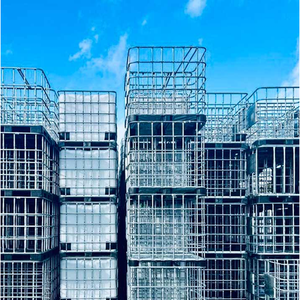
Certified intermediate bulk containers (IBCs) optimized for liquid fertilizers, molasses, pesticide concentrates, and bio-additives. Features closed-loop return services across Poland.
Get a Quote
Comprehensive ocean freight solutions for bulk wheat, corn, barley, and soybean meal. Full vessel chartering, liner container services, and specialized port terminal handling in Poland.
Get a Quote
Connecting global agricultural exporters in North/South America and Asia to the Polish hinterland via direct ocean services, ensuring streamlined clearance under EU trade guidelines.
Get a Quote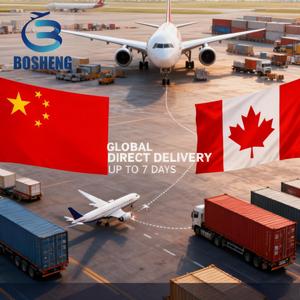
End-to-end hazardous logistics for bulk liquid ammonium nitrate, crop defense chemicals, and industrial soil additives requiring strict ADR compliance and SENT registration in Poland.
Get a Quote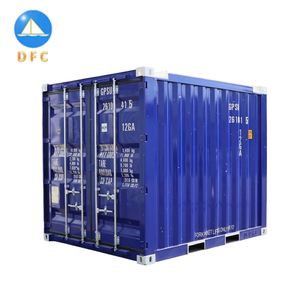
Heavy-duty offshore and intermodal flat rack shipping containers designed for transporting large grain harvesters, tractor units, and bulk silo discharge systems into Polish farm regions.
Get a Quote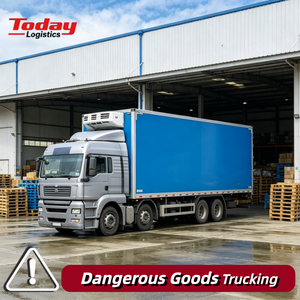
Dedicated bulk road freight fleets including grain tippers, silo trailers, and container chassis connecting Polish ports to major processing hubs in Poznań, Wrocław, and Lublin.
Get a Quote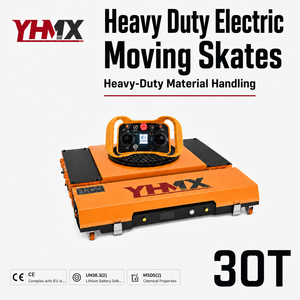
Advanced heavy-load motorized carriers and flexitank positioning chassis tailored for bulk sunflower oil, rapeseed oil, and liquid bio-fertilizer transfers within refinery compounds.
Get a QuotePoland has solidified its position as one of Central and Eastern Europe's primary agricultural powerhouses and transit gateways. Positioned at the intersection of major trans-European transport networks (TEN-T), Poland serves both as a massive producer of agricultural commodities—such as wheat, rye, sugar beets, poultry feed, and rapeseed—and as a vital maritime and overland conduit for bulk agricultural imports and exports across the European Union, Ukraine, and the wider Baltic region.
Managing the supply chain for agricultural bulk commodities destined for or originating in Poland requires specialized engineering, strict adherence to European sanitary standards, and robust multimodal transport infrastructure. Bulk shipping manufacturers, exporters, and logistics managers must navigate complex requirements ranging from moisture control during Baltic sea voyages to mandatory compliance with Poland's national digital transport monitoring system (SENT).
Bulk agricultural logistics in Poland is centered around specific geographic hubs and industrial corridors, each demanding tailored equipment and transport configurations:
The Deepwater Container Terminal (DCT) Gdańsk and the Port of Gdynia Grain Terminals handle the vast majority of Poland’s bulk sea freight. Inbound bulk shipments of raw oilseeds, soybean meal, and bulk mineral fertilizers arrive via Panamax and Handymax bulk carriers or in 20ft dry van containers equipped with specialized bulk liners. Rapid discharge into port silos or direct transshipment onto rail tippers is critical to avoid demurrage penalties.
As the primary western terminus of the Eurasian land bridge, Małaszewicze handles massive rail volumes of grain, corn, and oilseeds arriving from Eastern Europe. Specialized hopper wagons and intermodal containers equipped with top-loading hatches and bottom-discharge gates are required to facilitate gauge-changing efficiency between broad-gauge (1520 mm) and standard European gauge (1435 mm) rail lines.
Inland regions like Poznań, Wrocław, and Opole represent Poland's core agricultural processing zones for oilseed crushing, feed milling, and bio-ethanol production. Transporting bulk raw materials from ports to these facilities requires certified GMP+ tipper trucks and food-grade flexitank containers designed to prevent cross-contamination and moisture buildup during inland drayage.
Shipping bulk agricultural goods like wheat, corn, and oilcake into the Baltic climate presents severe condensation risks. The rapid thermal shift when vessels enter colder northern European waters can cause "container sweat," leading to mold, mycotoxin spikes, and total cargo rejection by Polish phytosanitary inspectors (WIORiN). Modern bulk shipping factories utilize desiccated container liners with integrated moisture traps and micro-perforated aeration channels, guaranteeing relative humidity inside the container remains below 65% throughout the transit.
To successfully supply and ship bulk agricultural products to the Poland market, manufacturers and logistics providers must comply with rigorous regulatory frameworks enforced by Polish and European Union authorities:
Understanding the operational differences between standard freight handling and dedicated agricultural bulk shipping is essential for supply chain optimization in Poland:
| Logistics Dimension | Standard General Freight Forwarding | Specialized Agricultural Bulk Shipping |
|---|---|---|
| Contamination Protection | Standard sweep-cleaning between loads | ✓ GMP+ B4 certified multi-stage sanitation & liner installation |
| Moisture & Climate Control | Passive ventilation; standard corrugated walls | ✓ Anti-condensation thermal liners, desiccant matrices, sealed vents |
| Regulatory Compliance | Standard customs commercial clearance | ✓ Mandatory SENT GPS registration, WIORiN phytosanitary handling |
| Discharge Speed & Handling | Manual pallet offloading; forklift handling | ✓ Pneumatic discharge, hydraulic tipper chassis, flexitank pumps |
| Liquid Ag-Commodities | Drums and small totes | ✓ Heavy-duty multi-layer food-grade flexitanks & UN ISO tanks |
The agricultural shipping landscape in Poland is undergoing rapid modernization driven by geopolitical realignments, digital compliance, and environmental mandates:
A. Development of EU "Solidarity Lanes": Poland has expanded its border infrastructure to facilitate bulk grain transit from Eastern Europe toward West African and Middle Eastern markets via Baltic seaports. This has accelerated investments in fast-discharge dry bulk containerization and automated grain sampling terminals at Polish ports.
B. Decarbonization & Green Corridor Logistics: Major Polish agricultural buyers (such as commercial feed mills and bio-refineries) are prioritizing logistics partners that utilize eco-efficient transport fleets. The integration of electric tank transporters, LNG-powered feeder vessels, and optimized sea-to-rail intermodal routing drastically reduces Scope 3 carbon emissions across the agricultural supply chain.
C. Containerization of Bulk Grains: While traditional breakbulk shipping remains vital for massive grain cargoes, containerized bulk shipping (using 20ft heavy-duty containers with internal dry liners) is growing at over 12% annually in Poland. Containerization allows buyers to order smaller, customized batch sizes (20–500 metric tons), reduces storage costs, and enables direct door-to-door delivery without intermediate silo transfer losses.
We deliver unmatched operational reliability, E-E-A-T backed regulatory expertise, and complete multimodal supply chain coverage tailored to the Polish agricultural market.
Our dedicated logistics coordinators monitor your bulk shipments around the clock. With real-time GPS integration and active SENT tracking management, we ensure zero compliance delays at Polish ports and border posts.
In-house licensed customs specialists handle all aspects of EU import documentation, ISF filings, duty calculations, and phytosanitary inspection scheduling—eliminating costly port storage fees.
We supply and install certified dry-bulk liner bags, food-grade flexitanks, and heavy-duty container accessories engineered specifically for grain, pulse, oilseed, and liquid agricultural commodity stability.
Leverage our long-term space guarantees and competitive contract rates with major ocean container lines and bulk vessel operators servicing Gdańsk, Gdynia, and Szczecin-Świnoujście.
Expert technical answers addressing common bulk shipping, customs, and compliance queries in Poland.
