Explore our specialized industrial transportation products engineered specifically for automotive Tier-1, Tier-2, and OEM manufacturers across Austria. From hazardous lithium battery movements to door-to-door express air charters, our infrastructure ensures zero line-stoppages for your assembly operations.
Operating within Austria’s demanding automotive production ecosystem requires strict adherence to Just-In-Time (JIT) timelines. Our freight management infrastructure is built around real-time telemetry, automated regulatory clearance, and dedicated lane capacities.
A technical overview of cross-border supply chain integration, regulatory ADR compliance, and regional industrial cluster dynamics for Austrian OEMs.
Austria stands as a vital power-house in the European automotive landscape. Driven by world-class manufacturing centers in Styria (Graz - ACStria Automotive Cluster), Upper Austria (Steyr, Linz), and Vienna, the nation produces millions of internal combustion engines, transmission systems, electric drive units, and premium vehicles annually. Tier-1 giant Magna Steyr, alongside major powertrain manufacturing plants like BMW Group Plant Steyr and Voestalpine’s specialized automotive steel divisions, creates a highly complex web of inbound supply chain requirements.
To support this high-density ecosystem, manufacturers and global suppliers require seamless freight channels capable of sourcing components from Asia, North America, and Eastern Europe. The operational tolerance for delivery delays in Austrian assembly plants is measured in minutes. A single missed delivery window can trigger assembly line shutdowns costing tens of thousands of Euros per hour. Consequently, freight forwarders must offer sophisticated Just-In-Time (JIT) and Just-In-Sequence (JIS) logistics networks, backed by robust multimodal fallback infrastructure.
As Austria accelerates its green industrial transition, the logistics of Lithium-Ion Batteries (LIB), traction motors, and high-voltage power electronics have taken center stage. Battery logistics is governed by stringent international safety protocols, primarily the ADR (European Agreement concerning the International Carriage of Dangerous Goods by Road), alongside IATA Dangerous Goods Regulations (DGR) for air cargo and the IMDG Code for ocean transport.
Strict packaging validation for standalone lithium-ion batteries and cells contained within equipment, adhering to UN Specification Packaging guidelines with fire-retardant liners.
Monitored freight transit maintaining battery SoC within mandatory regulatory limits (typically below 30% for air cargo) paired with real-time IoT temperature telemetry.
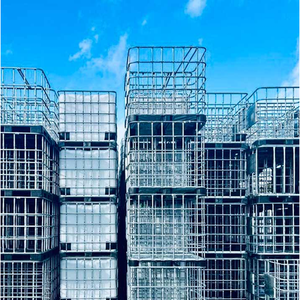
Closed-loop reverse logistics channels employing re-usable Intermediate Bulk Containers (IBCs) and specialized UN-rated boxes for spent, prototype, or defective battery packs.
Understanding regional geography and infrastructure bottlenecks is crucial for optimizing transport paths into Austria. Below are key operational corridors utilized by top manufacturers:
Serving the Magna Steyr ecosystem and regional component suppliers requires rapid access via the Southern Rail Axis and Autobahn networks (A2/A9). High-value electronic control units (ECUs), sensor arrays, and prototype transmissions are routinely flown into Vienna International Airport (VIE) or Munich Airport (MUC), followed by dedicated express road feeder services (RFS) delivering directly to plant loading docks within 4 to 6 hours of flight arrival.
Heavy structural automotive components, engine blocks, and raw steel coils moving into the Steyr and Linz manufacturing hubs utilize sea-rail multimodal corridors. Ocean shipments originating from Asian manufacturing hubs arrive at Adriatic ports such as Koper (Slovenia) or Trieste (Italy), bypassing congested Northern European ports. Dedicated block trains then move containers north through the Alps to Austria’s inland container terminals (e.g., Container Terminal Enns or Linz), significantly reducing transit times and CO2 emissions.
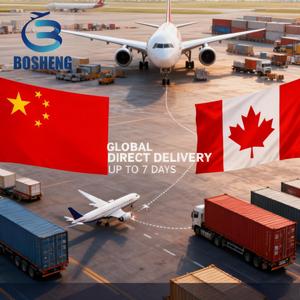
When an assembly line in Austria faces an emergency supply shortage, standard freight options are insufficient. Our specialized AOG (Automotive on Ground) Charter Division coordinates charter flights, Next-Flight-Out (NFO) air cargo, and onboard couriers (OBC) who hand-carry critical microchips, specialized tooling, or replacement dies straight from overseas factories to the factory floor in Austria.
To maintain a competitive edge, procurement managers must adapt to rapidly changing European transport regulations and sustainability imperatives:
Built upon years of international supply chain management, our service structure combines deep technical knowledge with robust physical assets across ocean, air, rail, and road freight corridors.
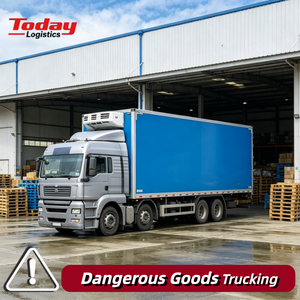
Certified Class 3 (Flammable Liquids), Class 8 (Corrosives), and Class 9 (Lithium Batteries & Miscellaneous DG) capabilities backed by licensed in-house safety advisors.
Direct access to Adriatic port express rail linkages (Koper/Trieste to Graz/Linz) ensuring maximum speed, reduced carbon footprint, and predictable transit schedules.
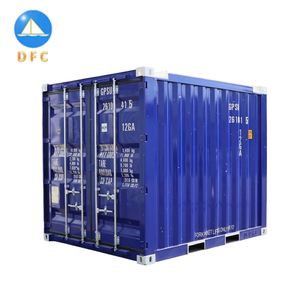
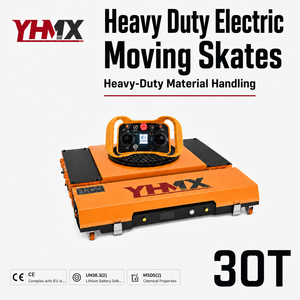
DNV-certified flat racks, open-top containers, and specialized 30-ton indoor plant electric carriers for transporting out-of-gauge presses, tooling, and heavy chassis moulds.
Get immediate clarity on customs, hazardous transport compliance, transit times, and logistics protocols when sourcing automotive spare parts into Austria.
Connect with our specialized European freight engineers to design a zero-delay, ADR-compliant freight solution tailored to your manufacturing requirements.
