Customized inland waterway barges, heavy-duty industrial carriers, DNV offshore racks, and integrated door-to-door chemical logistics tailored for Romanian inland ports.
Romania stands as the undisputed eastern gateway of European inland navigation, anchored by the critical junction where the Danube River meets the Black Sea at the Port of Constanța. Spanning over 1,075 kilometers within Romanian territory, the Danube (Dunărea) serves as the primary aquatic artery for Pan-European Transport Corridor VII, connecting the North Sea (via the Rhine-Main-Danube canal system) directly to Eastern Europe and the Middle East.
As global supply chains shift toward decarbonization, fuel efficiency, and high-capacity bulk transport, barge inland waterway transport (IWT) in Romania has transitioned from a traditional bulk transport alternative to a core strategic asset. Modern river transport in Romania encompasses dry bulk agricultural exports (wheat, maize, sunflower seeds), energy minerals, heavy industrial project cargo, breakbulk steel, and specialized hazardous chemicals regulated under strict European ADN protocols.
Information Gain Insight: Navigating the Danube-Black Sea Canal (Canalul Dunăre-Marea Neagră) reduces the maritime voyage from the Danube river ports to Constanța by approximately 400 nautical miles compared to the natural Sulina river branch, cutting transit operational costs by up to 32% for heavy barge convoys.
To capture maximum commercial value from this corridor, regional project managers, shipyards, agricultural exporters, and industrial manufacturers require high-specification inland waterway vessels, custom deck barges, pushers, and specialized cargo handling units engineered specifically to overcome the seasonal hydrographic variables of the Lower Danube basin.
Operating barges on the Romanian Danube segment requires strict engineering adherence to draft limits (draught capacity), lock dimensions at Cernavodă and Agigea, and bridge clearance profiles across the river stretch. Below is a structural analysis of barge types supplied and exported for the Romanian market.
| Barge & Unit Type | Typical Payload / TEU | Draft Range (Meters) | Key Operational Application | ADN / DNV Certification |
|---|---|---|---|---|
| Europa II / IIb Push Barges | 1,500 – 2,700 Tons | 1.8m – 3.8m | Grain, Iron Ore, Coal transshipment to Port of Constanța | Standard IWT Inland Class |
| Heavy Lift Deck Barges | 2,000 – 5,000 Tons | 1.5m – 2.8m | Wind Turbine Blades, Transformers, Shipyard Modules | Bureau Veritas / DNV GL |
| Double-Hull Chemical Barges | 1,200 – 3,000 m³ | 2.0m – 3.2m | Liquid Fertilizers, Petrochemicals, Acids | ADN Type C / Type N |
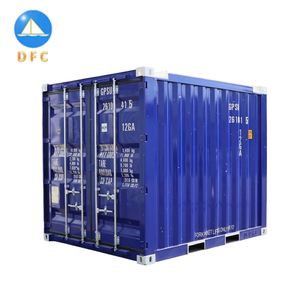
| DNV Offshore Flat Racks | 20T – 45T per Rack | N/A (Containerized) | Black Sea Offshore Gas Projects (Neptun Deep) | DNV 2.7-1 / EN 12079 |
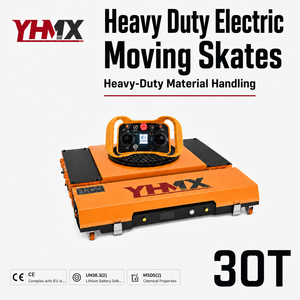
| Electric Yard Tank Carriers | 30 Ton Capacity | N/A (Heavy Yard Platform) | Port Terminal & Shipyard Modular Component Transfer | CE / ISO Heavy Industrial |
A major technical hurdle in Lower Danube river transport is the seasonal hydrological fluctuation, particularly near bottlenecks such as Zimnicea and Cernavodă. During late summer dry periods, water depths can decrease significantly. Advanced barge designs exported to Romania utilize high-tensile lightweight steel structures, optimized flat-bottom hydrodynamic hulls, and modular ballasting systems. These features enable vessels to carry up to 75% of maximum capacity even at restrictive drafts of 1.8 to 2.0 meters, preserving logistical continuity when conventional craft are forced to anchor.
How specialized inland waterway supply solutions integrate into Romania's key industrial, agricultural, and energy hubs.
Serving as the transshipment nexus between panamax ocean vessels and Danube river push convoys. High-capacity Europa II barges export grain directly from agricultural silos in Southern Romania to ocean terminals in Agigea.
In the maritime section of the Danube, heavy deck barges and DNV-certified offshore flat racks transport raw steel, heavy machinery, and fabricated structural ship components between shipyards and inland manufacturing facilities.
Navigating through the dual locks at Cernavodă and Agigea requires precise barge width compliance (maximum 16.5m beam for standardized lock entry). Controlled water movement ensures reliable timelines for time-critical container barges.
The European Green Deal mandates a 90% reduction in transport-related greenhouse gas emissions by 2050, putting inland navigation directly in the spotlight. Compared to road transport, which emits up to 139 grams of CO2 per ton-kilometer, modern pushed barge convoys produce under 31 grams per ton-kilometer. Romanian transport operators are increasingly modernizing their fleets with low-emission diesel-electric pushers, LNG-hybrid engines, and heavy-duty electric terminal yard equipment (such as 30-ton remote-controlled electric tank transporters) to meet strict EU ESG requirements.
Romania’s Danube Administration (AFDJ Galați and APDF Giurgiu) has accelerated the implementation of River Information Services (RIS). Modern inland barges supplied to this market are equipped with Automated Identification Systems (AIS Class A Inland), electronic chart display software (ECDIS Inland), and automated draft sensors. This digital integration allows dynamic voyage planning based on real-time depth measurements across critical shoals, optimizing fuel usage and preventing unexpected vessel groundings.
With major natural gas projects progressing in the Black Sea (e.g., Neptun Deep), the demand for DNV 2.7-1 certified offshore containers, flat racks, and high-load deck barges has increased significantly. Equipment exported to Romania must comply with stringent marine offshore safety standards, supporting transshipment operations between inland staging bases in Constanța and offshore platforms.
Leveraging deep technical experience, specialized compliance knowledge, and global logistics networks.
Our operational desk operates 24 hours a day, 7 days a week, providing real-time positioning updates for barge fleets navigating the Danube River and Black Sea coastal zones.
Full-service handling of EU import/export documentation, T1 transit forms, ISF filings, and regulatory clearance across Romanian customs checkpoints in Constanța, Galați, and Giurgiu.
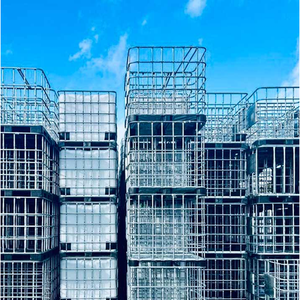
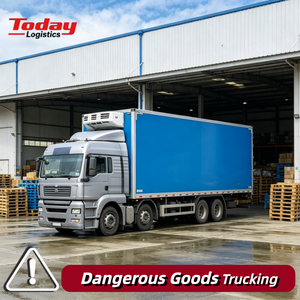
Certified hazardous material transport solutions (Class 3, Class 8, Class 9) equipped with certified IBC containers, specialized tank barges, and trained river transport personnel.
From heavy-lift DNV flat racks to specialized 30-ton electric yard transporters, we engineer end-to-end multimodal transport solutions for over-dimensional machinery.
Upfront freight quoting with zero hidden surcharges, ensuring clear budget forecasting across ocean transport, river barge freight, terminal handling, and last-mile drayage.
Direct strategic alliances with major European river operators, Black Sea shipyards, and intermodal rail terminals throughout Romania and Central Europe.
Expert insights addressing common operational, legal, and hydrographic procurement queries for the Romanian market.
Speak with our senior inland waterway engineering and multimodal freight specialists. Get technical whitepaper consultations, fleet customization estimates, and competitive freight quotes within 24 hours.
Send an Inquiry