Engineered for wine, craft spirits, beer, fruit concentrates, and high-value liquid FMCG moving from global production hubs into London ports and UK bonded warehouses.



The Greater London metropolitan region represents one of the world's most lucrative yet highly regulated import markets for premium beverages, fine wines, distilled spirits, craft beers, and raw liquid ingredients. Importers, beverage brand owners, and global exporters face a dual challenge: maintaining strict thermal integrity across intermodal transit routes while seamlessly navigating UK Customs, HM Revenue & Customs (HMRC) excise regulations, and local environmental transport mandates such as the London Ultra Low Emission Zone (ULEZ).
As a specialized beverage cargo shipping supplier and global exporter, our supply chain architecture bridges international manufacturing centers (across Asia-Pacific, North America, and Mainland Europe) directly to London’s key logistics nodes—including DP World London Gateway, the Port of Tilbury, London Thamesport, and Heathrow Airport (LHR). By engineering customized, end-to-end transport protocols, we eliminate temperature-induced spoilage, prevent cargo loss due to container thermal shock, and streamline excise duty-suspended movements into tax-bonded warehouses throughout the South East of England.
London acts as the primary distribution nexus for over 68% of the UK’s premium wine and spirits imports. Managing beverage freight into this region demands deep expertise in both bulk transport (utilizing food-grade Flexitanks and reusable stainless steel IBC containers) and unitized, temperature-controlled ocean reefer shipping. The introduction of the UK's Alcohol Duty Reform (DRA) and stringent HMRC Electronic Movement and Control System (EMCS) tracking mandates that exporters partner with freight forwarders capable of integrating digital compliance directly into physical transport operations.
Different beverage categories possess unique biochemical vulnerabilities, shelf-life sensitivities, and regulatory classifications. Below are four primary deployment frameworks engineered specifically for importers and buyers operating across the London market.
High-value bottled wines and aged spirits are exceptionally sensitive to thermal fluctuation, vibration, and humidity drops during ocean transit. We deploy active refrigerated (Reefer) containers equipped with real-time IoT telemetry, maintaining a stable +12°C to +14°C profile. Upon arrival at London Gateway or Tilbury, cargo is transferred under duty-suspended status directly to Bonded Warehouses in Park Royal, Dartford, or Heathrow logistics corridors via HMRC-approved carrier networks.
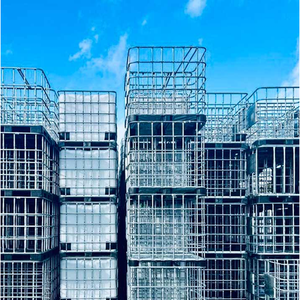
For high-volume juice concentrates, edible oils, wines for domestic bottling, and craft brewing syrup, traditional bottling at origin incurs prohibitive shipping mass. We supply non-hazardous food-grade Flexitanks (up to 24,000 liters per 20ft container) and heavy-duty IBC container return systems. This maximizes volumetric efficiency, reducing ocean freight costs per liter by up to 40% while preserving liquid purity from point of manufacture to UK bottling plants.
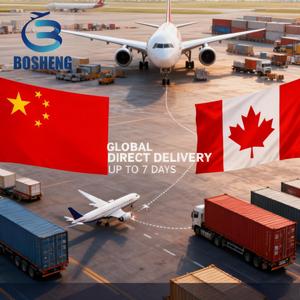
Seasonal releases, limited-run craft beers, and promotional beverage samples require rapid market entry to capitalize on short retail windows in Central London. Utilizing express door-to-door air freight protocols from international origins into London Heathrow (LHR), cargo passes through expedited port-of-entry customs clearance, utilizing temperature-controlled ambient dollies to ensure zero thermal degradation.
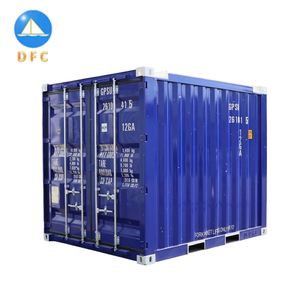
Spirits with alcohol by volume (ABV) exceeding 24% (such as high-proof whiskey, rum, and neutral grain spirit) are legally classified as Class 3 Dangerous Goods (UN 1170). Our logistics network utilizes UN-certified ISO Tank containers, explosion-proof pumping equipment, and specialized ADR-certified heavy tank transporters equipped with remote telemetry for full compliance with UK safety authorities.
Selecting the optimal shipping mode depends on commodity value, shelf stability, and volume requirements. The table below outlines operational parameters for London-bound beverage freight:
| Transport Mode | Suitable Commodities | Thermal Control Spec | Payload Capacity | London Gateway Handling |
|---|---|---|---|---|
| Ocean FCL Reefer | Bottled Wines, Premium Spirits, Cider | Active (-30°C to +30°C ±0.2°C) | 26,000 kg / 40ft High Cube | Direct Port-to-Rail / Bonded Trucking |
| Flexitank in 20ft Dry | Bulk Wine, Fruit Juices, Concentrates | Passive (Thermal Blankets Available) | 24,000 Liters / 20ft Dry Unit | DP World London Gateway Liquid Hub |
| ISO Tank Container | High-Proof Spirits (Class 3 DG), Ethanol | Steam Heated / Insulated Layer | 26,000 Liters / Standard ISO Frame | Tilbury Hazardous Goods Terminal |
| Air Freight (LHR) | High-Value Samples, Seasonal Releases | Perishable Controlled (+15°C to +25°C) | Palletized PMC / ULD Containers | Expedited Heathrow Cargo Terminal Clearance |
The beverage logistics sector in Greater London is undergoing a major structural transformation driven by environmental legislation, digital trade infrastructure, and shifting consumer consumption patterns across the UK capital.
Central London’s strict ULEZ enforcement requires that all freight vehicles transporting beverage cargo into Inner London meet stringent Euro VI emissions standards or utilize zero-emission heavy electric vehicles. As a forward-thinking supplier and exporter, our last-mile distribution network integrates electric heavy tank carriers and Euro VI-compliant drayage fleets. This enables uninterrupted access to central distribution nodes in Southwark, Tower Hamlets, Camden, and the West End without incurring punitive municipal congestion penalties.
In alignment with UK environmental regulations and corporate net-zero commitments, beverage importers are increasingly phasing out single-use IBCs and wooden pallets. We support sustainable circular supply chains by supplying traceable, heavy-duty intermediate bulk containers (IBCs) equipped with RFID tags. Our reverse logistics network manages empty container returns from London processing facilities back to overseas filling plants, reducing total packaging lifecycle costs by up to 35%.
Following post-Brexit customs shifts, importing excise goods into Great Britain requires absolute compliance with HMRC’s Excise Movement and Control System (EMCS) and the Customs Declaration Service (CDS). Exporters shipping to London must register movements prior to vessel dispatch. Our in-house licensed customs brokerage generates automated Administrative Reference Codes (ARC), ensuring smooth duty-suspended transit from port-of-entry directly to registered excise warehouses (REDS/WOWGR facilities).
We combine international logistics capabilities with specialized beverage handling expertise. Our infrastructure is built to protect product integrity, streamline regulatory compliance, and eliminate supply chain friction.
All shipping containers, flexitanks, and handling tools strictly adhere to ISO 22000 and HACCP hygiene standards, ensuring zero cross-contamination.
Continuous monitoring of internal container temperature, relative humidity, and geographic position via IoT sensor arrays.
Direct EDI integration with HMRC CDS and EMCS systems, guaranteeing rapid port clearance and duty deferment management.
Fully certified for high-proof spirits and hazardous chemical beverage additives under IMDG, ICAO, and ADR rules.
Direct feeder services connecting Thames estuary deep-water terminals to inland rail hubs and ULEZ-compliant road haulage.
Access to secure bonded warehousing facilities strategically located around the London orbital motorway network (M25).
Below are authoritative technical answers to common questions regarding beverage cargo transport into London and the wider United Kingdom.
The primary ocean entry gateways for Greater London are DP World London Gateway and the Port of Tilbury (London Container Terminal - LCT). Both terminals boast state-of-the-art reefer plug infrastructure, automated container inspection facilities, and direct rail connections to inland distribution hubs. For air freight, London Heathrow (LHR) serves as the central hub for perishable and high-value beverage shipments.
Alcoholic beverages imported into Great Britain are subject to UK Excise Duty upon entry into home use. However, by using the Excise Movement and Control System (EMCS), goods can be transported under Duty Suspension from the arrival port directly to an HMRC-approved Excise Bonded Warehouse. Duty is only payable when the beverage is released into the domestic retail market. Our licensed customs brokerage handles all ARC code generation and guarantee declarations.
To combat extreme temperature swings during ocean crossings and transit through the English Channel, we employ two primary defense layers: Active Climate Control (Reefer Containers) set to constant +12°C–+15°C, or Passive Insulation (Multi-Layer Thermal Liners/Blankets) inside dry containers. Thermal liners reflect up to 97% of radiant heat and shield wine from thermal spikes during port dwell times.
Yes. Our multi-layer food-grade flexitanks feature specialized EVOH (Ethylene Vinyl Alcohol) oxygen barrier films that prevent oxidation, organoleptic degradation, and moisture ingress. They are fully COA (Container Owners Association) tested and ISO 22000 certified, making them an ideal, cost-effective solution for transporting premium bulk liquids without altering flavor or bouquet.
Spirits with ABV > 24% fall under International Maritime Dangerous Goods (IMDG) Class 3 (Flammable Liquids). Transport requires UN-approved packaging (or ISO Tanks), hazardous cargo documentation (DGD), and certified ADR drivers for road haulage within London. Furthermore, delivery vehicles entering Central London must comply with ULEZ emissions limits and local council time-window restrictions for dangerous goods delivery.
You can request an all-inclusive freight consultation by clicking the Get Catalog button on this page. Our logistics specialists will analyze your product specs, cargo volume, temperature requirements, and destination postcode to provide a tailored quote within 24 hours.
Connect with our expert team today to access specialized cold-chain equipment, HMRC bonded brokerage services, and competitive global shipping rates.
Get Catalog