Engineered for automotive OEMs, tier-1 component exporters, and industrial procurement teams delivering specialized machinery, dangerous goods, and vehicle units directly into Doha, Qatar.
The State of Qatar, driven by the ambitions of Qatar National Vision 2030, is undergoing a profound industrial metamorphosis. As Doha cements its position as an emerging automotive assembly, electric vehicle (EV) fleet deployment, and specialized heavy-machinery hub within the Gulf Cooperation Council (GCC), the structural demand for robust, highly compliant original equipment manufacturer (OEM) supply chains has escalated exponentially. Navigating the logistics corridor between international manufacturing strongholds—across Asia, Europe, and the Americas—and Doha demands more than routine freight forwarding; it necessitates an engineered, end-to-end logistical framework certified under rigorous international standards, including European Conformity (CE Marking), IATF 16949 quality controls, and ISO 9001/14001 environmental safety guidelines.
Automotive OEM logistics involves the orchestrated synchronization of raw sub-assemblies, stamped body panels, sensitive electronic control units (ECUs), high-voltage lithium-ion traction batteries, and liquid chemical payloads. A single failure in environmental controls, mechanical load securing, or customs regulatory alignment can result in assembly line stoppage (Unscheduled Line Stop), incurring costs exceeding tens of thousands of dollars per hour. For Doha-bound procurement directors and tier-1 system integrators, selecting a CE Certified Automotive OEM Logistics Supplier & Exporter is the foundational safeguard against supply chain volatility, thermal stress damage during Middle Eastern transit, and non-compliance penalties at Hamad Port or Hamad International Airport (DOH).
While CE certification primarily governs health, safety, and environmental protection standards within the European Economic Area (EEA), its technical frameworks—specifically Directives 2006/42/EC (Machinery Directive), 2014/30/EU (Electromagnetic Compatibility), and UN 38.3 (Lithium Battery Transport Safety)—have been adopted by the Qatar General Organization for Standardization (QS) and the GCC Standardization Organization (GSO). Logistics equipment (such as 30-ton heavy electric transporters, automated guided vehicles, and specialized offshore flat racks) utilizing valid CE certification guarantees compliance with Qatari occupational safety regulations (Law No. 14 of 2004) and smooth entry validation through the Qatar Customs Authority.
Supplying Doha’s rapidly evolving industrial ecosystems—including the Ras Laffan Industrial City, Mesaieed Industrial Zone, and the Um Alhoul Special Economic Zone adjacent to Hamad Port—requires bespoke hardware and specialized transport operational methodologies. Below is an in-depth technical analysis of our CE-certified OEM logistics product portfolio:
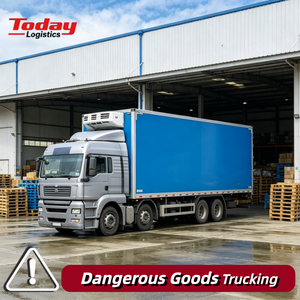
Electric mobility initiatives in Qatar require secure transport of high-capacity lithium-ion battery packs. Our solutions integrate active thermal monitoring, UN-certified explosion-proof containment, and full compliance with IATA Dangerous Goods Regulations (DGR) and the IMDG Code for sea freight into Hamad Port.
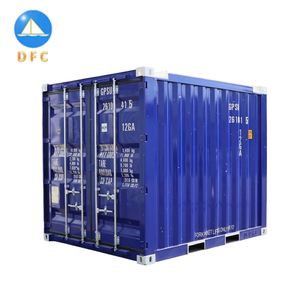
Moving heavy automotive press dies, chassis frames, and industrial stamping units requires extreme structural integrity. Certified 10ft, 20ft, and 40ft offshore flat-rack containers withstand dynamic payload forces up to 45 metric tons under severe ambient thermal variations (+50°C summer heat in Qatar).
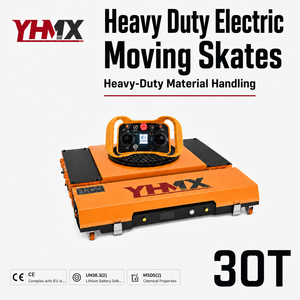
In-plant movement of heavy automotive body molds and fluid tanks in Doha assembly facilities demands zero-emission, high-torque industrial movers. Our CE-certified 30-ton wireless remote-controlled electric carriers deliver millimeter-precision maneuvering with dual-redundant braking safety loops.
| Logistics Category | CE & Technical Directive | Thermal & Environmental Specs | GCC/Doha Customs Protocol | Primary OEM Application |
|---|---|---|---|---|
| Class 9 EV Batteries | UN 38.3 / CE 2014/30/EU / ADR Class 9 | Active Cold-Chain (-20°C to +45°C Controlled) | MoICI Pre-Approval & MSDS Clearance | Electric Bus & Passenger Vehicle Packs |
| Heavy Tooling & Dies | DNV 2.7-1 / EN 12079 / CE Machinery | Anti-Corrosion Marine Paint (ISO 12944 C5M) | Hamad Port Direct Heavy-Lift Drayage | Automotive Stamping & Chassis Dies |
| 30T Tank Carrier | 2006/42/EC / Wireless RED 2014/53/EU | IP65 Dust & High Humidity Enclosure | Industrial Equipment Duty Exemption (QFZ) | Plant Floor Material Handling & Rigging |
| Automotive Fluids/IBC | UN 31HA1 / CE Chemical Safety | UV-Stabilized High-Density Polyethylene | Qatar Civil Defence Approval (QCDD) | Paints, Solvents, E-Coat Resins & Oils |
Logistical execution in Qatar is governed by specific geographical, infrastructural, and regulatory parameters. Operating seamlessly in Doha requires deep integration with local transport arteries, maritime port schedules, and free zone regulations. Below are four key operational scenarios detailing our on-the-ground execution:
Situated directly adjacent to Hamad Port, the Um Alhoul Free Zone caters to advanced manufacturing and automotive assembly ventures. Our CE-certified logistics protocol manages automated component feeding directly from container berths to factory floor buffer stocks. Utilizing GPS-tracked pneumatic-suspension chassis trucks, fragile electronic assemblies and calibrated sensors are protected against roadway micro-vibrations, ensuring zero-defect delivery within tight 45-minute JIT delivery windows.
During Qatar's summer months, ambient tarmac temperatures at Hamad International Airport (DOH) can exceed +55°C. Unprotected lithium-ion battery shipments face rapid thermal degradation and thermal runaway risks. Our air cargo door-to-door service incorporates CE-compliant active refrigerated air-cargo containers (Envirotainer/RCM) backed by real-time cellular telemetry. Temperature, relative humidity, and shock loads are logged continuously and transmitted to our 24/7 central monitoring hub, assuring complete battery cell integrity upon arrival at Doha distributor yards.
Expanding automotive stamping lines in Doha’s peripheral industrial cities requires the transport of ultra-heavy machinery components weighing up to 30 metric tons per module. Deploying our wireless remote-controlled electric tank carriers, our specialized heavy-lift engineering teams perform low-clearance indoor positioning, placing heavy press beds onto foundation bolts with micro-metric accuracy without relying on overhead cranes, significantly reducing plant installation lead times.
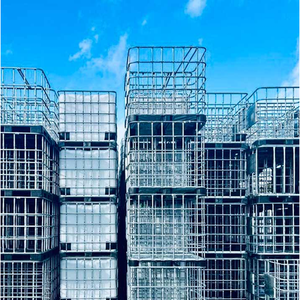
Automotive e-coating and paint shops in Doha consume vast quantities of specialty polymers, clear coats, and corrosion inhibitors shipped in Intermediate Bulk Containers (IBCs). We provide a circular, closed-loop return and purchase service. Used chemical IBC containers are inspected under CE re-certification protocols, triple-rinsed according to Ministry of Environment and Climate Change (MECC) standards, and repatriated back to international chemical manufacturers, minimizing local waste disposal levies for Qatari OEMs.
The Qatari automotive logistics landscape is experiencing structural evolution driven by technological innovation and governmental decarbonization mandates:
Qatar’s Ministry of Transport (MOT) has targeted an 80%+ electric public transit bus fleet conversion. This transition requires high-volume imports of high-voltage battery modules, charging infrastructure, and specialized maintenance equipment requiring Class 9 hazmat air-sea multimodal channels.
The establishing of competitive tax incentives and 100% foreign ownership frameworks in Ras Bufontas and Um Alhoul has attracted global tier-1 automotive suppliers. Establishing regional hub warehousing in these zones requires bonded drayage, customs duty deferral management, and CE-compliant material handling systems.
Modern procurement executives in Doha demand granular, real-time visibility into international supply pipelines. Implementing IoT sensors across ocean containers allows predictive ETA calculations, automated customs filing triggers, and instant telemetry alerts for ambient condition breaches.
Drawing upon over two decades of international freight forwarding, customs brokerage, and heavy project cargo expertise—anchored by strategic logistics operations near major international hubs like Los Angeles (LAX/Port of LA) and connected directly to the Port of Hamad (QA HMD)—our organization stands as a premier supply chain partner for Qatari enterprise buyers.
Importing automotive components into Doha requires a Commercial Invoice, Detailed Packing List, Certificate of Origin (legalized by the Qatar Embassy or Chamber of Commerce), Bill of Lading/Air Waybill, and a Declaration of Conformity proving CE/GSO certification. For dangerous goods (e.g., lithium batteries or chemicals), a valid Material Safety Data Sheet (MSDS) in English and Arabic along with a Qatar Ministry of Interior/Civil Defence permit is required prior to vessel discharge at Hamad Port.
We utilize CE and UN-certified active climate-controlled reefer containers (for sea freight) and specialized refrigerated cargo pods (for air freight) maintained at a constant 15°C to 25°C setpoint. Real-time IoT temperature and humidity sensors continuously stream data to our 24/7 monitoring team. In the event of a power interruption or ambient temperature spike at Hamad Port tarmac, automated alerts trigger immediate emergency cooling protocols or priority customs release.
Yes. We deploy CE-certified 30-ton heavy-duty electric tank transporters equipped with wireless remote control systems. These low-profile, high-torque industrial movers allow safe, zero-emission positioning of heavy press dies, body molds, and machinery components inside enclosed factory floors in Um Alhoul or Mesaieed without needing overhead crane infrastructure.
For urgent line-stop emergencies, our Next-Flight-Out (NFO) air cargo service provides direct transit into Hamad International Airport (DOH) within 24 to 48 hours from major manufacturing hubs worldwide. For regular stock replenishment, ocean FCL services to Hamad Port offer reliable, cost-effective lead times paired with pre-cleared customs clearance for immediate door delivery.
All hazardous liquids are transported in UN/CE certified heavy-duty containers (including UN-approved IBCs or ISO tank containers). Our logistics operations strictly observe the International Maritime Dangerous Goods (IMDG) code and Qatari Ministry of Environment and Climate Change (MECC) directives, ensuring double-walled containment, spill-kit provisioning, and certified hazmat transport drivers for all inland Doha road transit.
You can instantly initiate a technical consultation and request a full product catalog or freight quotation by clicking any of the call-to-action buttons below or contacting our technical sales team via the live chat portal. Our automotive supply chain engineers will review your cargo specifications, route requirements, and compliance needs to deliver a customized proposal within 24 hours.
Partner with a certified global leader in CE-compliant automotive OEM logistics, hazardous materials transport, and heavy industrial moving. Get instant access to our comprehensive technical specifications and rates.
