Israel Renewable Procurement FAQ
Critical answers for project managers, logistics engineers, and procurement directors importing wind turbine components into Israel.
What specific certifications are mandatory for wind components imported into Israel?
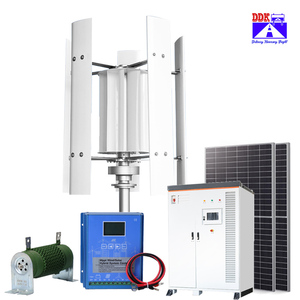
Components imported into Israel must carry valid European CE certification under the Machinery Directive 2006/42/EC, Low Voltage Directive 2014/35/EU, and Electromagnetic Compatibility Directive 2014/30/EU. Structural steel components (such as towers and storage frames) must comply with EN 1090-2 execution standards. Furthermore, imported electrical units undergo verification by the Standards Institution of Israel (SII) to confirm compliance with national electrical grid safety codes (IS 61400 series).
How are oversized wind turbine components transported from Israeli ports to project sites?
Oversized cargo (ODC) landing at Haifa Port or Ashdod Port is routed via specialized heavy-haul transport arrangements. Towers, blades, and heavy nacelles require police escorts, nighttime transit windows, and special permits from the Ministry of Transport for travel on Route 6 (Trans-Israel Highway) and narrow northern mountain access roads leading to Golan Heights sites.
How do you protect steel components against severe Levantine coastal corrosion?
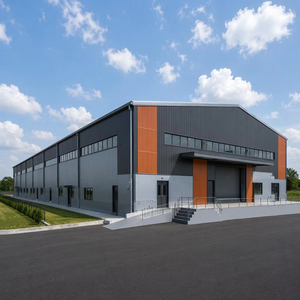
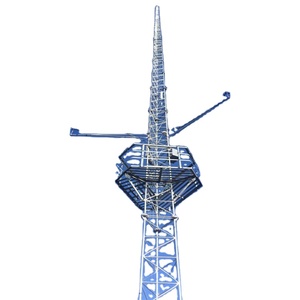
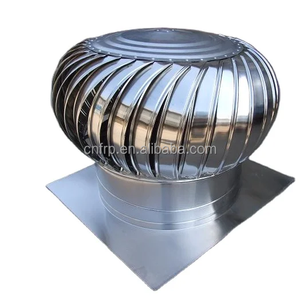
All structural tubular guyed towers, fasteners, and steel storage buildings intended for coastal environments are hot-dip galvanized in accordance with ISO 1461, yielding a zinc layer exceeding 85 µm. Mechanical components such as SS304 roof ventilators receive electropolishing treatment, achieving a C5-M atmospheric corrosivity rating designed for decades of exposure to Mediterranean salt fog.
What are the customs duties and tariff classifications (HTS) for wind turbine imports?
Wind turbine generating sets are typically classified under HTS Code 8502.31. Steel tower structures fall under HTS Code 7308.20, while slewing pitch bearings are classified under 8482.10/8482.20. Under Israel's international trade agreements, many CE-certified green energy components qualify for reduced or zero-tariff customs entry, provided origin documentation and Euro-1 standard declarations are properly filed by licensed customs brokers.
What measures are taken to prevent dust abrasion on wind turbines operating in the Negev Desert?
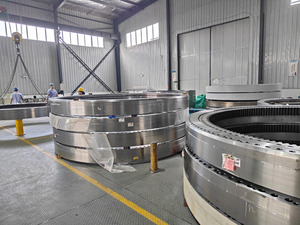
For southern Israeli desert environments, wind turbines from 10kW to 50kW are manufactured with sealed nacelles rated to IP65/IP67 ingress protection. Bearings feature triple-lip radial shaft seals, heavy synthetic grease lubrication, and hard-anodized or powder-coated outer surfaces designed to withstand ambient temperatures up to 50°C and sand-scouring winds.
Can your team handle door-to-door project logistics including site erection crane staging?
Yes. We offer complete turnkey project cargo solutions. This includes international ocean freight (FCL/LCL/Breakbulk), import customs clearance at Haifa or Ashdod, intermediate staging at bonded steel storage facilities, heavy-load highway haulage, and site delivery coordinated with mobile erection crane teams.