Chemical Liquid Tank Container Logistics Manufacturer & Supplier in the Chicago Market

Heavy-Duty ISO Tank Containers, Intermodal Hazardous Freight Forwarding & Local Fleet Operations in Greater Chicago

As a trusted global engineering manufacturer and intermodal freight forwarder servicing the Chicago metropolitan area, Illinois industrial corridors, and the Midwest manufacturing hub, we specialize in high-integrity ISO liquid tank container manufacturing, customized ASME portable tanks, hazardous material transport (Class 3, 6, 8, and 9), and localized end-to-end supply chain integration.
Featured Tank Containers & Chemical Transport Logistics Solutions

Air Cargo Door to Door Service & ISO Tank Forwarding
Air Cargo & Intermodal Tank Door-to-Door Logistics Service
Inquire Now
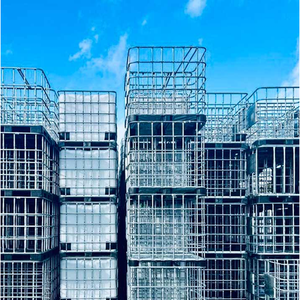
Used IBC Containers For Chemical Transportation
Stainless Steel IBC Chemical Containers & Return Depot Service
Inquire Now
Top-Rated Freight Forwarding Services Hazardous Material
Bulk Liquid Ocean & Inland Freight Handling for Dangerous Goods
Inquire Now
Sea Freight Forwarder China To USA Shipping Agent
International ISO Tank Shipping Agent & Transatlantic Sea Freight
Inquire Now
Professional Battery Door to Door Hazardous Materials Shipment
Class 3 / 8 / 9 Battery Acid & Hazardous Chemical Carrier
Inquire Now
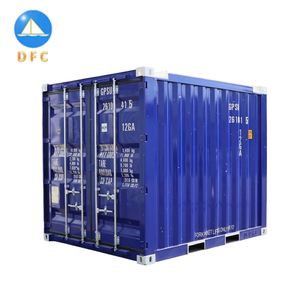
DNV Certified Offshore Flat Rack & Tank Shipping Container
DNV Certified 20ft / 40ft Industrial Project Liquid Tank Container
Inquire Now
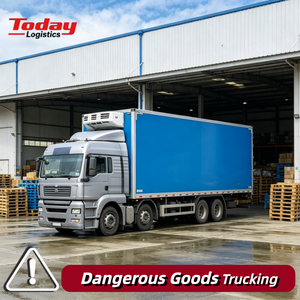
Logistics Trucking Hazardous Cargo Class 3/8/9 Door to Door
Chicago Regional Class 3/8/9 Liquid Tank Trucking & Drayage
Inquire Now
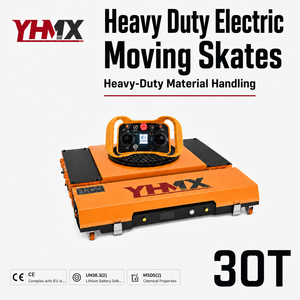
Electric Tank Carrier Heavy Duty Industrial Transporter
30-Ton Heavy Duty Yard ISO Tank Transporter with Remote Control
Inquire Now
25,000+
ISO Tanks Manufactured
100%
DOT & CFR 49 Compliant
6 Major
Class I Chicago Rail Links
24/7/365
Active GPS & Pressure Tracking

Chicago Market Industry Analysis: Bulk Chemical Tank Logistics Infrastructure

The Greater Chicago Metropolitan Area serves as the undisputed premier inland logistics crossroads of North America. Anchored by the intersection of six Class I railroad networks (BNSF, CN, CPKC, CSX, NS, and UP), major interstate transport corridors (I-55, I-80, I-90, I-94), and direct maritime access via the Port of Chicago and Illinois Waterway system, Chicago handles over 25% of all U.S. freight rail traffic and a massive volume of international bulk liquid chemicals.

Core Technical Insight: In the bulk chemical sector, liquid tank container equipment must bridge high-stress intermodal transitions—switching seamlessly between rail flatcars (COFC), long-haul highway chassis, and transoceanic container vessels without risking structural fatigue, thermal dissipation, or hazardous vapor venting.

Manufacturing and supplying chemical liquid tank containers in Chicago requires deep technical expertise tailored to the region's diverse industrial ecosystem. From high-purity food additives produced in Decatur and Peoria to aggressive corrosive chemicals processed in East Chicago, Hammond, and Joliet, logistics hardware must adhere strictly to United Nations (UN) Portable Tank specifications (T11, T14, T20, and T22) and U.S. Department of Transportation (DOT) Hazmat Regulations (49 CFR Parts 171–180).

Engineering & Metallurgy Specifications of Chemical ISO Tanks

316L Stainless Steel Shells

Manufactured using high-grade cold-rolled 316L austenitic stainless steel (UNS S31603) passivated for superior resistance against localized pitting, chloride corrosion, and aggressive organic acids commonly stored in Midwest chemical hubs.

Fluoropolymer Linings (PTFE/PFA)

For ultra-corrosive Class 8 acids (e.g., Hydrochloric, Hydrofluoric, and Nitric Acid mixtures), our tanks feature rotomolded ETFE, PFA, or thick PTFE linings engineered to withstand extreme pH fluctuations and thermal shock.

Thermal Trace & Insulation

Equipped with integrated steam heating channels or external electric thermal tracing, wrapped in 50mm high-density rockwool or polyurethane insulation with a protective FRP/stainless steel outer jacket for severe Midwest freezing winters.

Technical Comparison: Bulk Chemical Transport Formats

Specification / Feature Standard ISO Tank Container (T11/T14) Flexitank (in 20ft Dry Van) Intermediate Bulk Containers (IBCs)
Average Capacity 17,500 to 26,000 Liters 16,000 to 24,000 Liters 1,000 Liters per unit (approx. 18-20k L total)
Hazardous Cargo Capability Class 3, 6.1, 8, 9 (UN Approved) Non-Hazardous Liquids Only Limited Class 3 & 8 (Depends on UN rating)
Reusability & Lifespan 20+ Years (Reusable & Recertified) Single-Use (Disposable Polyethylene) Multi-use (Requires intense washing cycles)
Intermodal Switching Seamless (Rail, Road, Vessel) Road & Sea only (Not permitted on Class I Rail) High labor handling for loading/unloading
Midwest Freeze Resistance High (Integrated Steam/Electric Heating) Low (High risk of bottom valve freezing) Moderate (Requires climate-controlled warehousing)
Environmental Risk Mitigation Maximum (Double-seal valves, relief systems) Moderate (Risk of tears and sidewall bulging) High residual loss during drum rinsing

Localized Application Scenarios Across Illinois & Midwest Corridors

1. Joliet & Elwood Intermodal Petrochemical Hubs

At the CenterPoint Intermodal Center in Elwood/Joliet—the largest inland port in North America—our heavy-duty ISO tank containers are deployed daily for high-speed transfer between BNSF/UP rail ramps and regional chemical distribution plants. Tanks are equipped with full frame corner castings to absorb severe coupling forces during rail hump yard switching.

2. East Chicago & Northwest Indiana Corrosives Transit

Serving heavy industrial processing corridors from Calumet City to Gary, Indiana. We supply specialized T14 and T20 lined tanks designed specifically for high-density inorganic acids and caustic soda. These tanks utilize top-discharge configurations to eliminate bottom-outlet failure risks during transit.

3. Central Illinois Agricultural & Biofuel Logistics

Transporting high-purity bio-ethanol, specialty solvents, and agricultural liquid fertilizers from production centers in Decatur and Peoria down through Chicago's freight interchanges. Features include inert nitrogen-blanketing valves to prevent liquid oxidation and volatile vapor buildup during warm summer months.

4. Food-Grade & Oleochemical Distribution

Strictly segregated, 316L mirror-polished ISO tanks designed for sanitary liquid glucose, corn syrup, kosher vegetable oils, and food-grade glycerine. Fully compliant with FDA CFR Title 21 and 3-A Sanitary Standards, backed by certified local cleaning validation in Chicago depots.

Regulatory Compliance & Environmental Risk Mitigation

Navigating the complex regulatory landscape of hazardous liquid logistics in the Chicago market requires absolute compliance with local, federal, and international frameworks. Our equipment and freight operations strictly align with the following standards:

  • USDOT & Title 49 CFR: Full adherence to Title 49 Code of Federal Regulations covering Hazmat Table classifications, emergency response documentation, and tank re-test intervals (2.5-year intermediate and 5-year full hydrostatic testing).
  • ASME Section VIII Division 1: Pressure vessel manufacturing standards ensuring tank shells withstand working pressures up to 4.0 bar (58 PSI) and test pressures up to 6.0 bar (87 PSI).
  • ISO 1496/3 Standard: Standardized structural dimensions (20ft x 8ft x 8.6ft) and lifting capability allowing complete intermodal compatibility across global container ships and domestic chassis trailers.
  • Illinois EPA & City of Chicago Municipal Codes: Spill Prevention Control and Countermeasure (SPCC) protocols integrated into all tank depot handling, staging, and transfer facilities to safeguard local watersheds like Lake Michigan and the Calumet River.

Enterprise Advantages: Why Choose Our Chicago Tank Logistics Network

24/7 Operations & Smart Telematics

Real-time GPS tracking, electronic temperature logging, and real-time pressure sensor alerts keep fleet managers informed of cargo stability 24 hours a day, 365 days a year.

Licensed Customs & Drayage Network

Licensed hazmat drivers, certified customs clearance brokers, and dedicated intermodal drayage fleets operating out of Chicago depots ensure rapid turnarounds and zero demurrage delays.

Customized Engineering & Fleet Leasing

From short-term spot leasing in Midwest rail hubs to full custom manufacturing (baffle additions, specialized linings, heating jackets), we tailor solutions to your specific chemical payload.

Frequently Asked Questions (Chicago Regional Tank Procurement)

What ISO Tank Container types are recommended for hazardous chemical transport in Chicago? +
For general flammable liquids (Class 3) and mild corrosives, standard UN T11 stainless steel tanks are ideal. For highly aggressive Class 8 acids (such as sulfuric or hydrochloric acid), UN T14 or T20 tanks with specialized fluoropolymer linings (PTFE/PFA/ETFE) and top-discharge configurations are strictly required by DOT regulations.
How do your chemical tank containers handle severe Chicago freezing temperatures? +
Our winterized ISO tank containers are engineered with double-wall high-density polyurethane or rockwool insulation (50mm–100mm) and feature integrated steam heating coils or electric heat-tracing systems. This allows thermal maintenance or rapid re-heating of temperature-sensitive liquids at local Chicago depots before discharge.
Do you offer local intermodal tank drayage between Chicago rail ramps and chemical depots? +
Yes. We operate a fleet of specialized hazmat-certified chassis (including tri-axle chassis for heavy payloads) servicing all major Chicago intermodal rail hubs including BNSF Logistics Park Chicago (Elwood), UP Global IV (Joliet), CSX Bedford Park, and Norfolk Southern 47th Street yards.
What re-certification standards do your chemical tanks undergo? +
All chemical tank containers in our fleet undergo rigorous 2.5-year air pressure tests and 5-year full hydrostatic pressure inspections in accordance with 49 CFR § 180.605 and ISO 1496/3. Cleanliness certification, wall-thickness measurement, and valve pressure relief testing are provided prior to every dispatch.
What is the lead time for custom chemical ISO tank manufacturing for Midwest clients? +
Standard ISO T11/T14 units are maintained in active inventory across our regional depots for immediate dispatch or short-term leasing. Custom-engineered tanks requiring specific fluoropolymer linings, specialized heating jackets, or internal baffles typically require 6 to 10 weeks for production, testing, and delivery to the Chicago market.
Can your chemical ISO tanks be used for storage as well as transportation? +
Yes. ISO tank containers serve as excellent, secure static storage units ("drop-and-swap" units) at plant sites, eliminating the need for permanent storage tanks. They feature secondary containment compatibility and small footprints compared to traditional drum or tote staging.

Optimize Your Chemical Tank Supply Chain in Greater Chicago

Contact our technical engineering team today for custom tank container specifications, intermodal rate quotes, or local depot availability across Illinois and the Midwest industrial region.