


As the primary industrial engine of Central Japan (Chubu region), the Nagoya metropolitan area—spanning Aichi, Gifu, and Mie prefectures—represents one of the world's most complex, high-density logistics corridors. Driven by a massive automotive manufacturing sector (headquartered by Toyota Motor Corporation and its tier-1 supply networks), a rapidly expanding biopharmaceutical corridor, and the busiest maritime port in Japan by total cargo throughput (Port of Nagoya), the demand for high-integrity cold storage distribution networks has escalated dramatically.
As a leading global manufacturer and system integrator of specialized cold storage equipment, insulated intermodal shipping enclosures, and temperature-controlled logistics networks, our organization delivers targeted thermal engineering solutions tailored specifically to the climatic, spatial, and regulatory requirements of the Nagoya market. From the Central Japan International Airport (Chubu Centrair / NGO) cold zone down to the intermodal container handling yards at Nabeta Pier and Tobishima Pier, our systems ensure absolute thermal stability across every node of your supply chain.
Designing a resilient cold storage distribution network in Aichi Prefecture requires addressing unique regional factors: high coastal humidity during summer months, strict earthquake resistance (Taishin) structural standards, tight urban real estate constraints, and demanding energy efficiency goals set by Japan’s Net Zero 2050 mandate.
Engineered with modular Vacuum Insulation Panels (VIP) and dual-inverter compressor systems capable of simultaneously holding deep-freeze (-60°C to -20°C), chilled (+2°C to +8°C), and controlled ambient (+15°C to +25°C) zones within a unified structure.
Constructed with high-yield galvanised structural steel frames engineered to absorb seismic forces up to Intensity 7 on the JMA scale, mitigating risk in Japan's coastal industrial zones.
Utilizing low-GWP Transcritical CO2 (R744) and Ammonia (R717) cascade refrigeration units that comply with Japan’s Fluorocarbons Emission Control Act, cutting operational energy footprint by up to 34%.
The following performance matrix highlights the engineering specs of our cold storage modules and intermodal supply systems deployed across Nagoya's distribution corridors:
| System Classification | Operating Temp Range | Thermal Insulation Standard | Refrigeration Unit Specs | Primary Application Corridor |
|---|---|---|---|---|
| Pharma-Grade Hub Station | -80°C to +25°C (Multi-Zone) | VIP + PIR Panel (λ = 0.018 W/m·K) | Dual-Redundant Direct Expansion CO2 | Chubu Centrair Cargo Hub / Gifu Bio Corridor |
| Automotive Hazmat / Battery Shield | -10°C to +50°C (Thermal Lock) | Class A Fire-Rated Mineral Wool Core | Explosion-Proof (ATEX Zone 2) HVAC | Toyota City & Kariya Manufacturing Plants |
| Intermodal Reefer Logistics Rack | -30°C to +15°C | Reinforced Polyurethane Foam (70mm) | Hybrid Diesel-Electric / Shore Power Plug | Port of Nagoya (Tobishima / Nabeta Piers) |
| Urban Last-Mile Cold Depot | -25°C to +4°C | PIR Sandwich Panel (150mm Thickness) | Inverter Variable Speed Scroll Compressor | Nagoya City Center & Meishin Highway Express |
A supplier cannot offer a generic one-size-fits-all product to the Chubu region. The operational demands vary significantly depending on whether the payload is advanced electronics, lithium-ion battery modules, fresh marine produce from Ise Bay, or clinical therapeutics destined for Nagoya University Hospital. Below are four key localized application scenarios engineered by our manufacturing team:
With Aichi Prefecture standing as the undisputed epicenter of Japan's automotive innovation, the safe transit and cold-temperature conditioning of high-energy lithium-ion battery packs during thermal runaway testing is crucial. Our custom Battery Door-to-Door Thermal Isolation Units provide strict thermal control within ±0.5°C during transport between research labs in Toyota City and regional proving grounds, incorporating integrated gas-scrubbing and blast-containment doors.
Central Japan International Airport (Centrair) serves as a vital gateway for biopharmaceutical imports and exports. Our Air Cargo Cold Chain Intermodal Systems bridge the gap between tarmac aircraft unloading and warehouse storage. Featuring active battery-powered temperature retention for up to 120 hours without external grid power, these modules maintain strict MHLW GDP compliance for sensitive vaccines, biologics, and active pharmaceutical ingredients (APIs).
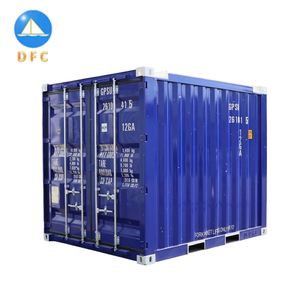
Handling over 200 million metric tons of cargo annually, the Port of Nagoya requires heavy-duty infrastructure capable of enduring aggressive coastal saltwater environments. Our DNV Certified Offshore Reefer Racks and Heavy Tank Transporters feature marine-grade 316 stainless steel enclosures, anti-corrosion C5-M coatings, and wireless remote telemetry, enabling port operators to monitor container core temperatures in real-time as cargo moves from ocean vessel to truck chassis.
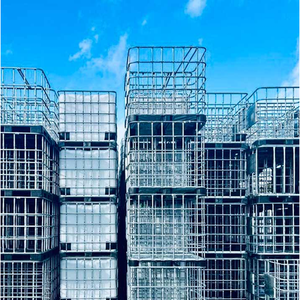
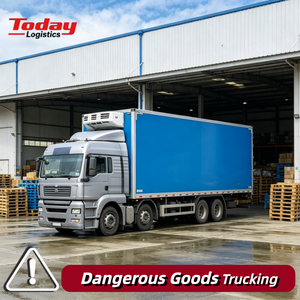
The industrial belt extending from Yokkaichi up through Nagoya processes substantial volumes of Class 3 flammable liquids, Class 8 corrosives, and Class 9 hazardous materials requiring steady temperature control to prevent volatilization. Our specialized IBC Thermal Containers and Class 3/8/9 Hazmat Reefer Units integrate ATEX-certified spark-free refrigeration systems, emergency fluid capture sumps, and automated suppressant systems.
Continuous thermal-bridge-free tongue-and-groove joint systems ensure zero cold loss at panel seams under Nagoya's high ambient summer heat (exceeding 38°C).
Integrated 5G cloud data loggers track internal temperature, relative humidity, door-open alerts, shock sensors, and GPS positioning 24/7/365.
Pre-engineered modular skid systems reduce onsite civil installation times by up to 60%, allowing rapid network expansion across Aichi distribution parks.
The cold storage landscape in Japan is undergoing a fundamental structural transformation driven by legislative shifts, labor shortages, and environmental mandates. Companies procuring equipment for the Nagoya market must align their supply chain investments with these emerging dynamics:
Building on more than 20 years of international supply chain expertise, our enterprise delivers an unmatched combination of manufacturing precision, regulatory expertise, and turnkey service. We do not simply supply hardware; we design and execute resilient, end-to-end cold storage distribution architectures.
Extensive international freight forwarding and hardware dispatch capabilities ensure seamless equipment transport from global manufacturing plants directly to site locations in Aichi, Gifu, and Mie.
Licensed customs specialists oversee all import customs clearance documentation, tariff classifications (HTS codes), and safety certifications mandated by Japan Customs and the Ministry of Land, Infrastructure, Transport and Tourism (MLIT).
Our round-the-clock monitoring desk actively tracks shipment telemetry, ambient temperature stability, and transport milestones, resolving potential supply chain exceptions before they compromise cargo integrity.
Speak with our senior thermal engineers and logistics directors today. Get custom technical blueprints, thermal envelope calculations, and transparent pricing tailored to your Chubu operations within 24 hours.
Get a Quote