Construction Machinery Breakbulk Shipping Supplier & Suppliers for Seattle

Engineering End-to-End Heavy-Lift, Oversized Equipment Forwarding & Maritime Logistics across Puget Sound and the Pacific Northwest Corridor

Heavy Industrial Machinery & Breakbulk Shipping Catalog

From out-of-gauge (OOG) flat rack deployment to hazardous material haulage and heavy-lift tank carriers, explore our specialized freight inventory servicing Seattle ports and global destinations.
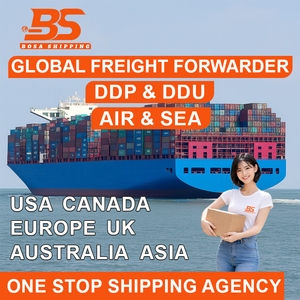
Air Cargo Door to Door Shipping

Air Cargo Door to Door Service From China to Netherlands International Shipping

Priority express air freight forwarding for urgent machinery spare parts, hydraulic assemblies, and high-value project components with full customs brokerage.
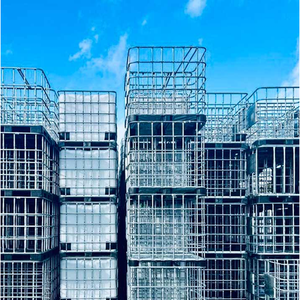
Used IBC Containers Chemical Transportation

Used IBC Containers For Chemical Transportation Equipment Return And Purchase Service Available

Heavy-duty intermediate bulk containers for construction site fluids, lubricants, and chemical additives. Compliant with international maritime safety codes.
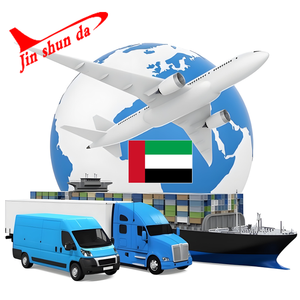
Top-Rated Freight Forwarding Services

Top-Rated Freight Forwarding Services | Affordable Ocean & Air Transport | Bulk Cargo & Hazardous Handling

Integrated multi-modal project logistics handling out-of-gauge excavators, bulldozers, and hazardous battery materials with 24/7 telemetry monitoring.
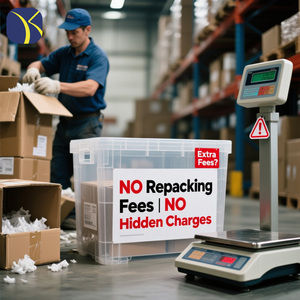
Sea Freight Forwarder China To UK USA Germany

Sea Freight Forwarder China To UK USA Germany Shipping Agent Agente Di Spedizione Italy Transport Chine Vers France

Direct Pacific Rim ocean vessel charters, breakbulk staving, and port-to-port heavy equipment transport dedicated to the Port of Seattle Terminal 5 and 18.
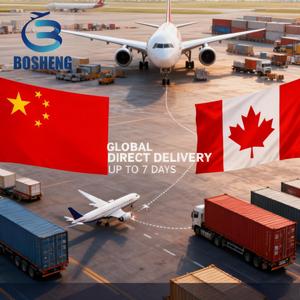
Professional Battery Door to Door Hazardous Materials Shipment

Professional Battery Door to Door China Hazardous Materials Shipment Spain Belgium Sweden Shipping Agent

Specialized Class 9 dangerous goods logistics for electric construction machinery lithium-ion powerpacks and industrial battery storage units.
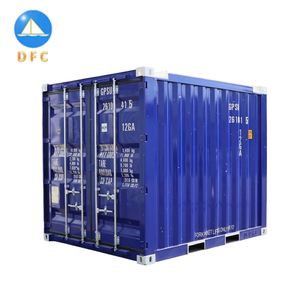
DNV Certified Offshore Flat Rack Container

High Quality Dnv Certified 10ft 20ft 40ft Offshore Flat Rack Shipping Container For Industrial Project Logistics

Heavy-duty structural flat racks engineered for un-containerized heavy excavators, cranes, and oversized piling rigs with reinforced lashing points.
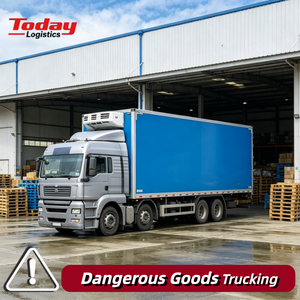
Hazardous Cargo Logistics Class 3 8 9 Freight Forwarder

Cost-Effective Today Logistics Trucking Hazardous Cargo Logistics Class3/8/9 Door Door Dangerous Goods Forwarder

Over-the-road drayage, lowboy heavy-haul trucking, and certified hazmat transport across Washington State, Oregon, and the Canadian border corridor.
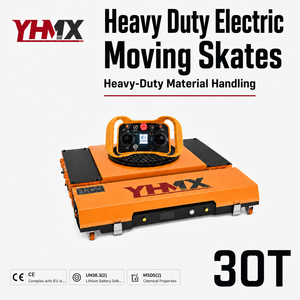
30 Ton Electric Tank Carrier Transporter

New 30 Ton Electric Tank Carrier Heavy Duty Industrial Tank Transporter With Wireless Remote Control

Heavy-lift motorized transport dollies designed for precise maneuverability of massive machinery units, turbines, and structural tanks on site.

500,000+
Tons Lifted to PNW
99.4%
On-Time Berth Clearance
150+
Global Carrier Alliances
24/7
Port & Customs Desk

Whitepaper: Engineering Breakbulk & Heavy-Lift Machinery Logistics for Greater Seattle

Moving heavy construction machinery—such as hydraulic excavators, track-mounted cranes, tunnel boring components, structural steel girders, and wheel loaders—into the Pacific Northwest requires specialized logistics expertise beyond standard containerized freight. As major urban infrastructure projects expand across King County, Pierce County, and the broader Puget Sound region, engineering procurement managers face unprecedented challenges regarding berth congestion, strict Washington State Department of Transportation (WSDOT) oversize permits, and specialized crane operations at the port side.

This industry whitepaper addresses the core technical mechanisms of Construction Machinery Breakbulk Shipping for Seattle, analyzing vessel stowage strategies, rigging engineering, port terminal capabilities (Terminal 5 and Terminal 18 at the Port of Seattle), and compliance with the Northwest Seaport Alliance (NWSA) decarbonization mandates.

Key Technical Insight: Standard Breakbulk vs. RoRo vs. Flat Rack—Selecting the right mode depends on machinery footprint, center of gravity (CoG), and ground clearance. While Roll-on/Roll-off (RoRo) offers smooth transit for wheeled machinery, static or super-heavy tracked equipment (exceeding 45 metric tons) requires tailored ocean breakbulk stowage utilizing heavy-lift tandem crane operations or certified DNV offshore flat racks.

Technical Execution Framework: From Origin Factory to Seattle Jobsite

Executing an international heavy-lift shipment from major Asian or European industrial hubs to Seattle requires a five-stage engineering blueprint:

  • Dimensional Audit & Weight Distribution Analysis: 3D laser scan of machinery dimensions, determining exact center of gravity (CoG) and calculating structural lashing stress points.
  • Vessel Charter & Stowage Planning: Securing multi-purpose heavy-lift vessels (MPPs) equipped with ship's gear (combining crane capacities up to 500 MT) and producing detailed Cargo Securing Manuals (CSM) approved by marine survey authorities.
  • Port Terminal Coordination (Port of Seattle / NWSA): Pre-booking specialized heavy-lift berths at Terminal 5 or Terminal 18, ensuring direct-to-barge or direct-to-rail stevedoring to avoid ground storage bottlenecks.
  • Regulatory Permits & WSDOT Compliance: Securing superload highway transport permits across I-5, I-90, and SR-99 corridors, complete with pilot car escort schedules and bridge weight structural calculations.
  • Last-Mile Offloading & Rigging: Deploying multi-axle hydraulic platform trailers (SPMTs) and mobile gantry cranes for final site positioning in downtown Seattle or regional project sites.

Localized Application Scenarios across Puget Sound & Washington State

Seattle’s topography—defined by water bodies, steep grades, and dense urban infrastructure—demands highly specialized heavy transport solutions. Our breakbulk shipping services directly support the region’s largest civil engineering, commercial development, and industrial marine projects.

Sound Transit Light Rail Expansion

Transporting massive tunnel boring machine (TBM) cutterheads, segment liners, and heavy track-laying machinery from international manufacturers directly to transit corridors in Eastlink, Lynnwood, and Federal Way.

Seattle Waterfront & Seawall Modernization

Delivering heavy pile-driving rigs, crawler cranes, and pre-cast concrete structural units to the Alaskan Way waterfront zone via specialized breakbulk barges and low-draft heavy-lift vessels.

Bellevue & South Lake Union High-Rise Boom

Mobilizing high-capacity tower crane assemblies, foundation drilling rigs, and heavy earthmoving equipment into constrained urban jobsites requiring strict night-move WSDOT permits and off-peak port drayage.

Localized Trends Shaping Pacific Northwest Breakbulk Logistics

Logistics operators and procurement leaders in Washington State must navigate evolving environmental, regulatory, and economic dynamics:

1. The Northwest Seaport Alliance (NWSA) Clean Truck & Decarbonization Mandates

The joint port authority of Seattle and Tacoma is driving aggressive zero-emission goals. Breakbulk drayage providers must now utilize clean diesel or zero-emission heavy-haul tractors to enter Terminal 5 and Terminal 18. Our fleet meets all NWSA Clean Truck Program standards, protecting your supply chain from environmental non-compliance delays.

2. Shift Toward Pre-Assembled Modular Infrastructure

To reduce onsite labor costs in Seattle's competitive construction market, contractors increasingly order pre-assembled structural modules and pre-commissioned heavy equipment units from overseas. This trend increases average unit weight and volume, moving cargo out of standard container shipping and directly into specialized breakbulk and project vessel charters.

3. Jones Act Compliance & Inland Waterway Barging

For machinery destined for Alaskan infrastructure projects or Puget Sound island jobsites, seamless transfer between ocean-going breakbulk vessels and Jones Act-compliant feeder barges in Elliott Bay is critical. Our team coordinates ship-to-barge transfers without double-handling risks.

Why Enterprise Shippers Partner With Us in Seattle

Combining national logistics strength with local Pacific Northwest operational presence, we deliver unrivaled reliability for heavy equipment importers and construction firms.

24/7 Port & Operations Monitoring

Direct EDI integration with Port of Seattle terminals, real-time vessel tracking, and round-the-clock dispatch handling emergency project machinery imports and spare parts clearance.

Licensed US Customs Brokerage On-Site

In-house CBP-licensed customs brokers specializing in HTS Chapter 84 machinery classifications, Tariff duty minimization, EPA engine emissions compliance (Tier 4 Final), and ISF filings.

Class 3 / 8 / 9 Hazardous Material Certification

Certified handlers for dangerous goods, including high-capacity lithium battery packs for electric machinery, hydraulic oils, compressed fuel systems, and site chemicals.

End-to-End Heavy Drayage Fleet

Access to multi-axle heavy haul lowboys, RGNs (Removable Goosenecks), step-decks, and specialized SPMTs capable of moving superloads across Washington State corridors.

Frequently Asked Questions: Seattle Machinery Breakbulk Shipping

Q: Which terminal at the Port of Seattle handles heavy machinery breakbulk cargo?
Terminal 5 and Terminal 18 are the primary facilities within the Port of Seattle equipped for heavy-lift and breakbulk operations. Terminal 5 features modernized berth depths and heavy-load dock capacities suitable for tandem ship-to-shore crane offloading, direct vessel-to-rail transfer, and heavy-haul truck staging.
Q: How are WSDOT oversize/overweight permits handled for heavy equipment leaving the port?
Our specialized heavy haul team submits route analysis reports directly to the Washington State Department of Transportation (WSDOT) and the City of Seattle Department of Transportation (SDOT). We manage axle weight distributions, coordinate certified pilot escort vehicles, schedule night-move windows across urban bridges, and secure annual or single-trip superload permits.
Q: What is the difference between Breakbulk, RoRo, and Flat Rack shipping for construction equipment?
Roll-on/Roll-off (RoRo) is best for self-propelled or towable wheeled equipment (loaders, dump trucks). Flat Racks (20ft/40ft/Offshore DNV) suit machinery that fits within container vessel footprint constraints but exceeds height/width limits. Pure Breakbulk involves stowing static or ultra-heavy machinery directly into the hold or on the deck of multi-purpose vessels, secured with customized dunnage and heavy steel lashing.
Q: What customs documentation is required for importing heavy machinery into Seattle?
Key requirements include the Commercial Invoice, Packing List, Bill of Lading, Importer Security Filing (ISF), EPA Form 3520-21 (verifying engine emissions compliance, e.g., Tier 4 Final), and DOT Form HS-7 if the machinery is highway-capable. Our licensed customs brokers manage all filings prior to vessel arrival to prevent demurrage.
Q: Can you manage onward transport from Seattle to Alaska or Western Canada?
Yes. We provide complete transloading and onward forwarding via scheduled ocean barge services to Anchorage, Dutch Harbor, and Southeast Alaska, as well as bonded heavy-haul trucking across the Blaine port of entry into British Columbia and Western Canada.
Q: How is marine cargo insurance calculated for high-value breakbulk machinery?
Marine cargo insurance is underwritten based on the CIF value (Cost, Insurance, Freight) plus a percentage (typically 10%). Because breakbulk cargo faces unique handling risks during crane loading and ocean transit, we provide specialized All-Risk Heavy-Lift & Project Cargo Policy coverage including hook risk and door-to-door transit protection.

Request a Technical Shipping Proposal for Seattle Project Cargo

Consult with our Pacific Northwest heavy-lift logistics engineers. Get instant rate quotes, route feasibility studies, and breakbulk vessel schedules tailored to your project timeline.