High-precision international transport, hazardous goods clearance, specialized container handling, and customized customs brokerage for cross-border Turkish trade networks.
As the Republic of Turkey solidifies its position as a global manufacturing hub connecting Europe, Asia, and the Middle East, original equipment manufacturers (OEMs) face a double-edged sword: unprecedented market access paired with strict regulatory and customs compliance standards. Under the Turkish Customs Code No. 4458 and aligned with EU-Turkey Customs Union protocols, exporting custom OEM machinery, chemical transport vessels, offshore equipment, and advanced automotive components to Turkey requires specialized customs brokerage expertise.
This comprehensive technical analysis explores the critical customs clearance mechanics, compliance frameworks, localized application scenarios, and risk mitigation strategies essential for global suppliers and exporters trading with Turkish industrial enterprises in key economic hubs such as Istanbul, Izmir, Bursa, Kocaeli, and Mersin.
Turkey’s strategic position as an industrial powerhouse relies heavily on seamless cross-border supply chains. From automotive manufacturing clusters in Bursa and Kocaeli to heavy chemical and energy processing complexes along the Mediterranean in Mersin, Turkish factories import billions of dollars in specialized OEM components annually. However, customs clearance in Turkey is governed by sophisticated digital surveillance networks, stringent tariff classification systems, and mandatory pre-shipment documentation audits.
To successfully navigate export customs declaration into Turkey, international suppliers must look beyond basic freight forwarding. They require an integrated customs brokerage partner capable of orchestrating full compliance with the Ministry of Trade (T.C. Ticaret Bakanlığı), ensuring that every tariff line item, certificate of origin, and safety standard inspection is verified prior to cargo dispatch.
SEO Information Gain Key Insight: Unlike standard EU imports, exporting OEM goods to Turkey requires dual compliance with both European technical standards (such as CE marking and ATR.1 Movement Certificates) and localized Turkish regulatory mandates (such as TAREKS risk assessment filings and additional duty surcharges under İGV regulations).
Executing an export customs declaration for Turkey requires granular technical knowledge of local import protocols. Failure to execute declarations accurately leads to costly port demurrage, red-channel customs inspections, severe administrative fines under Article 235 of Turkish Customs Law, or potential cargo seizure.
TAREKS (Dış Ticarette Risk Esaslı Kontrol Sistemi) is Turkey's web-based, risk-based trade control system. It evaluates imported machinery, electrical components, personal protective gear, and industrial hardware against safety, health, and quality standards (TSE compliance). Submitting accurate electronic filings to TAREKS prior to vessel arrival is essential to prevent cargo blockage at port gates.
Under the EU-Turkey Customs Union agreement, industrial goods originating from the EU receive preferential duty-free treatment when accompanied by an A.TR Movement Certificate. For non-EU origins or goods governed by Free Trade Agreements (FTAs), an EUR.1 or EUR-MED Certificate is mandatory to establish preferential tariff eligibility under Turkish GTİP schedules.
Customs declarations in Turkey are filed digitally through the BİLGE system (Bilgisayarlı Gümrük Etkinlikleri). Licensed customs brokers must submit detailed 12-digit GTİP codes (Gümrük Tarife İstatistik Pozisyonu), commercial invoices, packing lists, and bill of lading (B/L) information, assigning shipments to Red (Physical Check), Yellow (Document Check), or Blue/Green (Direct Release) channels.
Custom OEM export declarations must be tailored to the specific operational needs of localized Turkish industries. The requirements for importing industrial machinery into an Organized Industrial Zone (OSB) differ significantly from importing dangerous goods or chemical containers through major maritime ports.
| Turkish Industrial Hub | Primary OEM Product Focus | Key Clearance Port / Gateway | Critical Customs Protocol | Brokerage Strategy |
|---|---|---|---|---|
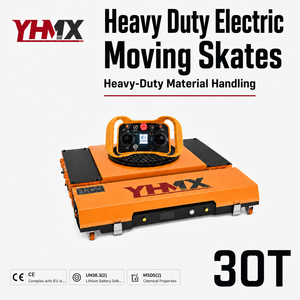
| Bursa & Kocaeli Cluster | Automotive Parts, Lithium Batteries & Remote Electric Carriers | Gemlik Port / Haydarpaşa Port | TAREKS Technical Inspection & Battery Hazardous Declaration | Pre-audited HS code classification to align with OEM assembly line schedules. |
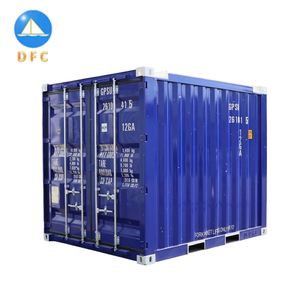
| Mersin & Adana Axis | Used IBC Chemical Containers & Industrial Transporters | Port of Mersin (MIP) | Environmental Waste Control & Ministry of Environment Approvals | Fast-track hazardous waste/reusable container entry licenses. |
| Istanbul & Gebze Zone | Air Freight Components & High-Tech Machinery | Istanbul Airport (IST) / Sabiha Gökçen (SAW) | Express Customs Release & Bonded Warehousing (Antrepo) | 24/7 airside brokerage filing for time-critical OEM line-stop prevention. |
| Izmir & Aegean Coast | Offshore Flat Rack Containers & Heavy Project Cargo | Alsancak / Nemrut Bay / Aliağa | DNV 2.7-1 Structural Certification & Heavy Lift Permits | Out-of-gauge (OOG) customs manifest coordination and road transport clearance. |
To provide actionable information gain for supply chain directors, let us examine the operational protocols required when exporting specialized OEM products—such as those highlighted in our product portfolio—to Turkish buyers:
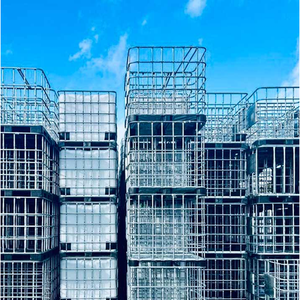
When exporting liquid chemical handling systems or Used IBC Containers to Turkey, importers must satisfy stringent environmental regulations. The Turkish Ministry of Environment, Urbanization and Climate Change monitors cross-border chemical equipment movement under waste management directives. Customs declarations must specify whether containers enter under temporary importation (Geçici İthalat) regimes or permanent clearance, accompanied by cleaning certificates and leak-proof safety documentation.
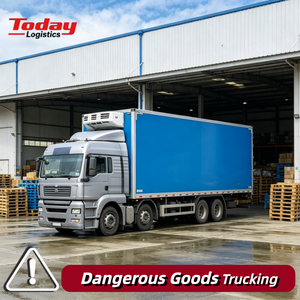
Turkey strictly enforces ADR regulations (European Agreement concerning the International Carriage of Dangerous Goods by Road) and IMDG Code requirements for ocean shipments. Battery door-to-door deliveries (including lithium-ion power packs for industrial vehicles) require MSDS (Material Safety Data Sheet) translation into Turkish, UN-approved packaging certification, and specialized hazardous cargo customs declarations at gateway terminals like Ambarlı or Mersin.
Industrial project cargo, such as DNV 2.7-1 certified flat-rack shipping containers destined for Turkish offshore energy installations or shipyards in Tuzla, must undergo physical structural validation. Customs brokerage teams must coordinate with accredited inspection bodies to verify certificate numbers in the BİLGE system before customs authorities issue import release notes.
Navigating the Turkish import market requires staying ahead of ongoing regulatory updates and macroeconomic shifts:
With over two decades of dedicated international freight forwarding, bonded warehousing, and licensed customs brokerage experience, our agency serves as the direct link between global OEM exporters and Turkish importers. We operate 24/7 dedicated trade compliance desks positioned at major transport nodes, utilizing real-time tracking, proactive document auditing, and deep familiarity with Turkish Customs Law No. 4458 to deliver 100% compliant, friction-free international logistics solutions.
Clear answers to common regulatory, logistical, and compliance questions from buyers and suppliers shipping custom OEM products into Turkey.
Connect with our senior customs brokerage consultants and trade compliance specialists. Ensure 100% regulatory compliance, zero line-stop delays, and seamless cross-border freight execution.
