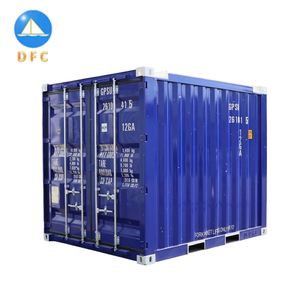
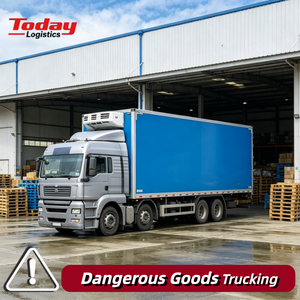
Explore our specialized fleet of temperature-controlled containers, heavy-duty industrial transport units, and hazardous cargo logistics solutions engineered specifically for international trade routes connecting global ports with Brazilian hubs like Santos, Paranaguá, and Rio de Janeiro.
Navigating the supply chain landscape for temperature-sensitive cargo into and out of Brazil requires an advanced understanding of tropical thermal stress, regional transport bottlenecks, and stringent statutory regulations. As a specialized OEM cold chain logistics provider and exporter, we design custom-engineered cold chain infrastructure, active reefer shipping frameworks, and passive packaging solutions configured specifically to overcome the climate and operational challenges of the Brazilian market.
Brazil represents South America’s largest consumer and producer market for perishable goods, ranging from high-value biopharmaceuticals and active pharmaceutical ingredients (APIs) entering via São Paulo (Guarulhos International Airport - GRU) to massive exports of frozen proteins, citrus concentrates, and fresh produce flowing through the Port of Santos and Paranaguá. Maintaining strict thermal continuity across these intermodal pathways demands a carrier-grade, sensor-integrated logistics partner.
| Temperature Class | Operating Range | Primary Perishable Commodities | Packaging & Refrigeration Technology | Brazil Regulatory Overseer |
|---|---|---|---|---|
| Ultra-Deep Freeze | -80°C to -40°C | Biologics, Cell Lines, mRNA Vaccines, Specialty Chemicals | Dry Ice VVIP, Liquid Nitrogen (LN2) Dewars, Vacuum Insulation Panels | ANVISA (RDC 304/430) |
| Frozen (Deep Freeze) | -25°C to -18°C | Poultry, Beef, Seafood, Quick-Frozen Fruits (Açaí, Pulp) | Active Reefers (R-134a / R-404A), Diesel Electric Hybrid Generator Sets | MAPA (Vigiagro) |
| Chilled / Refrigerated | +2°C to +8°C | Pharmaceuticals, Insulins, Dairy, Fresh Meat Cuts, Yeasts | PCM Cool Packs, VIP Active Reefer Units, Automated Ventilation Control | ANVISA / MAPA |
| Controlled Ambient | +15°C to +25°C | Confectionery, Wine, Processed Foods, Specialty Cosmetics | Thermal Blankets, Insulated Container Liners, Humidity Control Fans | ANVISA / MAPA |
To optimize supply chain performance, OEM cold chain logistics must be tuned to the specific environmental and logistical characteristics of Brazil’s primary economic infrastructure nodes. Our customized exporter logistics operations target five key localized scenarios:
Handling over 30% of Brazil's total foreign trade, Santos suffers from intense humidity and seasonal temperature spikes exceeding 38°C. Our OEM solution deploys smart gensets with autonomous fuel reserves and humidity-regulated marine reefer containers designed to prevent condensation damage during customs holds.
High-value biopharmaceuticals arriving at Guarulhos (GRU) or Viracopos (VCP) airports require immediate transfer to ANVISA-certified temperature-controlled bonded warehouses. We provide tarmac passive thermal protection blankets and active reefer truck transfers operating between 2°C and 8°C.
Transporting temperature-sensitive industrial chemicals, resins, and high-tech electronic components into the equatorial Amazon basin requires heavy-duty active reefer trucks and barge integration with continuous satellite monitoring against extreme tropical heat and river transit delays.
Exporters and importers serving the Brazilian market face one of the world's most intricate regulatory systems. Customs clearance (Desembaraço Aduaneiro) via the SISCOMEX portal is tightly linked with physical health and agricultural inspections. Failing to maintain verifiable temperature logs during transit results in immediate shipment quarantine or destruction.
Agência Nacional de Vigilância Sanitária (ANVISA) enforces strict Good Distribution Practices (GDP) under RDC 304/430 for pharmaceutical cold chains. Our OEM logistics services incorporate fully calibrated, NIST-traceable temperature data loggers that generate tamper-proof PDF reports automatically upon arrival at Brazilian customs control points.
Ministério da Agricultura e Pecuária (MAPA) governs agricultural perishables, animal products, and plant imports. Our specialized reefer packaging and container sanitization protocols adhere strictly to Vigiagro standards, preventing biological contamination delays during mandatory inspections at port gate terminals.
As global market dynamics evolve, Brazil’s cold chain industry is undergoing a structural transition toward digitizing temperature tracking, adopting green refrigeration systems, and decentralizing distribution networks beyond São Paulo and Rio de Janeiro.
Modern cold chains into South America are moving away from passive memory-stick data loggers toward continuous cellular/satellite IoT gateways. Real-time visibility enables supply chain engineers to detect ambient temperature spikes or cooling unit battery failures remotely, empowering logistics operators to initiate emergency maintenance at transit ports before product spoilage occurs.
In accordance with the Kigali Amendment ratified by Brazil, international importers and exporters are transitioning away from high Global Warming Potential (GWP) hydrofluorocarbons (HFCs). Our OEM custom equipment integrates natural refrigerants such as CO2 (R-744) and hydrofluoroolefins (HFOs), reducing environmental footprint while boosting energy efficiency across long-haul ocean routes.
While São Paulo remains the commercial epicenter, secondary cities such as Belo Horizonte, Curitiba, and Salvador are building specialized cold chain storage infrastructure. Our door-to-door multi-modal network ensures direct connection from international manufacturing sites to these emerging regional distribution centers without breaking the cold chain.
Partnering with us grants Brazilian importers and global exporters access to an integrated logistics ecosystem backed by decades of international freight forwarding mastery. Drawing upon our core corporate capabilities, we deliver exceptional reliability across every link of the cold supply chain:
Our logistics control tower operates round-the-clock, tracking temperature parameters, vessel GPS locations, flight updates, and port gate statuses in real time to proactively resolve potential delay points.
With in-house licensed customs brokers specializing in Brazilian trade regulations, we eliminate administrative bottlenecks, manage Siscomex filings, and accelerate ANVISA/MAPA releases.
From origin factory pickup, air cargo space allocation, and ocean reefer booking to last-mile refrigerated drayage in Brazil, we manage the entire chain under a single Master Bill of Lading (MBL).
Consult with our OEM cold chain engineering team today to design a customized, ANVISA-compliant logistics solution tailored to your perishables, temperature requirements, and trade volumes.
Contact Us