Factory-Direct UN-Certified Packaging, ISO Tanks, Hazardous Material Containers, and Door-to-Door Logistics Solutions Configured for Philippine Import Standards
Navigating the complex maritime supply chains of the Philippine archipelago requires an unyielding adherence to international maritime safety standards and localized regulatory strictures. As an established manufacturer and global logistics provider specializing in IMO Dangerous Goods (DG) logistics, our engineering and supply chain framework is custom-designed to resolve the acute pain points faced by industrial importers, chemical manufacturers, mining conglomerates, and electronics fabricators across Luzon, Visayas, and Mindanao.
Shipping hazardous materials into major Philippine entry points—including the Port of Manila (South Harbor and Manila International Container Terminal - MICT), Batangas International Port, Subic Bay, Cebu International Port, and Mindanao International Container Terminal (MICT Tagoloan)—demands strict compliance with the International Maritime Dangerous Goods (IMDG) Code Amendment 40-20 alongside local enforcement mandates set by the Philippine Coast Guard (PCG), the Philippine Ports Authority (PPA), and the Department of Environment and Natural Resources - Environmental Management Bureau (DENR-EMB).
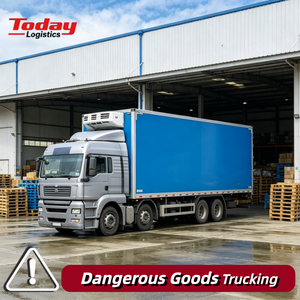
Every dangerous goods shipment handled through our network undergoes a rigorous 5-stage hazard review protocol. This begins at our manufacturing facilities with UN certified pressure vessels and packaging, extends through automated Dangerous Goods Declaration (DGD) generation, and concludes with licensed HazMat trucking vectors navigating Philippine inland routes under strict Bureau of Fire Protection (BFP) escort guidelines when required.
The table below highlights our technical manufacturing and logistics capabilities for the primary dangerous goods classes imported into the Philippines market:
| IMO DG Class | Primary Cargo Types | UN Packaging Standard | Philippine Regulatory Permit | Handling Port Vector |
|---|---|---|---|---|
| Class 2.1 / 2.2 | Compressed Refrigerants, Liquefied Petroleum, Industrial Oxygen/Acetylene | UN ISO T50 Gas Tank Containers, Heavy-Wall Pressure Cylinders | DENR-EMB CCO, DOE Gas Import Clearance | Batangas Port / Manila MICT Dangerous Yard |
| Class 3 | Flammable Solvents, Paints, Toluene, Industrial Ethanol, Resins | UN 31HA1 Composite IBCs, UN 1A1 Steel Drums, ISO T11 Tanks | BFP Storage & Transport Permit, DENR Import Clearance | MICT South Harbor, Subic Freeport, Cebu Port |
| Class 6.1 | Toxic Chemicals, Pesticides, Sodium Cyanide for Mining Operations | UN 1H1 HDPE Drums, UN-Approved Solid Steel Containers | DENR CCO (Cyanide & Heavy Metals), EMB Chemical Control | Davao Sasa Port, CDO MICT, General Santos |
| Class 8 | Corrosive Acids (Sulfuric, Nitric), Caustic Soda, Etching Solutions | UN 31H2 Rigid Plastics, Lined ISO T14 Acid Containers | DENR-EMB Chemical Control Order, PDEA Licensing (if restricted) | Batangas Dry Bulk/Liquid Terminal, Manila Port |
| Class 9 | Lithium-Ion Batteries (UN 3480/3481), EV Modules, Dry Ice, Environmentally Hazardous | UN 4G Fiberboard Boxes w/ Thermal Insulation, DNV Offshore Racks | BOI EV Import Authorization, PCG Dangerous Goods Manifest | Manila Airport (MNL Air Cargo), MICT, Batangas |
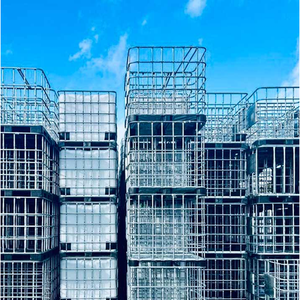
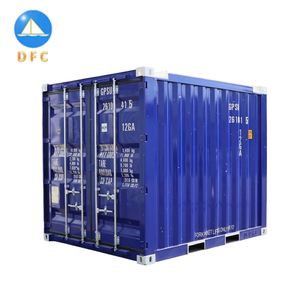
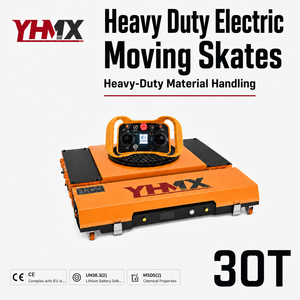
By operating our own manufacturing units for chemical containment equipment—such as 1000L UN IBC containers and 30-Ton remote-operated electric tank carriers—we guarantee structural integrity under tropical heat and maritime humidity conditions common during transshipment through the South China Sea and Philippine Sea.
Importing dangerous goods into the Philippines involves an intricate regulatory web distinct from other ASEAN trade zones. Bureaucratic bottlenecks routinely occur when importers fail to align their origin shipping documentation with local Philippine bureau prerequisites. Our localized logistics service integrates full compliance management directly into the manufacturing and booking phase.
1. DENR-EMB Chemical Control Orders (CCO) & Priority Chemicals List (PCL): Chemicals such as Cyanide, Mercury, Asbestos, Polychlorinated Biphenyls (PCBs), Ozone Depleting Substances (ODS), and Lead compounds require an official Import Clearance Certificate (ICC) prior to vessel departure from the port of origin. Our compliance team verifies your CAS registry numbers and MSDS sheets to obtain pre-shipment clearance.
2. Philippine Ports Authority (PPA) AO 02-89 & Dangerous Cargo Handling Rules: PPA enforces strict residence time limits for Class 2, 3, and 8 containers resting inside container yards at Manila South Harbor and MICT. Containers carrying highly volatile materials are designated as "Direct Delivery" or must be transferred immediately to off-dock accredited dangerous goods depot facilities in Metro Manila or Laguna. We pre-arrange chassis equipment and drayage trucks to ensure immediate offloading, preventing catastrophic container demurrage charges ($150–$300/day/TEU).
3. Philippine Coast Guard (PCG) Memorandum Circular Guidelines: For inter-island feeder transport (e.g., shipping hazardous chemicals from Luzon hub ports to Visayas or Mindanao processing plants), PCG enforces strict vessel segregation tables and fire suppression audits. We supply certified DG manifests and deck stowage plans compliant with local RoRo and breakbulk feeder vessels.
Our licensed customs brokers and HazMat specialists clear DENR, PPA, and BOC permits in advance.
Dangerous Goods logistics requirements vary dramatically across the economic corridors of the Philippines. We tailor specialized equipment manufacturing and transport routing to the unique demands of each geographic hub:
Industry: Semiconductor Manufacturing, Electronics Assembly, Auto Parts & Industrial Paints.
Solution: Daily temperature-controlled Class 3 & Class 8 supply runs. UN 31HA1 IBC containers and UN-certified drums delivered straight to Economic Zones (PEZA) in Laguna Technopark, First Philippine Industrial Park (FPIP), and Cavite Economic Zone via specialized hazmat chassis.
Industry: Nickel & Gold Mining, Power Generation, Agricultural Chemical Processing.
Solution: Heavy-duty logistics utilizing DNV 2.7-1 certified offshore flat rack containers and 30-ton electric tank carriers. Safe transit of Class 6.1 cyanide reagents, bulk acid tanks, and heavy mining machinery from Davao Sasa Port and CDO Tagoloan directly to remote mining sites.
Industry: Maritime Repair, Water Treatment Plants, Food & Beverage Flavoring Solvents.
Solution: Inter-island dangerous goods feeder logistics. UN-approved ISO tanks carrying food-grade solvents, Class 2 compressed gas cylinders, and Class 8 water treatment chemicals transferred via certified inter-island barges with complete PPA clearance.
As the Philippines accelerates its national industrialization and infrastructure modernization programs, the volume of hazardous materials moving through its trade ports is expanding rapidly. Industry buyers must adapt to four pivotal macro shifts:
1. Surge in Renewable Energy Storage Systems (BESS) & Lithium Battery Imports: Driven by Department of Energy (DOE) mandates to expand solar and wind power farms in Luzon and Visayas, massive utility-scale Energy Storage Systems containing high-density Lithium-ion batteries (UN 3480/3481) are entering the country. These require custom-built fire-rated containers, thermal runaway mitigation barriers, and specialized Class 9 handling protocols.
2. Digitization of Bureau of Customs E2M (Electronic-to-Mobile) & Single Window Systems: Philippine Customs is enforcing mandatory electronic pre-lodgment of Dangerous Goods Manifests at least 48 hours prior to vessel arrival. Incomplete MSDS data or incorrect UN numbers trigger automatic system freezes, resulting in severe terminal penalties. Our automated documentation system connects directly with origin factories to upload clean data ahead of vessel arrival.
3. Transition Toward Sustainable & Reusable UN Packaging (Circular HazMat Equipment): Philippine environmental regulations under RA 9003 and DENR guidelines are forcing chemical importers to phase out single-use hazardous plastic drums. Our manufacture-and-return service for heavy-duty UN 1000L IBC containers allows Philippine buyers to return emptied containers back to origin factories in China or ASEAN hubs seamlessly.
4. Port Expansion Beyond Metro Manila: Due to chronic congestion in Metro Manila roads and truck ban windows (MMDA regulations), major chemical importers are shifting trade routes directly to Batangas Port and Subic Port. We offer dedicated DG berths and off-dock staging facilities in both Batangas and Subic to bypass Metro Manila traffic restrictions entirely.
Choosing a combined manufacturer and logistics controller provides unparalleled control over safety, speed, and cost when shipping hazardous materials to the Philippines. Here is why global chemical suppliers and Philippine industrial leaders partner with us:
We manufacture UN-certified chemical containers, steel drums, and ISO tank carriers in our own production lines. This ensures every container matches IMDG pressure and chemical compatibility ratings before cargo is loaded.
Our dedicated operations team works 24/7 monitoring GPS tracking, container core temperatures, and pressure levels across ocean liners, port berths, and Philippine highway drayage trucks.
With accredited customs brokers stationed at MICT, South Harbor, Batangas, and Davao, we resolve paperwork discrepancies on site, ensuring zero delays with DENR, PPA, and Bureau of Customs inspectors.
Connect directly with our senior HazMat engineers and Philippine freight forwarding specialists for a competitive, whitepaper-backed quotation within 2 hours.
