Direct factory-to-market logistics services, hazardous goods handlers, and specialized freight equipment engineered for the Costa Rica and Central American trade lanes.
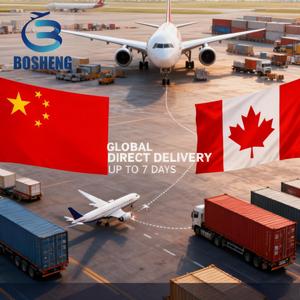
As Costa Rica consolidates its position as Central America’s premier technological, medical device manufacturing, and e-commerce consumer hub, global enterprises require highly structured freight forwarding pathways. Transporting finished commercial goods, electronic components, and industrial machinery from Asian, North American, and European manufacturing centers into the Costa Rican market demands an intimate knowledge of maritime gateways, customs protocols, and multimodal hinterland connections.
Handling over 80% of Costa Rica's ocean container traffic, the APM Terminals hub at Moín offers high-efficiency berth productivity for direct liner services arriving from Transatlantic and Asia-Pacific transshipment points via the Panama Canal.
Serving direct Pacific maritime routes from Asian origins (Ningbo, Shanghai, Shenzhen), Puerto Caldera serves as the critical entry point for bulk commodities, automotive units, and heavy industrial machinery bound for the Greater Metropolitan Area (GAM).
Juan Santamaría International Airport (SJO) in Alajuela forms the backbone for high-value e-commerce parcels, pharmaceutical shipments, and urgent micro-electronics components requiring express customs clearance and same-day warehouse dispatch.
Tailored supply chain execution models designed for unique Costa Rican economic sectors and geographic logistics corridors.
High-density consumer e-commerce items imported via air or ocean LCL are routed to bonded warehouses in San José, Heredia, and Cartago. Integrated last-mile parcel logistics ensure rapid customs clearance under DDP (Delivered Duty Paid) terms, reducing shopping cart abandonment for international retailers.
Costa Rica’s Free Zones (e.g., Coyol Free Zone, Global Park, Zeta Free Zone) require strict regulatory compliance. We provide specialized transit under the Inward Processing Regime, enabling factories to import raw materials, cleanroom equipment, and micro-components duty-free with expedited customs processing.
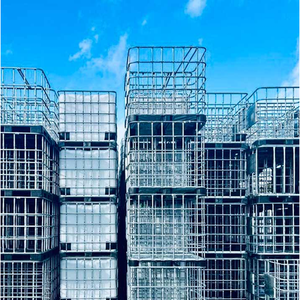
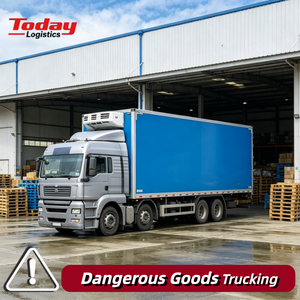
With Costa Rica accelerating green energy initiatives, transporting Class 9 Dangerous Goods (Lithium-ion batteries, energy storage systems) and Class 3/8 industrial chemicals demands certified packaging, UN-approved IBC containers, dangerous goods declarations (DGD), and certified temperature-controlled reefer containers.
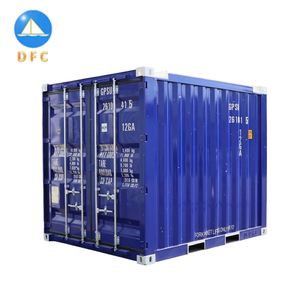
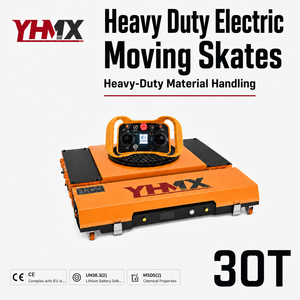
Infrastructure developments along Costa Rica’s coastal zones and energy grid expansions mandate heavy-lift transport capabilities. Utilizing DNV 2.7-1 certified offshore flat rack containers and 30-Ton wireless remote-controlled electric tank carriers, manufacturers can safely deliver structural steel, heavy turbines, and modular chemical tanks to remote job sites without risking equipment structural failure or local environmental non-compliance.
Our freight logistics framework integrates heavy-duty flat-bed trucking, hydraulic axle trailers, and specialized port drayage directly from the terminal gates of Puerto Caldera and Moín to inland manufacturing plants across Alajuela and Puntarenas.
Evaluate transit times, customs protocols, cost structures, and cargo suitability for cross-border freight entering Costa Rica.
| Logistics Mode | Primary Entry Gateway | Average Transit Time | Customs System | Ideal Cargo Application | Incoterm Flexibility |
|---|---|---|---|---|---|
| Express Air Freight | Juan Santamaría Int'l (SJO) | 3 – 5 Days | TICA Expedited / Courier | E-commerce parcels, electronics, urgent spares | DDP, DAP, CPT |
| Ocean Freight FCL | Puerto Caldera / Moín | 18 – 26 Days | TICA Standard Import | High-volume retail goods, raw materials, machinery | FOB, CIF, DDP |
| Ocean Freight LCL | Puerto Moín (APM Terminals) | 22 – 30 Days | Consolidated Clearance | Mid-sized e-commerce stock, trial product orders | FOB, CFR, DDP |
| Hazmat & Battery Freight | Moín / San José Air Hub | Varies by Mode | MINAE / Health Ministry Permit | Lithium batteries, chemical IBC tanks, Class 3/8/9 | DAP, DDP |
| Project & Flat Rack Cargo | Puerto Caldera Bulk Terminal | 25 – 35 Days | Special Project Inspection | Over-dimensional machinery, heavy tank units, steel | FOB, FAS, DDP |
Navigating international trade into Costa Rica requires alignment with evolving regional economic shifts, customs automation, and environmental governance frameworks.
Costa Rica’s Ministry of Finance (Ministerio de Hacienda) continues upgrading its digital customs platform, TICA (Tecnología de Información para el Control Aduanero). Real-time transmission of electronic commercial invoices, digital bills of lading (B/L), and automated tariff classification are now mandatory for avoiding customs hold-overs at port checkpoints.
The Dominican Republic-Central America Free Trade Agreement (CAFTA-DR) continues to drive manufacturing nearshoring. Global brands are utilizing Costa Rica as a dual manufacturing and regional distribution center, importing raw inputs from Asia, assembling in Free Zones, and exporting duty-free across North and Central America.
In accordance with Costa Rica’s National Decarbonization Plan, shippers face increasing pressure to adopt green logistics solutions. The deployment of zero-emission electric tank transporters, eco-friendly warehousing practices, and carbon-offset ocean freight lanes are becoming critical decision criteria for local buyers.
We combine global manufacturing infrastructure, specialized dangerous goods handling, and local Costa Rican customs expertise to guarantee seamless supply chain execution.
Our licensed customs specialists manage full documentation workflows under Costa Rican law. From HS Code verification and tariff duty calculation to handling permits with MINAE (Ministry of Environment and Energy) and the Ministry of Health, we remove regulatory bottlenecks.
Equipped with specialized equipment and certified hazardous cargo personnel, we safely move dangerous goods, energy storage systems, industrial solvents, and chemicals in compliant UN-rated IBC containers and DNV offshore flat racks.
Our operational infrastructure works continuously across time zones. Shippers receive automated status milestones, GPS vehicle tracking on land transit routes, and proactive exception management from factory floor departure to final doorstep delivery.
Essential guidance for B2B procurement managers, e-commerce sellers, and enterprise logistics planners targeting Costa Rica.
Standard import documentation for Costa Rica includes the Commercial Invoice (Factura Comercial) in Spanish or English, Bill of Lading (B/L) or Air Waybill (AWB), Packing List, Certificate of Origin (to claim preferential tariff rates under trade agreements), and the TICA Customs Declaration (DUCA - Declaración Única Centroamericana). Specialized products like medical devices or chemicals require Ministry of Health or MINAE authorization prior to vessel arrival.
Duties are calculated on the CIF (Cost, Insurance, and Freight) value of the shipment in USD. The tax structure generally comprises the Import Tariff (DAI - Derecho Arancelario a la Importación, ranging from 0% to 15%), the Value Added Tax (IVA - Impuesto sobre el Valor Agregado, standard 13%), and selective consumption taxes (ISC) depending on the specific HS Code classification. Goods imported under Free Trade Zone (FTZ) regimes are exempt from these taxes.
Direct ocean freight from primary Asian hubs (Shanghai, Ningbo, Shenzhen) to Puerto Caldera (Pacific coast) takes approximately 18 to 24 days. Routes calling at Puerto Moín via transshipment through the Panama Canal take 22 to 28 days. Express air freight from China to Juan Santamaría Airport (SJO) typically delivers within 3 to 5 business days including customs release.
Yes. We specialize in dangerous goods (DG) logistics including Class 3 flammable liquids, Class 8 corrosives, and Class 9 lithium batteries. We provide UN-certified packaging, reconditioned and new IBC containers, certified Dangerous Goods Declarations (DGD), and refrigerated reefer containers equipped with real-time temperature tracking to satisfy both maritime IMDG and Costa Rican environmental safety requirements.
Under DAP (Delivered at Place), the seller is responsible for shipping the goods to the designated Costa Rican address, but the buyer is responsible for customs clearance, paying import duties, and settling local taxes. Under DDP (Delivered Duty Paid), our freight forwarding team manages the entire end-to-end process: paying duties, cleared through TICA customs, and delivering directly to the buyer's warehouse with no unexpected local fees.
Companies operating within Costa Rica’s Free Trade Zones enjoy 100% exemption from import duties on raw materials, machinery, and equipment, as well as corporate income tax exemptions. Our logistics network provides bonded transit solutions (Tránsito Aduanero) that move containerized freight directly from port arrival terminals to FTZ parks like Coyol or Global Park without triggering import tax assessments.
Connect with our senior freight forwarding directors to receive custom rate quotes, technical equipment specifications, and comprehensive customs compliance strategies for your cargo.
